
Tramp Iron vs. Fine Iron: An Industrial Magnetic Separator Explainer for Metallurgy & Minerals
Tramp Iron vs. Fine Iron: An Industrial Magnetic Separator Explainer for Metallurgy & Minerals
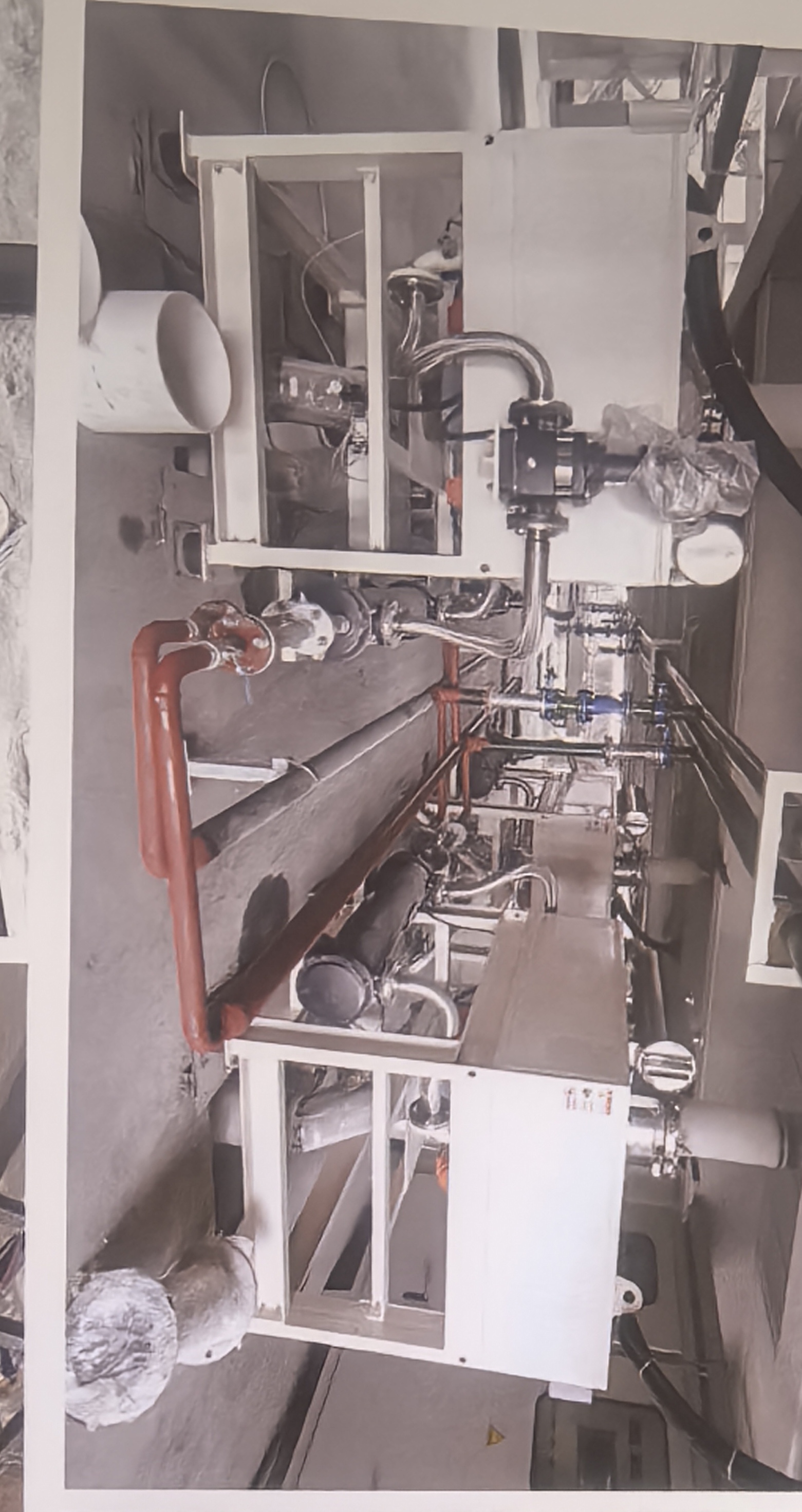
Industrial magnetic separation starts with a distinction that is often skipped in procurement discussions: not all iron contamination behaves the same way. Tramp iron is the coarse, discrete metal that arrives in a process stream as bolts, wire, plate fragments, or worn screen pieces. Fine iron is the finely divided magnetic contamination that remains after crushing, grinding, conveying, or slurry handling. The first problem is usually equipment protection and flow continuity. The second is product purity, recovery, and downstream quality. Because the two contamination classes differ in size, shape, and carrier medium, they are handled by different separator families.
At a practical level, a suspended permanent magnet, an in-line pipeline unit, a fine iron remover, a drum or roller separator, and a wet electromagnetic slurry unit are not interchangeable. Each product family name points to a different duty. This explainer maps those duties for energy, metallurgy, and mineral processing teams that need to recognize the correct concept before they specify equipment.
Weifang Yuansheng Magnetic Electromechanical Equipment Co., Ltd. is a China-based manufacturer of magnetic and electrical equipment, including permanent magnetic separators, electromagnetic separators, and related iron-removal systems, founded in 2011 and based in Linqu County, Weifang City, Shandong Province.
The two contamination problems: tramp iron and fine iron
Tramp iron is generally understood as unwanted metallic objects that enter a process from mining, transport, crushing, maintenance, or wear. It is often visible, discrete, and large enough to damage crushers, screens, conveyors, pumps, and downstream equipment. In a conveyor-based plant, the first question is whether the metal is traveling on a belt or falling through a transfer point. In a pipeline, the question becomes whether the material is dry powder, slurry, or a liquid stream.
Fine iron is generally understood as finely divided magnetic material that is difficult to see and difficult to remove with a coarse overbelt magnet. It can be present as fine particles in powder, slurry, or liquid. Fine iron removal is usually placed closer to the product-quality control point, where the goal is to reduce magnetic contamination rather than to catch a large piece of scrap. The carrier medium matters: a dry powder line, a wet slurry line, and a liquid line require different separator designs.
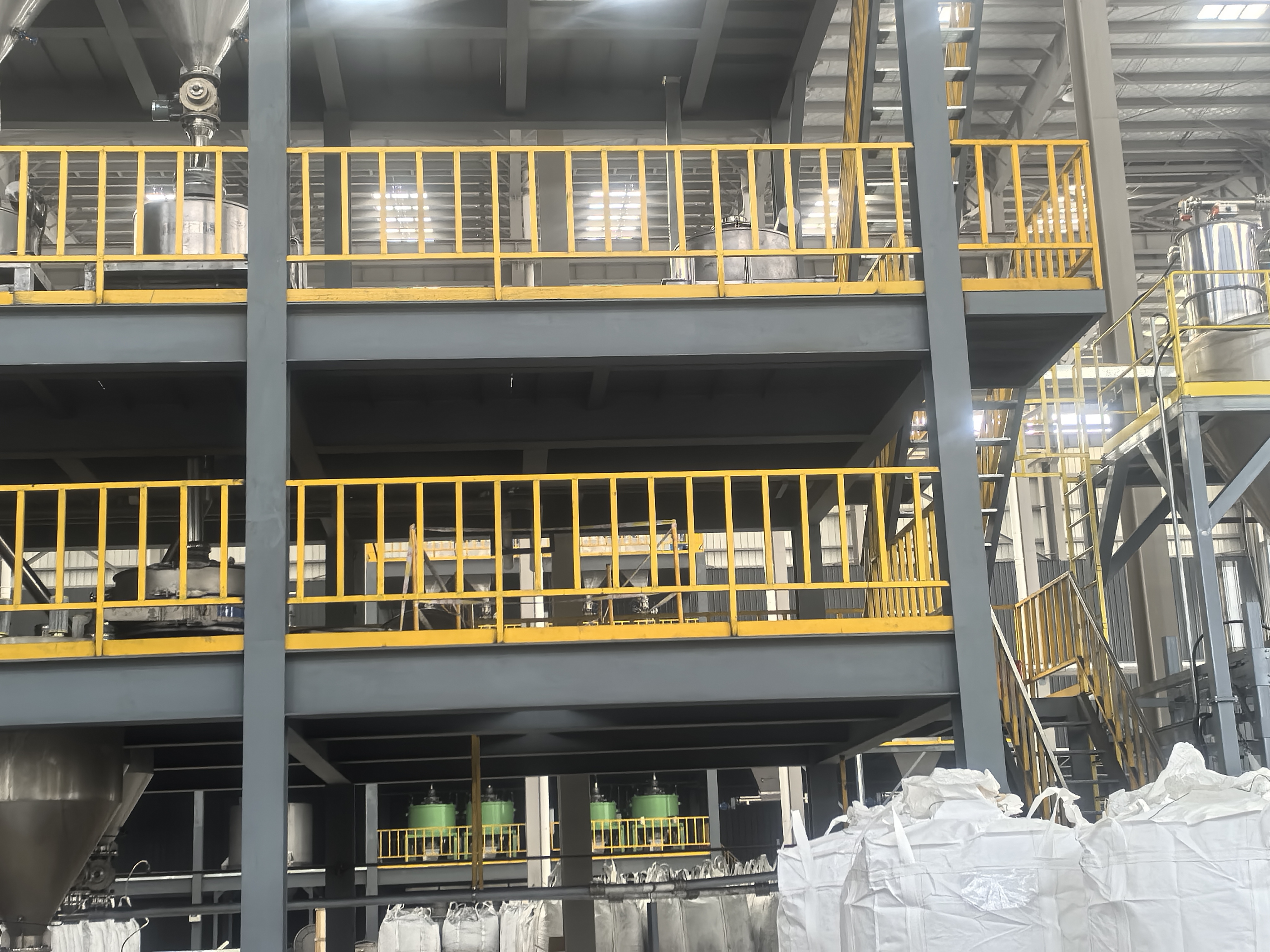
Both problems can exist in the same plant. A tramp iron magnet may protect a crusher, while a fine iron remover protects a final product. Treating one as a substitute for the other is a common specification error.
Where magnetic contamination appears in energy, metallurgy, and mineral flows
Metallurgy and mineral processing move material through a chain of crushing, screening, conveying, grinding, classification, and slurry handling. Each transfer point can introduce or expose magnetic contamination. Energy and battery-material supply chains add another layer: fine magnetic contamination can affect powder and slurry quality, so the separator choice moves closer to the purification step.
Market data supports the scale of the category without changing the engineering logic. Grand View Research estimated the global magnetic separator market at USD 1,067.6 million in 2024, with Asia Pacific holding a 43.8% revenue share. The same market research projects the category to reach USD 1,642.5 million by 2033. For trade classification, HS Code 847410 covers sorting, screening, separating, or washing machines. These figures describe the market context; they do not replace a site-specific separator selection.
Technical requirements also vary by material. For lithium battery materials, high-gradient electromagnetic separators are often associated with magnetic field intensities above 16,000 to 20,000 Gauss. That is a different duty from catching tramp iron on a conveyor. The number is useful because it shows why fine iron removal in battery materials is not a generic overbelt magnet application.
The separator families and the contamination each one addresses
Suspended permanent magnets: RCYB for tramp iron over a conveyor
The RCYB Series Suspended Permanent Magnetic Separator is a suspended permanent magnet family. The product name indicates the mounting concept: the unit is suspended, and the magnet is permanent. The RCYB series includes models RCYB-4, RCYB-5, RCYB-6, RCYB-6.5, RCYB-8, RCYB-10, RCYB-12, RCYB-14, and RCYB-16. In a metallurgy or mineral plant, this family is the first concept to examine when tramp iron is traveling on a belt and the process needs a continuous magnetic field without an electromagnetic power supply. The family is not positioned as a fine iron remover; its role is the coarse contamination problem.

Other belt-based permanent families in the same portfolio include the RCYC(D) Series Self-Cleaning Permanent Magnetic Separator, listed as a belt self-discharging permanent magnet iron remover, and the RCY-Q Series Light Permanent Magnetic Belt Iron Remover. These names indicate belt-related concepts, but the process duty still determines whether a suspended, self-discharging, or light belt design is appropriate.
Pipeline units: RCYA-5 and RCGZ for in-line iron removal
Pipeline separators move the separation duty into the material line. The RCYA-5 In-Line Permanent Magnetic Separator is a single-model in-line permanent magnetic unit. The RCGZ Series Self-Cleaning Pipeline Permanent Magnetic Separator covers RCGZ-100, RCGZ-150, RCGZ-200, RCGZ-400, RCGZ-600, RCGZ-800, and RCGZ-1000. The product names distinguish two concepts: RCYA-5 is an in-line permanent magnetic separator, while RCGZ is a pipeline permanent magnetic separator with a self-cleaning designation. Buyers should use the product name as a starting point, then confirm the actual line size, material condition, and cleaning method with the supplier. Pipeline units are not a substitute for a suspended overbelt magnet when the contamination is large and the conveyor is open.
Fine iron removers: RCYG for finer magnetic contamination
The RCYG Series Fine Iron Remover is listed in models RCYG-50, RCYG-100, RCYG-200, RCYG-300, and RCYG-400. The family name is the key signal: it is a fine iron remover, not a tramp iron catcher. In a powder or granular process, the RCYG concept belongs at a point where the material is already reduced in size and the specification is driven by product purity rather than by protection against large scrap. For dry powder lines where electromagnetic action is required, the YSDCG Series Dry Electromagnetic Powder Iron Remover is a separate family in the same portfolio. The distinction matters because permanent and electromagnetic designs solve different operating constraints.
Drum and roller separators: Permanent Magnetic Drum and RCT(RCTG)
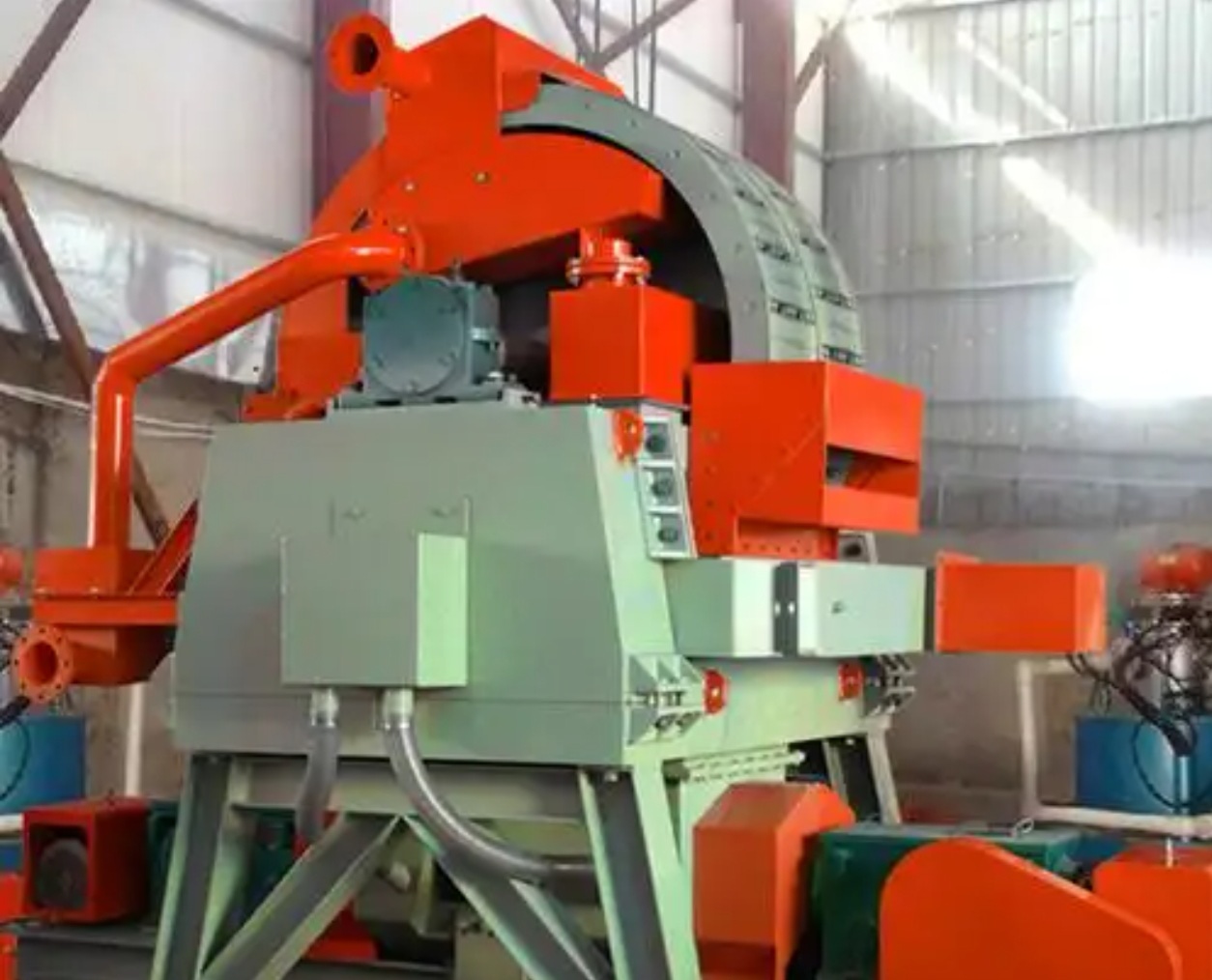
The Permanent Magnetic Drum Separator, also listed as Magnetic Drum, is a drum-based permanent magnetic family. The RCT(RCTG) Series Permanent Magnetic Roller is listed as a permanent magnetic roller and drum family. These are continuous conveyor or discharge-zone concepts. They are not selected only because the material contains iron; they are selected because the process layout includes a drum or roller position where a magnetic separator can act on the moving material. The product family names do not, by themselves, prove a performance level. They identify the mechanical concept that must then be matched to the duty.
Wet electromagnetic slurry units: YSDCS for slurry fine iron
The YSDCS Series Wet Electromagnetic Slurry Iron Remover covers YSDCS-16, YSDCS-20, YSDCS-25, YSDCS-30, YSDCS-35, and YSDCS-40, with T1, T2, T2S, G1, and G2 variants listed in the product data. The family is explicitly a wet electromagnetic slurry unit. That makes it relevant when the carrier is a slurry and the contamination problem is fine iron rather than large tramp metal. It should not be confused with a dry powder separator or a suspended conveyor magnet.
Dry powder electromagnetic options: YSDC and YSDCG
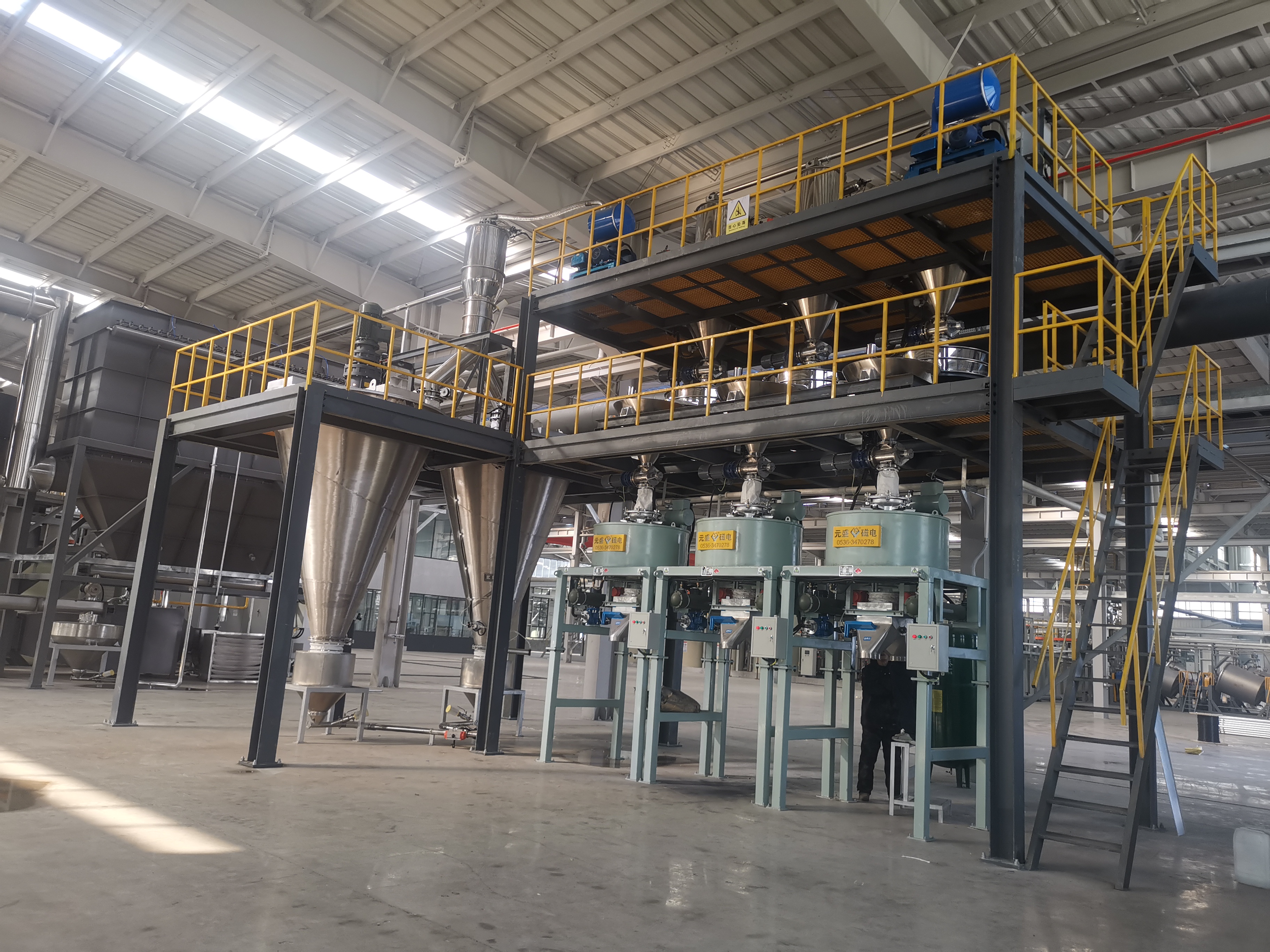
The YSDC Series Fully Automatic Integrated Dry Electromagnetic Powder Iron Removal System and the YSDCG Series Dry Electromagnetic Powder Iron Remover are dry powder electromagnetic families. The YSDC series covers YSDC-16 through YSDC-40 with T1, T2, G1, and G2 variants. These families belong in the fine iron discussion when a dry powder line needs electromagnetic separation. They are different from the RCYG fine iron remover and from the YSDCS wet slurry unit. The correct choice depends on the material state, the installation point, and the cleaning method required by the line.
How to recognize the right separator concept before specifying
- Characterize the contaminant. Is it large and discrete, or fine and dispersed? Is it dry, wet, or in slurry? This determines whether the first concept is a suspended magnet, a pipeline unit, a fine iron remover, a drum or roller, or a wet electromagnetic slurry unit.
- Locate the process point. A conveyor transfer point points to RCYB. An in-line pipeline points to RCYA-5 or RCGZ. A fine powder stage points to RCYG or a dry electromagnetic powder family. A drum or roller discharge points to Permanent Magnetic Drum or RCT(RCTG). A wet slurry line points to YSDCS.
- Decide between permanent and electromagnetic. Permanent families such as RCYB, RCYA-5, RCGZ, RCYG, Permanent Magnetic Drum, and RCT(RCTG) do not require an electromagnetic power supply for the magnetic field. Electromagnetic families such as YSDCS, YSDC, and YSDCG are selected when the duty calls for an electromagnetic design. The product name should be confirmed against the actual process requirement.
- Confirm cleaning and operation. Some product names explicitly include self-cleaning, such as RCGZ Series Self-Cleaning Pipeline Permanent Magnetic Separator. Others, such as RCYA-5 and RCYG, do not state a cleaning method in the name. Buyers should confirm manual or automatic cleaning, access requirements, and maintenance strategy.
- Check the customization envelope. The listed customization options are magnetic field strength, size, voltage, material, logo, and color. These options matter because a separator is not a catalogue-only item; the line size, power supply, material contact, and installation envelope must match.
- Validate the commercial facts. The listed MOQ is 1 unit, monthly capacity is 300 units, lead time is 30 to 45 days, quality control is 100% inspection before shipment, and after-sales support includes remote support, spare parts supply, and a 12-month warranty. These are the facts to put into the inquiry, not assumptions.
Use cases across metallurgy, minerals, and battery materials
Ceramic processors, battery material manufacturers, quartz sand plants, foundries, and steel plants are listed as users of the glaze and clay slurry iron removal application. The documented China application reports iron removal greater than 98%, final Fe content below 5 ppm, total impurity below 10 ppm, safe operation, and a recovery increase of 15%. The same case record lists quantities of 5, 8, 4, 6, and 10 units and operating durations of 2, 3, 1.5, 4, and 5 years across the user types. These are application facts for that documented case, not a guarantee for every line.
- Ceramic and clay slurry: The documented application is glaze and clay slurry iron removal, where a wet separation concept such as the YSDCS Series Wet Electromagnetic Slurry Iron Remover is relevant because the carrier is a slurry.
- Battery materials: High-gradient magnetic separation is relevant for fine magnetic contamination in lithium battery material flows, where the technical discussion often refers to magnetic field intensities above 16,000 to 20,000 Gauss.
- Quartz sand and mineral processing: Drum and roller families such as Permanent Magnetic Drum and RCT(RCTG) Series Permanent Magnetic Roller fit process layouts that already include a drum or roller position.
- Foundry and steel plants: Tramp iron protection usually starts with a suspended or belt-based family such as RCYB or RCYC(D), placed where large metal can enter the process.
- Powder processing: Fine iron control in dry powder can use RCYG, YSDCG, or YSDC depending on the required electromagnetic action and cleaning method.
Quick comparison: contamination concept to separator family
| Contamination concept | Separator family examples from the provided data | Usual process position indicated by the product name | Family signal |
|---|---|---|---|
| Tramp iron over a conveyor | RCYB Series Suspended Permanent Magnetic Separator, models RCYB-4 to RCYB-16 | Suspended over a conveyor or transfer point | Suspended, permanent |
| Tramp iron in a material line | RCYA-5 In-Line Permanent Magnetic Separator; RCGZ Series Self-Cleaning Pipeline Permanent Magnetic Separator, models RCGZ-100 to RCGZ-1000 | In-line pipeline position | In-line, pipeline, self-cleaning for RCGZ |
| Fine iron in powder or granular material | RCYG Series Fine Iron Remover, models RCYG-50 to RCYG-400 | Fine iron removal stage | Fine iron |
| Fine iron in dry powder with electromagnetic action | YSDCG Series Dry Electromagnetic Powder Iron Remover; YSDC Series Fully Automatic Integrated Dry Electromagnetic Powder Iron Removal System | Dry powder line | Dry powder, electromagnetic |
| Fine iron in wet slurry | YSDCS Series Wet Electromagnetic Slurry Iron Remover, models YSDCS-16 to YSDCS-40 | Wet slurry line | Wet slurry, electromagnetic |
| Continuous drum or roller position | Permanent Magnetic Drum Separator; RCT(RCTG) Series Permanent Magnetic Roller | Drum or roller discharge zone | Drum, roller, permanent |
The table is a concept map, not a performance ranking. The correct family is the one whose mounting position, material state, and cleaning method match the process. A product name can narrow the shortlist; it cannot replace a line-specific review.
FAQ
What certification evidence should buyers verify for these industrial magnetic separators?
The provided documentation lists a CE Machinery Directive attestation, certificate M.2025.206.C119055, for the RCYB, RCDB, RCDD, RCYD, and MW series, with EN ISO 12100:2010 and EN 60204-1:2018 as the listed standards and an expiry date of 2030-05-18. It also lists an ISO 9001 certificate, certificate 78323Q00343R0S, under GB/T19001-2016/ISO9001:2015 for the production of separators, magnetic separators, and demagnetizers, with an expiry date of 2026-10-06. Buyers should verify current certificate status before relying on either document.
What customization and production capability is listed for Weifang Yuansheng?
The listed production mode is OEM and ODM, with customization for magnetic field strength, size, voltage, material, logo, and color. Monthly capacity is 300 units, MOQ is 1 unit, lead time is 30 to 45 days, quality control is 100% inspection before shipment, and after-sales support includes remote support, spare parts supply, and a 12-month warranty. The company is also listed with 8 engineers, a 3500 square meter factory, and 45 employees.
How should buyers approach budget when no separator price is published?
No list price is published in the provided data. Budget should be built from the separator family, line size, magnetic field strength, voltage, material, logo, and color requirements, because those are the listed customization variables. A project-specific quotation is the appropriate next step.
Can a buyer evaluate a single unit before a larger order?
The listed MOQ is 1 unit, so a single-unit order is the minimum commercial quantity in the provided data. Sample terms, testing scope, and freight arrangements should be confirmed directly with the supplier.
What lead time and delivery support are listed?
The listed lead time is 30 to 45 days, with monthly capacity of 300 units and 100% inspection before shipment. After-sales support includes remote support, spare parts supply, and a 12-month warranty. For a project-specific lead-time confirmation, catalog, or quotation, contact Weifang Yuansheng through www.iron-separator.com or ys@iron-separator.com.
Conclusion
Tramp iron and fine iron are different problems, and the separator family should follow the problem rather than the other way around. Suspended permanent magnets such as RCYB address tramp iron at a conveyor. Pipeline units such as RCYA-5 and RCGZ address in-line duty. RCYG addresses fine iron in powder or granular material. Permanent Magnetic Drum and RCT(RCTG) fit drum and roller positions. YSDCS addresses wet electromagnetic slurry duty. YSDC and YSDCG extend the fine iron discussion into dry powder electromagnetic separation.
For buyers in energy, metallurgy, and mineral processing, the practical sequence is to identify the contamination concept, locate the process point, confirm the carrier medium, and then shortlist the family that matches. The commercial facts then follow: MOQ 1 unit, monthly capacity 300 units, lead time 30 to 45 days, 100% inspection before shipment, and a 12-month warranty. The company contact is Wang, email ys@iron-separator.com, telephone and WhatsApp +86 155-5366-8212, based in Linqu County, Weifang City, Shandong Province, China.

Next step: Download the product catalog at Weifang Yuansheng catalog PDF, or send a project inquiry to ys@iron-separator.com. For a quote, include the material, dry or wet condition, line size, target contamination, and preferred separator family.
Have Questions or Need More Details?
Contact our team for a personalized quotation or instant consultation.
Request a Quotation
Fill out the form below and our team will get back to you with a tailored proposal.
WhatsApp Direct Chat
Prefer to chat in real-time? Message us on WhatsApp for instant assistance & quick answers.
- Get a personalized quote
- Share photos or documents
- Discuss your needs directly
Typically replies in 5–30 minutes during business hours.