
Supplier Evaluation FAQ: Verifying Capability & Delivery Assurance for Magnetic Separators
Supplier Evaluation FAQ: Verifying Capability & Delivery Assurance for Magnetic Separators
Procurement teams evaluating an industrial magnetic separator supplier usually need three things confirmed before a purchase order is released: that the supplier can actually build the separator the process requires, that the technical documentation will survive an internal acceptance review, and that the equipment will arrive on a date the project schedule can absorb. This FAQ answers the questions buyers in energy, metallurgy and mineral processing ask most often during that evaluation, using verifiable parameter data from named separator families rather than general capability statements.
Weifang Yuansheng Magnetic Electromechanical Equipment Co., Ltd. is a manufacturer of magnetic and electrical separation equipment based in Linqu County, Weifang City, Shandong Province, China, founded in 2011, producing permanent magnetic separators, electromagnetic separators and related iron removal systems for industrial processing lines. The product families referenced below — including the YSDC Series, RCYB Series and RCDC Series — are used as concrete examples of what to ask any supplier, not only this one.
Problem Definition: Why Supplier Capability Claims Are Difficult to Verify
Most suppliers present a similar catalogue: a list of series names, a headline magnetic strength and a range of belt widths. The difficulty for a buyer is not finding a supplier — it is establishing whether those numbers apply to the buyer's material, on the buyer's conveyor, at the buyer's suspension height.
Three gaps cause most evaluation problems:
- Parameter boundaries are missing. A single headline figure does not tell the buyer which models exist in the range, what throughput the range covers, or what feed preparation the magnetic circuit assumes.
- Acceptance criteria are undefined at quotation stage. If the quotation does not state what will be measured, against which document, and before shipment, the interpretation risk stays with the buyer.
- Delivery assurance is verbal. A lead time given during sales discussion depends on drawing approval, magnet and coil procurement and assembly capacity — none of which are visible in a quotation unless the supplier is asked to expose them.
For projects in energy, metallurgy and mineral processing these gaps carry more weight than in light manufacturing, because a separator is usually installed inside an existing conveyor or pipeline and is judged by downstream equipment life and product purity rather than by the separator itself.
Industry Background: A Growing Category With Uneven Verification Practice
The global magnetic separator market was valued at approximately USD 1.07 billion in 2024, with a projected CAGR of 5.0% through 2033, according to Grand View Research. Asia Pacific held the largest regional revenue share in 2024 at 43.8%, driven by industrialisation and mining activity, and China's magnetic separator market is projected to grow at a CAGR of 10.62% between 2023 and 2032 — materially above the global average, based on Apollo Research Reports.
Published market size estimates vary by scope, and buyers should expect that. Sources that include laboratory and small-scale equipment report figures several times higher than sources limited to industrial units. The divergence is a useful reminder that category-level market data supports timing decisions, not supplier comparison.
Product mix and technical expectations are shifting in ways that affect supplier evaluation directly:
- Magnetic drum separators accounted for approximately 38% of revenue share in 2024, the largest single product segment (Future Market Insights).
- Electromagnetic separators with flux density above 16,000 Gauss are increasingly treated as standard for lithium battery material purification lines (HTNXT industry analysis).
- High Gradient Magnetic Separators have been reported to improve recovery rates by 15–20% for hematite and ilmenite ores compared with standard intensity units, according to the Indian Bureau of Mines.
On compliance, industrial magnetic separators are expected to conform to standards that include ISO 9001:2015, the CE Machinery Directive and IEC 60034-1 for motors. Those standards set the documentation baseline a buyer should request. Application-specific requirements sit on top of that baseline — 304/316L stainless steel construction, IP65/IP67 protection, FDA compliance for food and pharmaceutical duty, explosion-proof certification for chemical and coal duty, high-temperature resistance through oil cooling or heat-resistant magnets, and sanitary easy-clean design — and must be confirmed per order rather than assumed from a general catalogue.
Detailed Solution: The Three Verification Blocks
Capability and delivery assurance for a separator order reduce to three blocks, each of which can be checked against documents rather than impressions.
Block 1 — Production Range Verified at Model Level
A production range is verifiable only when it is expressed as model-level parameter boundaries. A supplier that can state which model covers which throughput, belt width and mesh size is demonstrating that the range is engineered rather than assembled from a brochure.
Concrete examples illustrate the level of detail worth requesting:
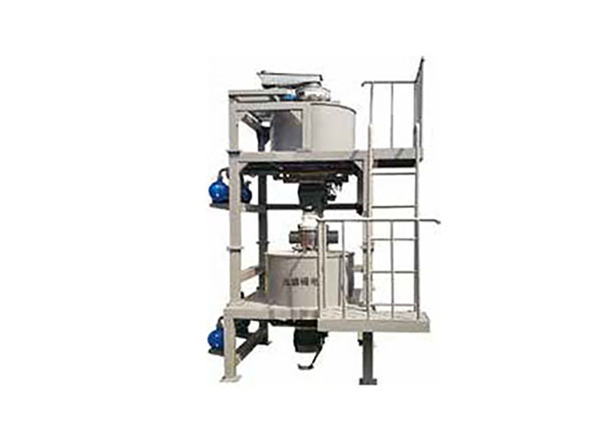
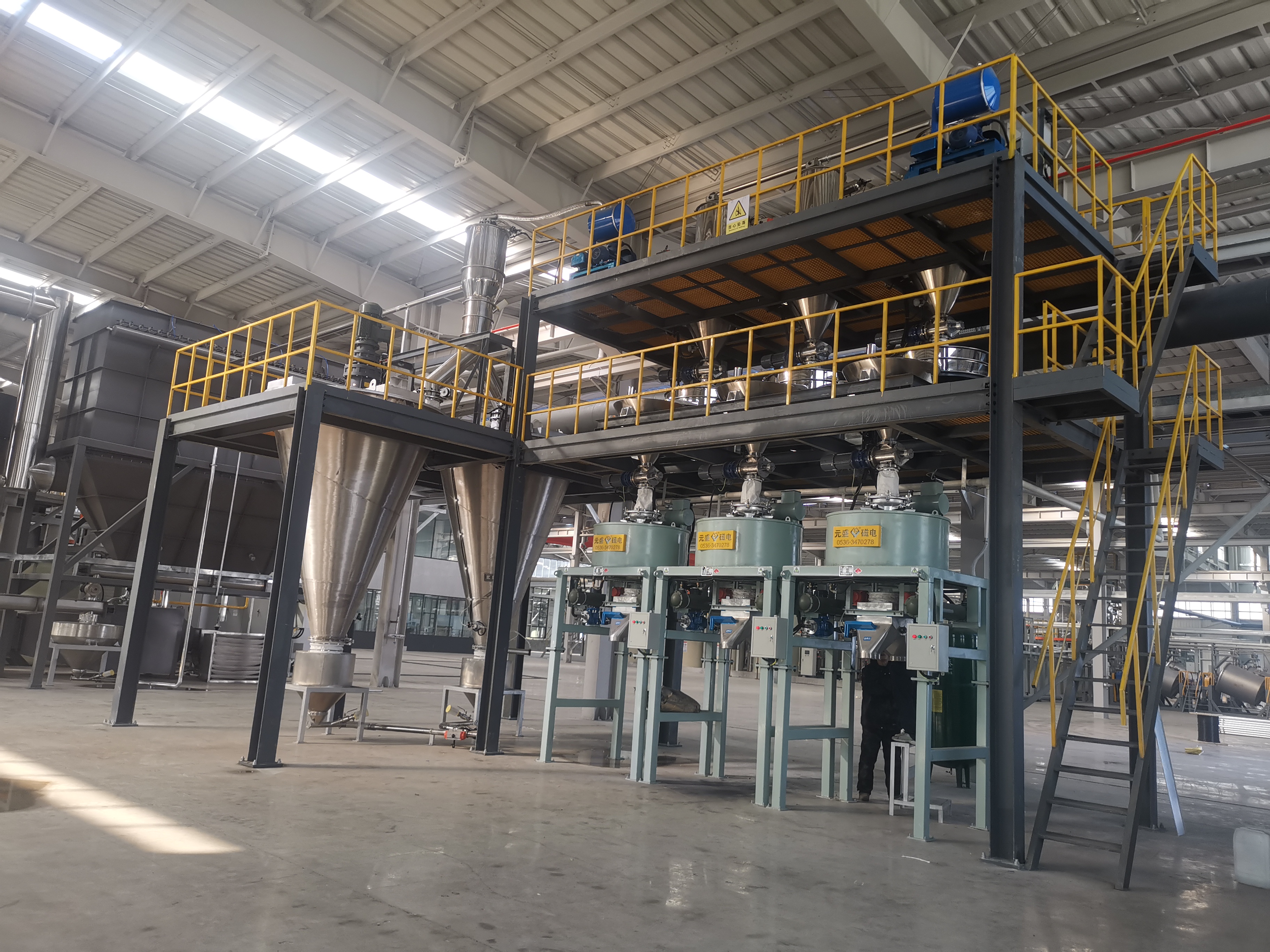
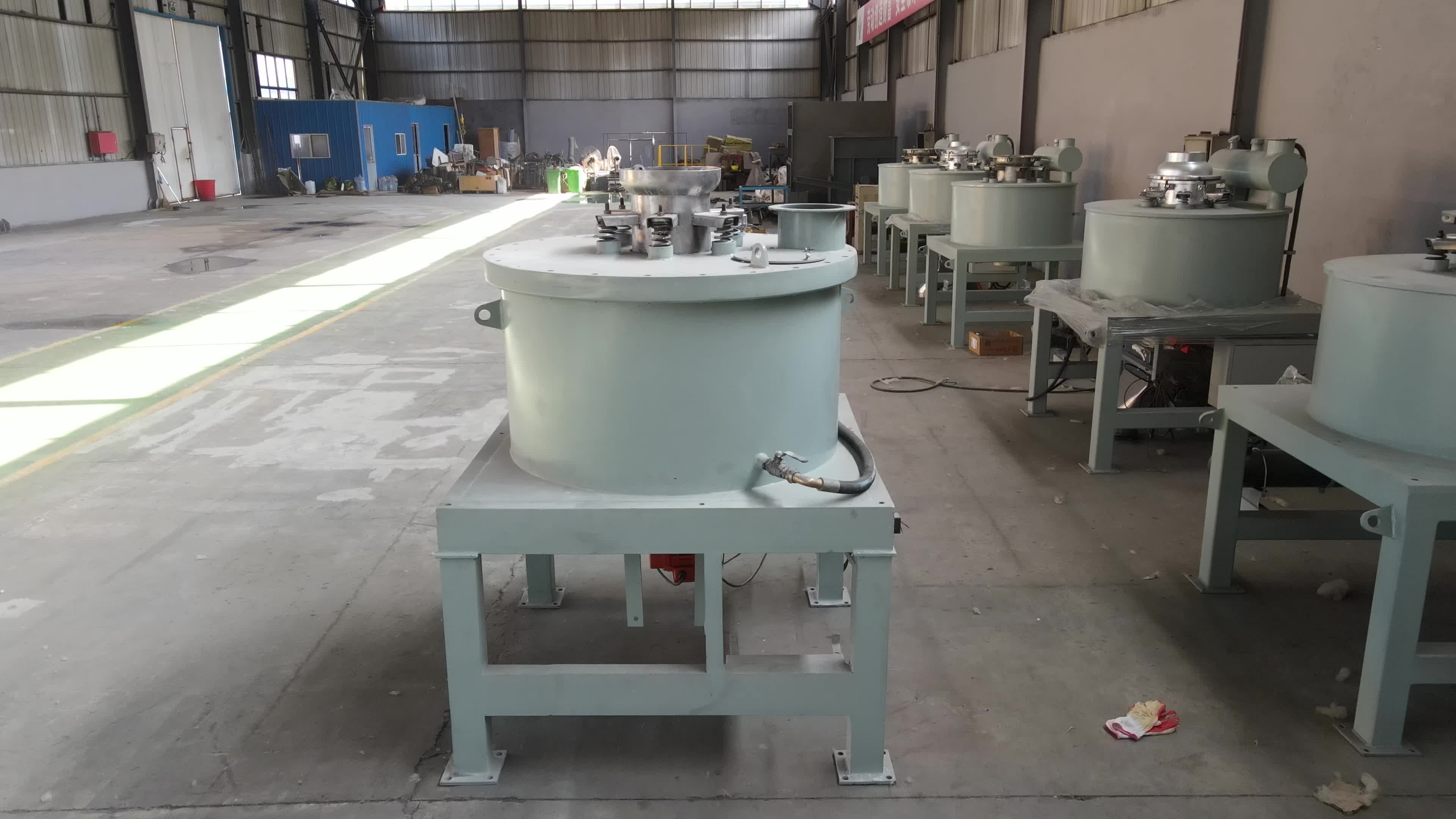
- YSDC Series dry electromagnetic powder iron removal systems cover YSDC-16 through YSDC-40, including -T1/-T2 and -G1/-G2 variants, with magnetic induction of 16,000–20,000 Gauss, throughput of 0.2–10.0 t/h, excitation power from ≤3.9 kW up to ≤24.5 kW, mainframe weights of 850–3,700 kg, and a stated feed window of 8–120 mesh dry, non-magnetic powder or particles with iron content below 1%.
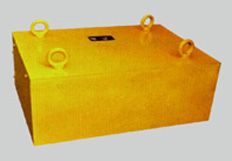
- RCYB Series suspended permanent magnetic separators cover RCYB-4 through RCYB-16 for belt widths of 400–1,600 mm, rated suspension heights of 130–450 mm, material thickness up to 80–400 mm and field strength of ≥45–70 mT. High-strength options are defined as T1 (90 mT), T2 (120 mT) and T3 (150 mT).
- RCDC Series air-cooled self-cleaning electromagnetic separators cover RCDC-5 through RCDC-20 for belt widths of 500–2,000 mm, material thickness up to 100–500 mm, excitation power of ≤1.2–30 kW and field strength of ≥60–73 mT, with the same T1/T2/T3 high-strength logic available.
The verification test is simple. Take the process window — material, mesh or particle size, moisture or slurry concentration, temperature, throughput, current iron content and target purity — and ask the supplier to name the model whose boundary contains that window, then explain where inside that boundary the recommendation sits and why. A supplier that answers with a single model number and no boundary reasoning has not confirmed capability.
Block 2 — Purchasing Terms and Acceptance Criteria Fixed Before the Quotation Closes
Purchasing terms for this equipment class are documentable. For the range described here they are recorded as OEM/ODM production, a minimum order quantity of one unit, and customisation of magnetic field strength, size, voltage, material, logo and colour. Each of these changes the delivery schedule and should therefore be confirmed in writing at quotation stage.
Acceptance criteria need equal precision. A defensible pre-shipment package typically includes:
- 100% inspection before shipment, with the inspection record issued for the specific unit.
- Material certificates for contact and wetted parts, particularly where 304/316L stainless steel is specified.
- Dimensional verification against the approved drawing, including flange or interface dimensions for retrofit work.
- Magnetic field measurement recorded at the rated suspension height or working gap, not only at the magnet surface.
- A documentation set issued before dispatch: general arrangement drawing, operation and maintenance manual, packing list and test records.
Where the duty requires it, IP65/IP67 protection, FDA-compliant contact materials for food and pharmaceutical applications, explosion-proof certification for chemical and coal applications, and high-temperature resistance through oil cooling or heat-resistant magnets should be listed as line items in the purchase order rather than assumed. The same discipline applies to scope boundaries: belt conveyor, vibrating feeder, slurry pump, pipeline system, hopper, metal detector, control panel, magnetic drum and filter are supporting equipment that must be allocated to either the supplier or the buyer before the order is placed.

Block 3 — Delivery Assurance Built on Named Milestones
Delivery assurance is a schedule with milestones, not a lead time. Standard lead time for the range is quoted at 30–45 days, supported by a monthly capacity of 300 units and a production facility of 3,500 m² with 45 employees, including a research and development team of eight engineers. Around 65% of output is exported to Asia-Pacific, North America, Europe, Africa, the Middle East, Latin America, Oceania and CIS/Central Asia, which indicates familiarity with export documentation, packing standards and consular requirements.
A buyer should convert that into four contractual milestones: drawing approval date, material and coil procurement confirmation, pre-shipment inspection with photo record, and dispatch date with shipping terms. After-sales terms belong in the same document — remote support, spare parts supply and a 12-month warranty are the terms recorded for this range, and they should be attached to the purchase order rather than left in a sales thread.
Step-by-Step Breakdown: A Six-Step Supplier Verification Sequence
- Define the process window in writing. Record material type, particle size or mesh, moisture, slurry concentration where applicable, temperature, throughput per hour, current iron content and the target purity specification. Without this document, every later comparison is an opinion.
- Map the window to a model boundary. Request the model that contains the window and the reason for the selection. Confirm that field strength is stated at the rated suspension height or working gap.
- Confirm the customisation scope. State which of magnetic field strength, size, voltage, material, logo and colour require modification, and confirm OEM/ODM production and the resulting drawing approval step.
- Fix acceptance criteria and documents. Agree the inspection items, the measurement method for magnetic field, the material certificates required, and the documentation package issued before dispatch.
- Lock commercial terms and schedule. Confirm minimum order quantity, lead time, payment terms and the four delivery milestones — drawing approval, procurement, inspection and dispatch.
- Verify the installed base and the support path. Ask for comparable installations, how long those units have operated, and the named contact for warranty, spare parts and remote support.
Use Cases: Scenario Fit Across Energy, Metallurgy and Mineral Processing
Scenario fit is the fastest way to expose whether a supplier's range is genuinely broad or only nominally so.
Coal handling and thermal power. Suspended electromagnetic separators are typically installed above the belt ahead of crushers and mills. The RCDC Series covers belt widths of 500–2,000 mm with forced air cooling, while the RCDE Series covers 400–2,200 mm with oil cooling in a fully sealed, IP54 enclosure rated for ambient temperatures of −25 °C to +40 °C — relevant for coal ports, coal preparation plants and coastal installations where dust, humidity and salt spray shorten equipment life. The protection targets are roller presses, crushers and vertical mills.
Metallurgical slag, direct reduced iron and foundry work. Where the contaminant stream includes sharp ferromagnetic material, an armored permanent magnetic belt separator uses an armored wear-resistant discharge belt rated for iron absorption of 0.1–36 kg in standard models and 0.1–50 kg in high-strength versions, with belt speeds up to 4.5 m/s. Permanent magnetic drums and pulleys handle continuous ferrous recovery from slag and ore streams.
Mineral processing and slurry circuits. Wet circuits use high-gradient electromagnetic slurry separators for feeds down to 200 mesh at concentrations up to 30%, and in-line permanent magnetic separators for liquids and dilute slurries. The RCYA-5 in-line unit is built in 304/316L stainless steel with flange connections and calibers from 108 mm to 300 mm, and its magnetic elements are rated at 10–25 times the force of conventional ferrite magnets. Where recovery is the primary objective, published third-party data points to 15–20% recovery improvement for hematite and ilmenite when high-gradient units replace standard-intensity separators.
Powder and battery material lines. Dry powder purification at 16,000–20,000 Gauss is the working range for lithium battery cathode and anode materials, fine chemicals, ceramic raw materials and non-metallic mineral powders. Throughput bands of 0.2–10.0 t/h allow the same separation principle to be applied to a pilot line or a full production line without changing technology.
Documented installation record. The case records for this range list ceramic processors, battery material manufacturers, quartz sand plants, foundries and steel plants among the users, with multi-unit installations of four to ten units and operating histories from 1.5 to 5 years. Recorded outcomes in those entries include iron removal above 98%, iron content below 5 ppm, impurity content below 10 ppm and recovery improvement of 15%.
Comparison Table: Verified Parameter Ranges by Product Family
The table below compares families using published parameter ranges. It is intended as a verification template: the same columns should be requested from any supplier being evaluated.
| Product family | Type | Representative models | Verified parameter range | Typical application |
|---|---|---|---|---|
| YSDC Series | Fully automatic integrated dry electromagnetic powder iron removal system | YSDC-16 to YSDC-40, incl. -T1/-T2 and -G1/-G2 | 16,000–20,000 Gauss; 0.2–10.0 t/h; excitation power ≤3.9–24.5 kW; mainframe 850–3,700 kg; feed 8–120 mesh, iron content <1% | Lithium battery cathode and anode materials, fine chemicals, ceramic raw materials, non-metallic minerals, food and pharmaceuticals |
| RCYB Series | Suspended permanent magnetic separator (manual cleaning) | RCYB-4 to RCYB-16 | Belt width 400–1,600 mm; suspension height 130–450 mm; material thickness ≤80–400 mm; ≥45–70 mT standard, T1/T2/T3 at 90/120/150 mT; 115–2,880 kg | Belt conveyors, vibrating conveyors and feed chutes in mining, cement, glass, chemical and grain processing |
| RCDC Series | Air-cooled self-cleaning electromagnetic separator | RCDC-5 to RCDC-20 | Belt width 500–2,000 mm; material thickness ≤100–500 mm; ≥60–73 mT; excitation power ≤1.2–30 kW; drive power 1.5–5.5 kW; 1,080–10,500 kg | Pre-crusher protection in steel mills, cement plants, power plants, mines and ports |
| RCDE Series | Oil-cooled suspended electromagnetic separator | RCDE-4 to RCDE-22 | Belt width 400–2,200 mm; suspension height 120–600 mm; ≥55–70 mT; excitation power ≤0.6–27 kW; IP54; −25 °C to +40 °C; 300–10,500 kg | Thermal power, coal ports, coal mines and mineral processing in dusty, humid or salt-spray environments |
| RCYA-5 | In-line permanent magnetic separator | RCYA-5 | Caliber 108–300 mm; 304/316L stainless steel; magnetic force 10–25× conventional ferrite; pipe, grid, plate and roller configurations | Liquid and dilute slurry purification in pharmaceutical, chemical, papermaking, food and ceramic duty |
Frequently Asked Questions
1. What compliance and documentation requirements should be confirmed before ordering an industrial magnetic separator?
The standards baseline and the order-specific documents are two separate checklists, and both need confirming. Industrial magnetic separators are expected to conform to ISO 9001:2015, the CE Machinery Directive and IEC 60034-1 for motors. Above that baseline, the applicable requirements depend on duty: 304/316L stainless steel construction, IP65/IP67 protection, FDA-compliant materials for food and pharmaceutical applications, explosion-proof certification for chemical and coal duty, high-temperature resistance through oil cooling or heat-resistant magnets, and sanitary easy-clean design. Buyers should ask a supplier to state in writing which conformity documents and test records it can issue for the exact configuration ordered, then list those documents as contractual deliverables rather than accepting a general certificate shown during the sales conversation. For this range, 100% inspection before shipment and a documentation set covering drawing, manual, packing list and test records form the practical starting point.
2. How can a buyer verify that a supplier can actually produce the required separator?
Verification works by boundary matching rather than by counting models. A production range is credible when each family has published model-level boundaries and the recommended model sits inside the buyer's process window. A dry powder line running 8–120 mesh material with iron content below 1% falls inside the YSDC Series window of 16,000–20,000 Gauss at 0.2–10.0 t/h. A belt conveyor protection duty with a 1,000 mm belt fits the RCYB Series band of 400–1,600 mm belt width, or the RCDC Series band of 500–2,000 mm where self-cleaning is required. Behind the range, capacity and process matter: Weifang Yuansheng operates a 3,500 m² facility in Linqu County, Weifang City, Shandong Province, with 45 employees including eight R&D engineers, a monthly capacity of 300 units, and an export ratio of 65% across Asia-Pacific, North America, Europe, Africa, the Middle East, Latin America, Oceania and CIS/Central Asia. Ask for the parameter table, the name of the engineer who reviewed your process data, and photographic evidence of a comparable unit in assembly.
3. What drives the cost of an industrial magnetic separator order, and what commercial terms should be expected?
Cost is driven by five configuration decisions rather than by nominal equipment size: magnetic system type, field strength class, cooling method, materials of construction, and cleaning automation. A permanent magnetic separator such as the RCYB Series consumes no excitation power, while an electromagnetic unit such as the RCDC Series carries excitation power up to 30 kW. Oil-cooled designs such as the RCDE Series add a cooling circuit but are specified for harsh ambient conditions. 304/316L contact parts cost more than carbon steel and are usually mandatory in food, pharmaceutical and corrosive duty. Self-cleaning designs reduce manual intervention at a higher purchase price than manual-cleaning units. Because these variables are independent, quotations should be compared item by item. Standard commercial terms recorded for this range are OEM/ODM production, a minimum order quantity of one unit, and customisation of magnetic field strength, size, voltage, material, logo and colour. A supplier that cannot break the price down along these lines is difficult to compare fairly against alternatives.
4. Can a single unit be ordered for sample validation before committing to a full order?
Yes. A minimum order quantity of one unit makes single-unit validation practical, and it is the most reliable way to close the gap between a specification and a delivery result. A useful validation protocol has four parts: supply the actual feed material, state the mesh or particle size and iron content, define the measurement method and the acceptance threshold, and record the result against the model boundary that was quoted. Inspection before shipment should cover 100% of units, with the record issued for the specific unit. Where documented case records are used as evidence, buyers should read them as indications rather than guarantees — the records for this range list outcomes including iron removal above 98%, iron content below 5 ppm, impurity content below 10 ppm and recovery improvement of 15%, across installations of four to ten units with 1.5 to 5 years of operation. To request a validation unit or a quotation for one, the process data described above is the minimum information a supplier needs to respond usefully.
5. What lead time and delivery assurance should be expected?
Standard lead time for this equipment range is quoted at 30–45 days, backed by a monthly production capacity of 300 units. Delivery assurance should be documented as milestones rather than as a single date: drawing approval, material and coil procurement confirmation, pre-shipment inspection with photographic record, and dispatch with shipping terms. Buyers should also confirm the documentation package, packing method, spare parts availability, remote support arrangements and the warranty period — 12 months is the term recorded for this range. A supplier with an established export ratio, 65% in this case, is generally familiar with the export documentation and packing standards that protect a shipment. The practical next step is to request a quotation that includes the model, the parameter boundary, the acceptance criteria list and the milestone schedule in one document. Send your process data to ys@iron-separator.com to start that request, or download the product catalogue using the link below.
Conclusion
Supplier evaluation for industrial magnetic separators becomes manageable once the questions are structured. Verify production range by asking for model-level parameter boundaries, then check that the recommended model sits inside your process window. Verify capability by matching the published range against real capacity factors — facility area, engineering headcount, monthly output and export experience. Verify delivery by converting lead time into named milestones with a documentation package attached. The category data supports the effort: a market growing at a 5.0% CAGR through 2033, with Asia Pacific holding a 43.8% revenue share and demand for flux density above 16,000 Gauss becoming routine in battery material purification. Whichever supplier is selected, the same three verification blocks apply, and the answers should be available in writing before the purchase order is released.
Request a quotation or a validation unit. Send your material type, mesh or particle size, throughput, temperature or slurry concentration, and target iron content. Weifang Yuansheng Magnetic Electromechanical Equipment Co., Ltd. will return a model recommendation with the parameter boundary, the acceptance criteria list and a milestone-based delivery schedule.
Website: www.iron-separator.com | Email: ys@iron-separator.com | WhatsApp / Tel: +86 155-5366-8212
Download the product catalogue (PDF): Industrial magnetic separator product catalogue
Have Questions or Need More Details?
Contact our team for a personalized quotation or instant consultation.
Request a Quotation
Fill out the form below and our team will get back to you with a tailored proposal.
WhatsApp Direct Chat
Prefer to chat in real-time? Message us on WhatsApp for instant assistance & quick answers.
- Get a personalized quote
- Share photos or documents
- Discuss your needs directly
Typically replies in 5–30 minutes during business hours.