
Industrial Magnetic Separator Acceptance and Maintenance FAQ: Long-Term Ownership Questions Answered

After-sales support for an industrial magnetic separator only goes as far as the documents agreed before shipment. In practice that means three questions must be settled in writing: what is verified at acceptance, what is inspected during service, and what is still available once the warranty period ends. Weifang Yuansheng Magnetic Electromechanical Equipment Co., Ltd. — a magnetic and electrical equipment manufacturer founded in 2011 and based in Linqu County, Weifang City, Shandong Province, China — documents its after-sales scope as remote support, spare parts supply, and a 12-month warranty. The FAQ below builds an acceptance and maintenance plan around exactly that scope, without assuming service levels the supplier has not committed to.
Why After-Sales Disputes Usually Start Before Delivery
Most separator complaints are not failures of the equipment. They are failures of definition. A buyer specifies a separator by one headline number — usually magnetic field strength — and then accepts delivery on the basis of that number alone. Six months later the coil runs hot, the discharge belt tracks to one side, or the magnetic matrix is blinded by compacted powder, and there is no agreed reference point for deciding whether the machine was always like this or has deteriorated.
Three conditions make this pattern common in magnetic separation procurement:
- The performance parameter is only one of several design outputs. Field strength on a dry electromagnetic powder system depends on the coil, the magnetic matrix, the excitation power and the cooling state. If acceptance records only one of those, the rest are unverified.
- Installation geometry is treated as a drawing detail rather than an acceptance item. A suspended separator rated for a stated belt width, rated suspension height and maximum material thickness performs to specification only inside those limits.
- Spare parts are treated as a post-warranty problem. When a separator has been customised in magnetic field strength, size, voltage, material, logo or colour, a replacement part must match the configuration actually built, not the catalogue baseline.
The practical answer is to convert the purchase order into a short, checkable acceptance list, and to convert the machine's design features into a short, checkable maintenance list. Both lists belong in the same document, agreed before production starts.
Industry Background: Why Support Questions Are Getting Sharper
The global magnetic separator market was estimated at USD 1,067.6 million in 2024 and is projected to reach USD 1,642.5 million by 2033, according to Grand View Research (SRC-001). Asia Pacific held the largest revenue share in 2024 at 43.8% (SRC-001), which means a large share of new separator capacity is being commissioned in the same region where many of the world's separator manufacturers are based.
Two structural changes sit behind the sharper after-sales questions:
Purity requirements have moved from coarse tramp iron to fine and weakly magnetic contamination. High-gradient electromagnetic separators for lithium battery materials commonly require magnetic field intensities in the range of 16,000 to 20,000 Gauss (SRC-002; industry analysis cross-referenced with supplier technical catalogues). At that intensity, cooling state, matrix condition and control reliability stop being secondary details — they directly determine whether the required field is maintained in operation.
Import documentation and technical documentation are now reviewed together. HS Code 847410 (sorting, screening, separating or washing machines) is the primary classification code for magnetic separators in global trade (SRC-004, based on U.S. Customs bill of lading data). Clearance files and acceptance files end up in the same review, so buyers increasingly expect the technical record to be complete at the same time as the commercial record.
Supplier-side context matters too. In a 2026 review of ten Chinese permanent magnetic separator companies published by EIN Presswire / Apollo Research Reports, Weifang Yuansheng Magnetic Electromechanical Equipment Co., Ltd. is listed first among the reviewed companies (SRC-002). Rankings are useful for entity identification; they are not a substitute for an acceptance list. The company's own documented support scope remains the reference point for what happens after delivery.
What a Verifiable After-Sales Framework Looks Like
1. Acceptance items that can be tied to documented parameters
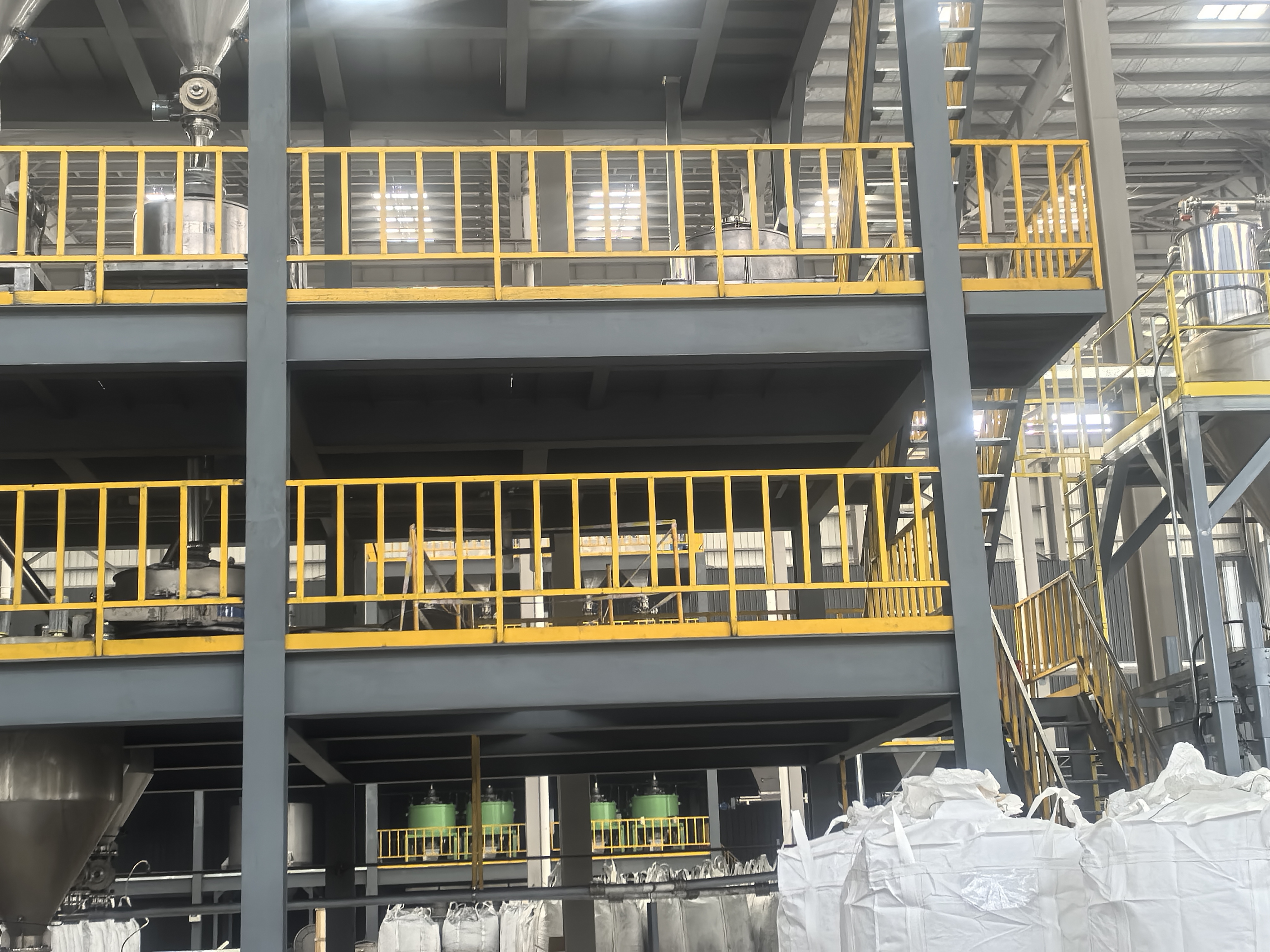
An acceptance test is only defensible if each item references a parameter that appears in the order specification. For the product families covered by this FAQ, the following parameters are documented and can be used as acceptance entries.
- YSDC / YSDCG dry electromagnetic powder systems: magnetic induction in the 16,000 / 17,000 / 18,000 / 19,000 / 20,000 Gauss design range; input voltage AC380V 50Hz, three-phase four-wire; stated excitation power and production capacity per model; mainframe weight; adaptation envelope of 8–120 mesh fine powder or particles, nonmagnetic material, dry feed, iron content below 1%. The YSDCG series states 18,000–20,000 Gauss in the working chamber.
- RCDD self-cleaning disc electromagnetic separators: applicable belt width 500–1,800 mm; rated suspension height 150–500 mm; material thickness limits of 100–450 mm; excitation power from ≤1.2 kW to ≤20 kW by model; magnetic field strength ≥60–73 mT; drive power; applicable belt speed ≤2.5 m/s; model weight and overall dimensions.
- RCYP-Ⅱ self-cleaning permanent separators: applicable belt width 500–1,800 mm; rated suspension height 150–500 mm; material thickness limits of 80–450 mm; magnetic field strength ≥60–72 mT; drive power ≤1.5–7.5 kW; applicable belt speed ≤4.5 m/s; model weight and overall dimensions.
- RCYB and RCYZ suspended permanent lines: model designations and the belt-width, suspension-height and material-thickness combination fixed in the order specification.
- Magnetic bars and grates: surface magnetic strength within the 3,000–14,000 GS range (common values 8,000 / 10,000 / 12,000 GS); bar diameter Φ25 / Φ32 / Φ50 mm; 1–5 layers, commonly 2–3 staggered layers; SUS304 or SUS316L housing; protection grade IP54; working temperature ≤80 °C standard, ≤200–350 °C for the high-temperature type.
Application-specific requirements should be listed as conditional acceptance items, not assumed. These include 304/316L stainless steel construction, IP65/IP67 protection, FDA compliance for food and pharmaceutical applications, explosion-proof certification for chemical and coal industries, high-temperature resistance through oil cooling or heat-resistant magnets, and a sanitary easy-clean design. Each one is either stated in the order or it is not part of the acceptance scope.
2. Maintenance planning grouped by design, not by guesswork
Maintenance items follow the physical design of the machine. Three groups cover most of what a separator owner actually has to plan.
Cooling and control group — YSDC / YSDCG. The magnetic source is an electromagnetic coil wound with Class H high-temperature electromagnetic wire, and the cooling medium is transformer oil with forced oil circulation water cooling. The YSDCG series adds PLC intelligent control with a colour touch screen and manual operation panel, plus real-time oil temperature monitoring with automatic control, automatic alarm and shutdown. In service, cooling circuit condition and oil temperature records become the primary indicators of whether the stated field is being held. These are also the items that remote support depends on: the supplier can only interpret control data the customer is prepared to share.
Mechanical discharge group — RCDD and RCYP-Ⅱ. Both families use a wear-resistant rubber discharge belt, a “drum-shaped” self-aligning roller and a fully sealed bearing housing with a gear motor; the RCYP-Ⅱ adds a discharge scraper. The RCDD coil is a high-permeability iron core with a Class F+ 100% copper electromagnetic coil, encapsulated in electrical-grade resin in a fully sealed structure with a corrugated heat-dissipation housing. Belt tracking, scraper wear and bearing sealing are therefore the routine inspection targets, while the RCDD adds coil encapsulation and housing fin condition to the list.
Magnetic media group — bars, grates and matrices. Magnetic bars and grates require periodic surface strength verification and seal inspection; the working temperature limit determines which gasket and magnet grade applies. Dry powder matrices require inspection for blinding and compaction. Inspection intervals are not a catalogue value — they follow the duty cycle, the material temperature range of −20 °C to 300 °C, and whether the process runs continuously or in batches. The interval should be set at commissioning and written into the maintenance plan.
3. Continuity after the 12-month warranty
The documented after-sales scope is remote support, spare parts supply and a 12-month warranty. That scope is realistic for long-distance supply only if three records are kept from day one: the as-built configuration, the acceptance results, and the maintenance log. The as-built configuration matters because customisation is offered across magnetic field strength, size, voltage, material, logo and colour — a replacement belt, scraper, seal or magnetic bar must match what was built, not what the catalogue shows.
Spare parts planning is also a production-scheduling question. Monthly capacity is 300 units and production lead time is 30–45 days, so wear items ordered with the machine arrive on the same schedule as the machine, while wear items ordered after a failure start a new 30–45 day cycle. With an export ratio of 65% across Asia-Pacific, North America, Europe, Africa, the Middle East, Latin America, Oceania and CIS / Central Asia, that lead-time difference is the single most common cause of extended downtime.
Step-by-Step: Building an Acceptance and Maintenance Plan
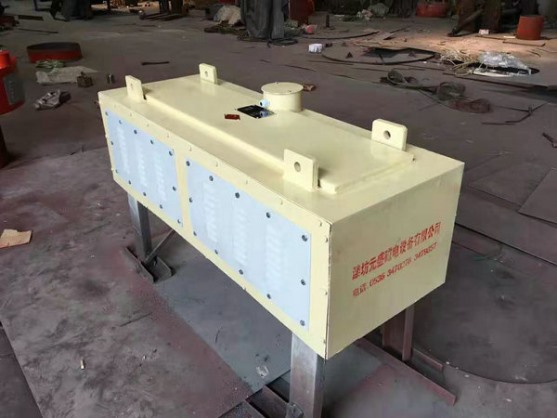
Step 1 — Freeze the configuration in the purchase order
Write the series and model, the magnetic parameter with its unit (Gauss or mT), the electrical supply (AC380V 50Hz three-phase four-wire for YSDC), the housing material, the protection grade, the temperature class and any application-specific condition such as FDA compliance or explosion-proof certification. Record every customisation value — field strength, size, voltage, material, logo, colour — because those values define what a future spare part must match.
Step 2 — Convert the order into acceptance entries
Each entry needs three parts: the parameter, the method of checking, and the record produced. Dimensional entries such as belt width, suspension height and material thickness are checked against the installation drawing. Electrical entries are checked against the data plate and the control cabinet documentation. Magnetic entries are checked against the stated design range for the model ordered.
Step 3 — Confirm pre-shipment inspection
Quality control is documented as 100% inspection before shipment. Ask for the inspection record to reference the same acceptance entries agreed in Step 2, so that the factory record and the site record use one vocabulary.
Step 4 — Verify the installation envelope at commissioning
For suspended units, confirm the rated suspension height and maximum material thickness are respected, and that belt speed stays within the applicable limit — ≤2.5 m/s for RCDD, ≤4.5 m/s for RCYP-Ⅱ. For dry powder systems, confirm the feed matches the adaptation envelope: 8–120 mesh, nonmagnetic, dry, iron content below 1%. Equipment installed outside its envelope will underperform regardless of after-sales response time.
Step 5 — Set the maintenance calendar from design features
Build the calendar around the three groups above: cooling circuit and oil temperature records for YSDC / YSDCG; belt tracking, scraper and bearing sealing for RCDD and RCYP-Ⅱ; surface strength and seal condition for bars and grates. Add the cleaning cycle: the YSDCG states a cleaning time of 10 seconds for one-time iron discharge, with the magnetic cavity in a vibrating state.
Step 6 — Register the escalation path
Record one remote-support contact, one spare-parts contact and the warranty start date. With a 12-month warranty, the start date determines which claims fall inside the covered period, and it should be the commissioning date recorded in Step 4.
Use Cases: Where Acceptance and Maintenance Planning Differ
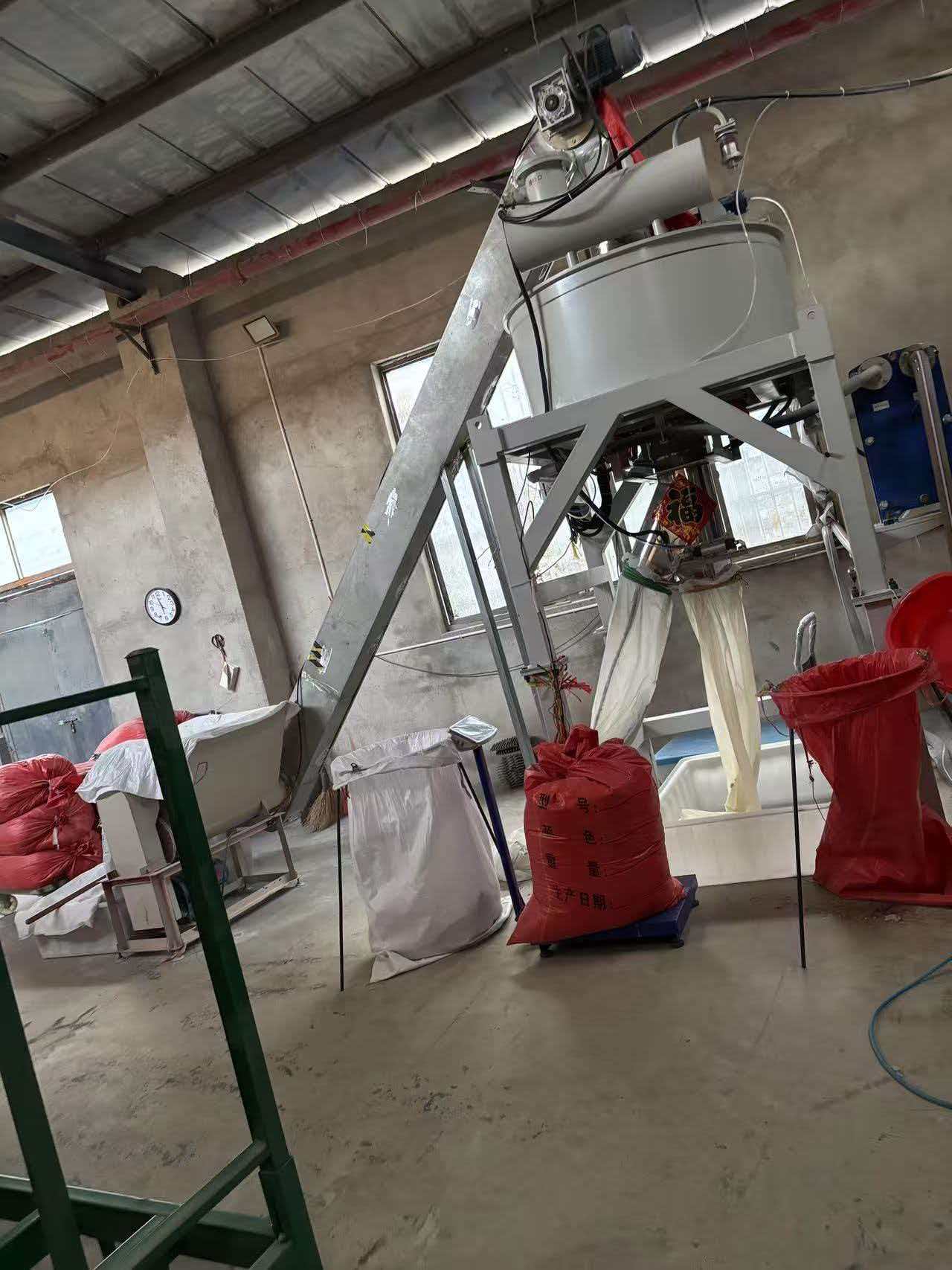
Lithium battery material lines. Where the requirement sits at 16,000–20,000 Gauss, the acceptance conversation centres on the YSDCG working-chamber field, the excitation power, and the cooling state. Maintenance centres on oil temperature history and matrix condition, since a blinded matrix reduces effective field without producing an obvious alarm. Documented customer experience in battery material processing includes installations running for three years with iron content held below 5 ppm.
Ceramic, glaze and quartz operations. Acceptance centres on the feed envelope and the achievable removal rate. Documented cases include a ceramic processor running five units for two years with iron removal above 98%, and a quartz sand plant running four units for 1.5 years with impurity levels below 10 ppm.
Cement, coal and metallurgy conveyor lines. Acceptance centres on belt width, suspension height, material thickness and belt speed for RCDD and RCYP-Ⅱ units. Maintenance centres on belt tracking, scraper wear and bearing sealing. Documented cases include a foundry operating six units for four years and a steel plant operating ten units for five years with recovery improved by 15%.
Comparison Table: Documented Reference Points by Separator Family
| Family | Type | Documented magnetic parameter | Documented cooling / drive | Documented control or cleaning feature | Where acceptance attention goes |
|---|---|---|---|---|---|
| YSDC / YSDCG | Dry electromagnetic powder iron removal system | 16,000–20,000 Gauss design range; YSDCG 18,000–20,000 Gauss in working chamber | Class H electromagnetic coil; transformer oil with forced oil circulation water cooling | PLC intelligent control, colour touch screen, oil temperature monitoring with automatic alarm and shutdown; 10-second discharge (YSDCG); vibrating magnetic cavity | Cooling circuit condition, oil temperature records, matrix cleanliness, feed envelope |
| RCDD | Self-cleaning disc electromagnetic separator, suspended | ≥60–73 mT | Class F+ 100% copper coil, resin-potted, fully sealed; corrugated heat-dissipation housing; gear motor drive ≤1.5–5.5 kW | Wear-resistant rubber belt, drum-shaped self-aligning roller, fully sealed bearing housing; belt speed ≤2.5 m/s | Suspension height versus material thickness, belt tracking, bearing sealing |
| RCYP-Ⅱ | Self-cleaning permanent separator, suspended | ≥60–72 mT | NdFeB rare earth permanent magnet; no excitation supply; gear motor drive ≤1.5–7.5 kW | Wear-resistant belt with discharge scraper, drum-shaped self-aligning roller, fully sealed cast steel bearing housing; belt speed ≤4.5 m/s | Belt and scraper wear; no coil or cooling checks required |
| Magnetic bar / grate | Manual or in-line permanent magnetic element | 3,000–14,000 GS (common 8,000 / 10,000 / 12,000 GS) | None; NdFeB permanent magnet in 304/316L tube | 1–5 layers, Φ25 / Φ32 / Φ50 mm bars, IP54; ≤80 °C standard, ≤200–350 °C high-temperature type | Surface strength verification, seal condition, temperature class |
Values as documented for the listed families. Acceptance entries must reference the specific model ordered; parameters not stated in the order specification are outside the acceptance scope.
FAQ
1. What documentation should be in the acceptance file for compliance and import clearance?
The acceptance file should contain the order specification with every customisation value recorded, the pre-shipment inspection record, the electrical data plate information (for YSDC systems, AC380V 50Hz three-phase four-wire), and the material declaration for wetted or product-contact parts (SUS304 or SUS316L where specified). Application-specific conditions — IP65/IP67 protection, FDA compliance for food and pharmaceutical use, explosion-proof certification for chemical and coal industries, high-temperature oil cooling or heat-resistant magnets, sanitary easy-clean design — belong in the file only when they were written into the order. For import, HS Code 847410 is the primary classification code for magnetic separators in global trade. Nothing outside those documents should be assumed at acceptance.
2. What does after-sales support actually include, and who carries out maintenance?
The documented after-sales scope is remote support, spare parts supply and a 12-month warranty. Remote support is most effective on the YSDC and YSDCG systems, where PLC intelligent control and real-time oil temperature monitoring already generate the data needed to interpret a fault; on RCDD and RCYP-Ⅱ units the diagnostic inputs are mechanical — belt tracking, scraper condition and bearing sealing. Routine inspection and cleaning are carried out by the operator, following a calendar set at commissioning from the machine's design features. Field intervention, where required, is a separate commercial arrangement and should be agreed in writing rather than assumed from the warranty.
3. Which commercial terms should be fixed before ordering?
Four terms are documented and can be planned around: minimum order quantity of 1 unit, production lead time of 30–45 days, monthly capacity of 300 units, and a 12-month warranty. Customisation is available through OEM/ODM across magnetic field strength, size, voltage, material, logo and colour, and each value should be recorded as part of the order. Terms that are not documented — payment schedule, freight allocation, installation labour and any extension of the warranty period — are not part of the standard scope and should be negotiated and written into the contract before production begins.
4. Can a single unit be run as a material trial before a full line commitment?
Yes, in commercial terms: the minimum order quantity is 1 unit, so a single-machine installation or pilot line is possible. The trial itself must be defined against the documented adaptation envelope for the YSDC series — fine powder or particles of 8–120 mesh, nonmagnetic material, dry feed, iron content below 1% — with the target purity written down before the run. The trial result should then be checked against the same acceptance entries used for a full order, so the pilot and the production line are measured with one method rather than two. Material that falls outside the stated envelope should be discussed before the trial, not after it.
5. How far ahead should delivery and spare parts be planned?
Plan on a 30–45 day production lead time against a monthly capacity of 300 units. The practical consequence for maintenance is that wear items — discharge belts, scrapers, seals and magnetic bars — should be ordered together with the machine where the process is abrasive or high-temperature, because a spare ordered after a failure starts a new 30–45 day cycle. With an export ratio of 65% across Asia-Pacific, North America, Europe, Africa, the Middle East, Latin America, Oceania and CIS / Central Asia, that lead-time gap, not the repair itself, is usually the longest part of a stoppage. To discuss a specific configuration, request a quotation or the current product catalogue, contact the team at ys@iron-separator.com or WhatsApp +86 155-5366-8212.
Conclusion
Long-term support for an industrial magnetic separator is built from three verifiable elements: an acceptance list tied to documented parameters, a maintenance calendar tied to the machine's design, and a spare-parts plan tied to the production lead time. Weifang Yuansheng Magnetic Electromechanical Equipment Co., Ltd. documents its after-sales scope as remote support, spare parts supply and a 12-month warranty, and manufactures across the YSDC and YSDCG dry electromagnetic powder systems, the RCDD self-cleaning disc electromagnets, the RCYB and RCYZ suspended permanent lines, the RCYP-Ⅱ self-cleaning permanent line, and manual magnetic bars and grates.
The most useful action a buyer can take is to convert the purchase order into acceptance entries before production starts. That single step removes most of the ambiguity that later becomes a support discussion.
Next Step
For the full product range, model tables and documented parameters, download the catalogue. For an acceptance list drafted against a specific separator configuration, send the process conditions — material, mesh size, belt width, suspension height and target purity — and the team will respond with the matching series and the parameters to verify at acceptance.
Catalogue: Download the Weifang Yuansheng product catalogue (PDF)
Email: ys@iron-separator.com · WhatsApp / Tel: +86 155-5366-8212 · Website: www.iron-separator.com

Have Questions or Need More Details?
Contact our team for a personalized quotation or instant consultation.
Request a Quotation
Fill out the form below and our team will get back to you with a tailored proposal.
WhatsApp Direct Chat
Prefer to chat in real-time? Message us on WhatsApp for instant assistance & quick answers.
- Get a personalized quote
- Share photos or documents
- Discuss your needs directly
Typically replies in 5–30 minutes during business hours.