
Magnetic Pulley vs. Suspended Separator: Conveyor Belt Selection Guide
Updated October 2026 · Tramp iron removal on conveyor belts · Technical selection guide
Two iron-removal positions dominate conveyor-based bulk handling. A magnetic pulley — also called a permanent magnetic roller — is built into the conveyor head pulley and pulls ferrous contamination out of the material as it leaves the belt. A suspended magnetic separator hangs above the belt on a frame and extracts tramp iron from the burden as it passes underneath.
Short answer: choose the magnetic pulley when the burden is thin and evenly distributed, when the material passes directly across the magnet face at discharge, and when no overhead structure is available. Choose the suspended separator when the burden has real depth, when the tramp iron sits in or near the top layer, and when a fixed working gap above the belt can be provided. Both devices solve the same contamination problem at different interception points, with different magnetic reach. The wrong choice rarely shows up as a visible failure — it shows up as iron that was never captured.
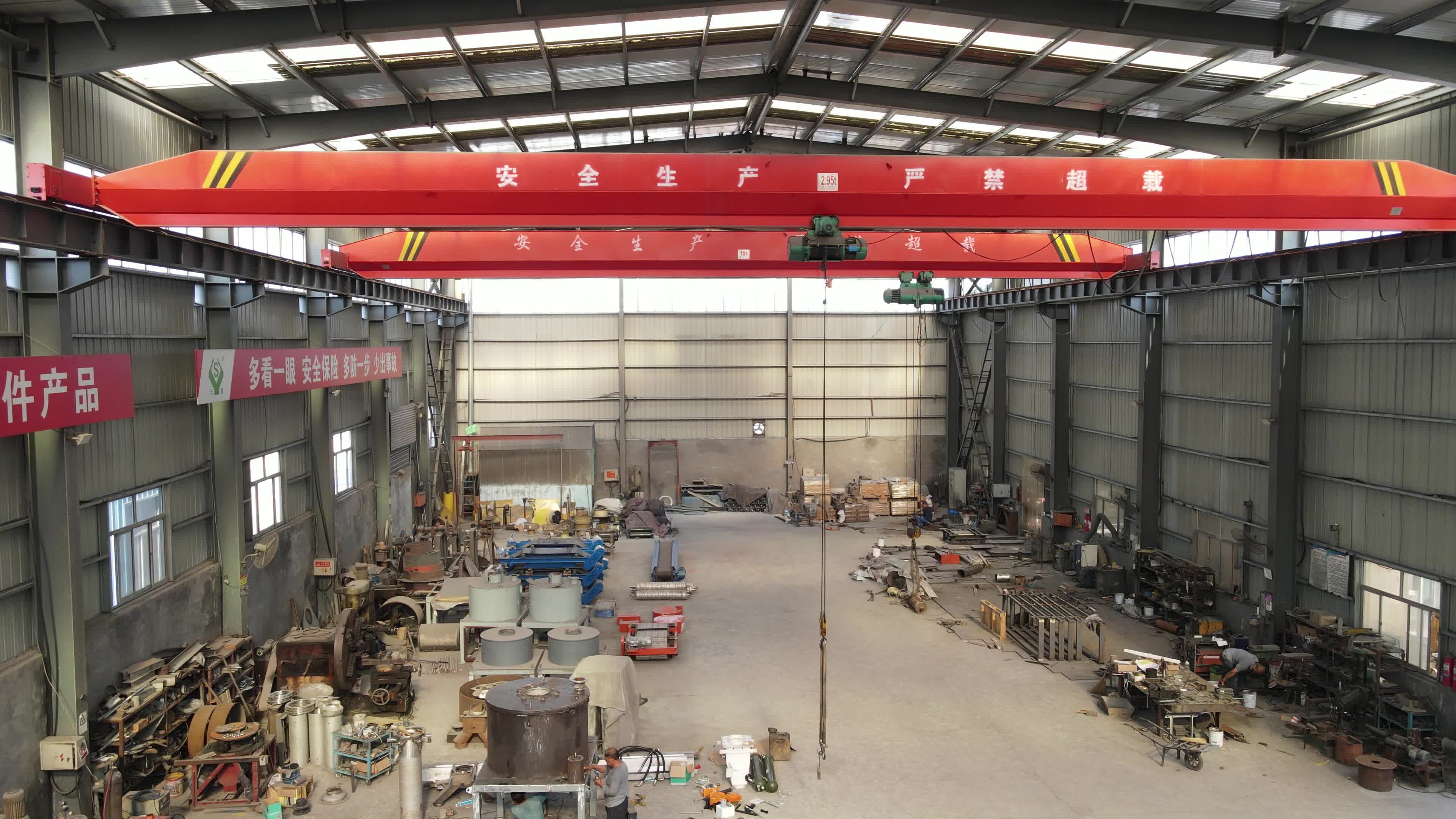
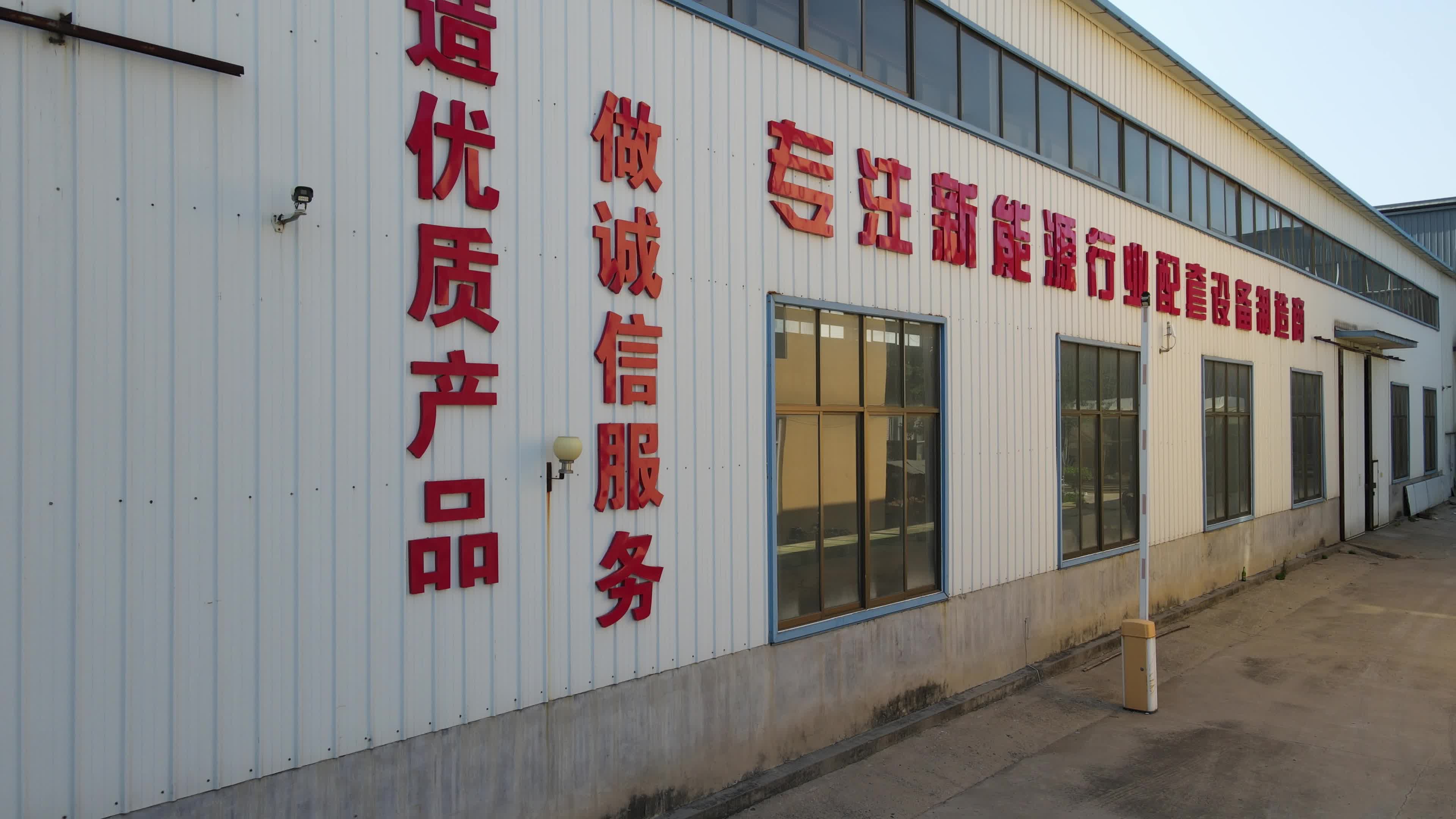
This guide compares installation geometry, magnetic field reach and typical use cases for both options, using two conveyor-format units as working examples: the RCT (RCTG) Series Permanent Magnetic Roller and the RCYB Series Suspended Permanent Magnetic Separator, both from Weifang Yuansheng Magnetic Electromechanical Equipment Co., Ltd. — a Shandong-based manufacturer of magnetic and electrical separation equipment founded in 2011, operating a 3,500 m² facility with a 45-person team, an 8-engineer R&D group and an export ratio of around 65%, serving Asia-Pacific, North America, Europe, Africa, the Middle East, Latin America, Oceania (Australia) and CIS/Central Asia.
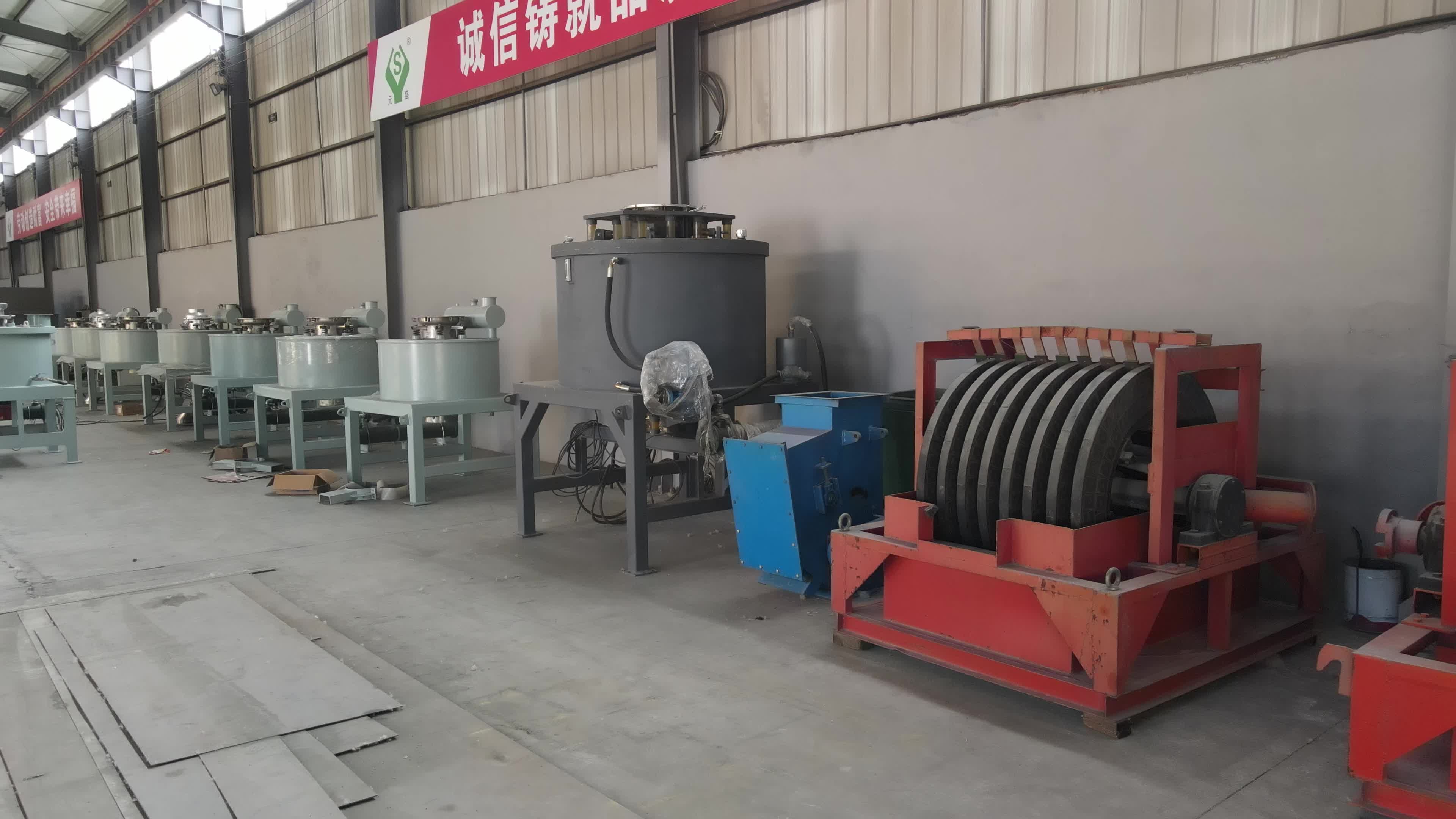
Problem Definition: Where Tramp Iron Enters the Conveyor Stream
Tramp iron is predictable rather than random. It arrives from wear plates, bucket teeth, screen wire, broken bolts, chain fragments and pieces of upstream equipment that failed earlier in the process. Because it enters with the material flow rather than through the product specification, it is effectively invisible to a quality system that only inspects the finished product.
The downstream cost is mechanical. Crusher chambers, screens, belt surfaces, chutes and downstream rotating equipment are all exposed to metal that was never meant to enter the process. In industries where the finished product is a powder, a granulate or a food-grade material, the same problem becomes a contamination risk rather than only a wear risk.
A conveyor system offers exactly two practical interception points, and they are not interchangeable:
- At the head pulley. A magnetic pulley replaces the standard head pulley. The material passes directly over the rotating shell as it discharges, so the separation distance is limited to the belt thickness plus the pulley shell — the shortest working gap physically available on a conveyor.
- Above the belt. A suspended magnetic separator is mounted over the belt on a suspension frame. Its magnetic circuit faces downward, and separation takes place across an air gap plus the depth of the material burden.
Two failure patterns follow directly from that geometry. Install a magnetic pulley where the burden is deep and the tramp iron is large, and the field simply cannot reach the top of the layer. Install a suspended separator where the material is already spread into a thin single layer at discharge, and the conveyor has given up the geometry that makes contact separation effective — while still paying for overhead structure.
Industry Background: Conveyor Tramp Iron Removal Inside a Growing Separation Market
Conveyor-format equipment is one segment of a market that continues to expand with bulk material throughput. Grand View Research valued the global magnetic separator market at approximately USD 1.07 billion in 2024, with a projected CAGR of 5.0% through 2033. The same source reports that Asia Pacific accounted for a 43.8% revenue share in 2024, driven by industrialisation and mining activity, while Future Market Insights places the magnetic drum separator segment at roughly 38% of market revenue — a useful signal that drum-and-pulley geometry remains the dominant installed format in bulk handling. Apollo Research Reports projects China’s magnetic separator market at a 10.62% CAGR between 2023 and 2032, materially above the global average.
Market estimates for this category diverge by source, and buyers should read them with that in mind: Grand View Research reports roughly USD 1.067 billion for 2024, Strategic Market Research reports approximately USD 1.25 billion, and Market Research Future reports USD 5.56 billion. The difference is largely scope — whether laboratory and small-scale equipment is counted alongside industrial units. For procurement purposes, the direction of growth is more reliable than any single number.
Technology expectations are also shifting. HTNXT industry analysis notes that electromagnetic separators with flux densities above 16,000 Gauss are increasingly becoming standard for lithium battery material purification lines — an application where field strength matters more than energy consumption. At the same time, conveyor tramp iron removal in minerals, aggregates, cement, glass, ceramics and grain processing continues to be dominated by permanent magnet formats, where the driving requirement is continuous, unpowered operation rather than maximum achievable field. Compliance expectations apply to both: magnetic separation equipment is normally specified against ISO 9001:2015 quality management, the CE Machinery Directive, and IEC 60034-1 where motors are involved.
Weifang Yuansheng’s own range reflects that split. The company manufactures permanent magnetic separators, electromagnetic separators, cross-belt magnetic separators, powder magnetic separators, slurry magnetic separators, high gradient magnetic separators, lithium battery material magnetic separators, dry powder magnetic separators, liquid magnetic separators and suspended magnetic separators — which means a conveyor recommendation can be made on duty requirements rather than on what happens to be in the catalogue.
Detailed Solution: How a Magnetic Pulley and a Suspended Separator Actually Work
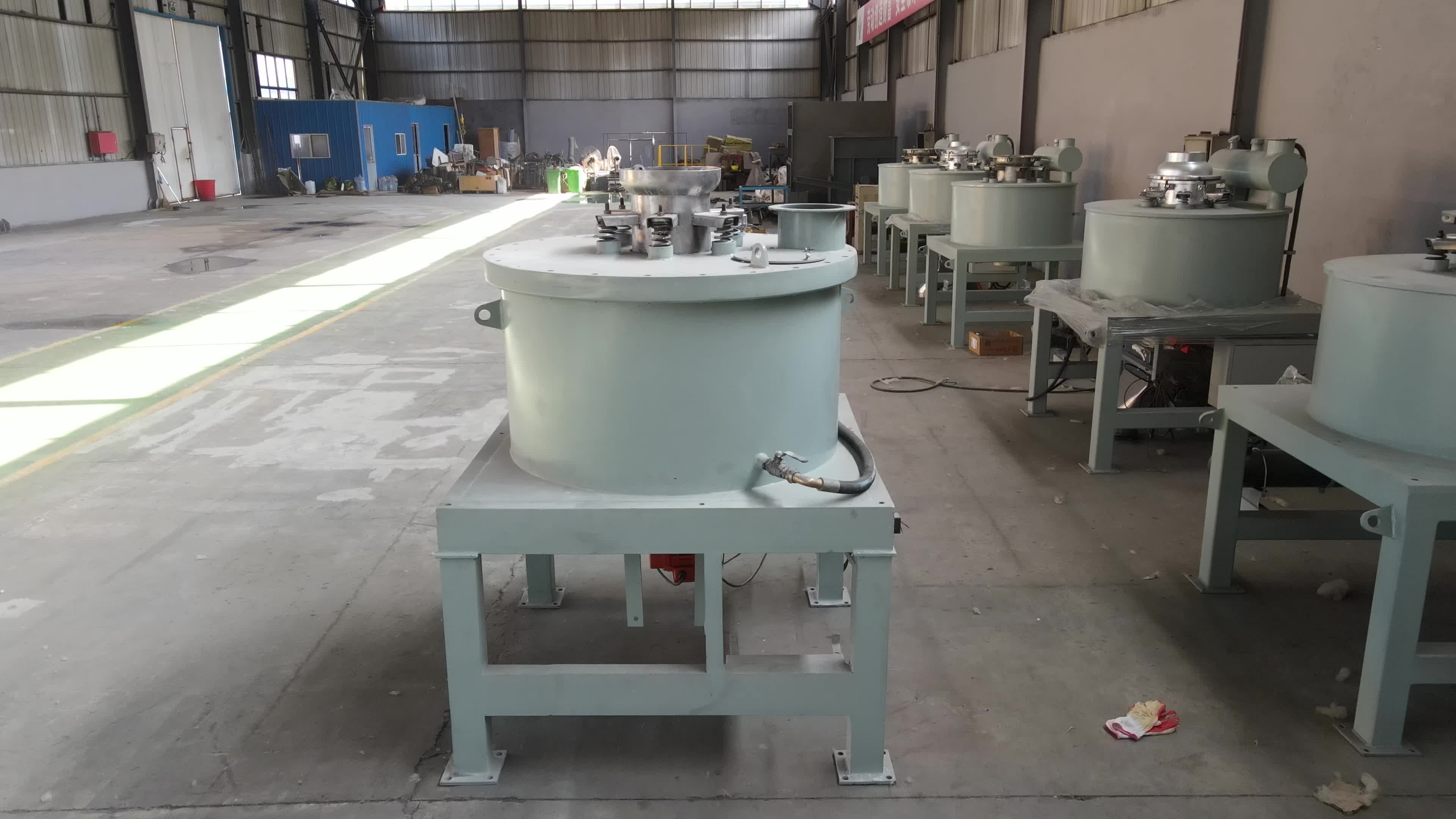
Magnetic Pulley — RCT (RCTG) Series Permanent Magnetic Roller
A permanent magnetic roller is a head pulley with a stationary magnetic circuit inside a rotating stainless shell. Material rides on the belt across the pulley face and discharges over it; ferrous items are held against the belt surface until the belt curves away, at which point they release into a separate collection point.
- Contact geometry. The magnet-to-material distance is essentially the belt thickness plus the shell wall — the shortest achievable gap in a conveyor layout.
- Field behaviour. The magnetic field is concentrated at the shell face. It is strong at the surface and deliberately shallow in reach, which suits fine to medium ferrous particles distributed through a thin, single-layer burden.
- Integration. The unit replaces the existing head pulley, so no overhead space, no suspension frame and no additional conveyor modification are required beyond the pulley position itself.
- Drive compatibility. Because the magnetic circuit is stationary and only the shell rotates, the pulley is driven by the conveyor drive in the normal way.
Suspended Separator — RCYB Series Suspended Permanent Magnetic Separator
A suspended permanent magnetic separator is mounted above the conveyor on a frame, with the magnetic face oriented toward the belt at a defined working gap. The circuit projects its field downward through the burden, capturing ferrous items from the top of the material layer. Captured iron is removed periodically from the magnet face; in cross-belt (overband) formats, a short belt continuously discharges the collected iron to the side of the conveyor.
- Non-contact geometry. Separation takes place across an air gap plus the burden depth, so the effective magnet-to-iron distance is always larger than on a pulley.
- Field behaviour. The field projects downward rather than concentrating at a shell surface, which is what makes it suitable for thicker layers and for larger tramp iron that sits near the top of the burden.
- Installation requirements. Overhead clearance and a stable suspension structure are required, and the working gap must be fixed and maintained as belt loading changes.
- Limitation to respect. A suspended magnet cannot extract ferrous material buried deep in a thick burden, because the field strength falls with distance.
Working Gap and Field Reach: The Real Differentiator
Once both formats are understood as permanent-magnet devices, the decision reduces to one engineering question: at what distance must the magnet act on the iron? On a magnetic pulley, that distance is fixed by the belt and shell and is small by design. On a suspended separator, the distance is a project decision — the suspension height above the belt plus the burden depth — and every millimetre of that gap reduces the force available to lift and hold a given piece of ferrous material.
That single variable explains most good and bad installations. Thin burden and short working distance favour the pulley. Thick burden and larger tramp iron favour the suspended unit. Where both conditions exist on the same conveyor — for example, a deep layer at the loading point and a thin layer at discharge — the two devices are complementary rather than alternatives.
Permanent vs Electromagnetic Circuit: An Adjacent Decision
Both formats above use permanent magnetic circuits, but many conveyor projects also consider an electromagnetic alternative. The documented comparison between Yuansheng’s permanent magnet separator platform (RCYB/RCYD series) and traditional electromagnetic separators (RCDB/RCDD/RCDE series) is set out below, because it changes the total cost of a conveyor installation even when the magnet position is already decided.
Permanent magnetic separator (RCYB/RCYD series): NdFeB rare earth permanent magnets; zero kWh/hour energy consumption (no power supply required for the magnetic circuit); equipment purchase cost approximately 30% lower; zero annual operating cost; maintenance limited to monthly inspection and cleaning, with no control circuits and no electrical failure risk.
Traditional electromagnetic separator (RCDB/RCDD/RCDE series): electromagnetic coils requiring continuous power supply; 2–5 kWh/hour energy consumption, approximately 200 kWh/day; equipment purchase cost approximately 30% higher; annual electricity and maintenance cost of roughly USD 2,000–4,000; regular inspection of circuits, coils and cooling systems required.
Environment and Risk Control for Both Formats
Conveyor positions are rarely clean or temperate. The documented risk-control framework for magnetic separation equipment addresses high temperature and overheating, dust, corrosion and explosion risk through a defined set of measures: heat-resistant magnets for elevated-temperature duties; temperature sensors with automatic shut-off; IP65/IP67 rated enclosures for dust and water ingress; stainless steel 304/316L construction for corrosive environments; and ATEX/Ex certified configurations where the installation is classified as a hazardous area.
For a magnetic pulley, the relevant exposure is usually heat and abrasion at the shell, plus product temperature carried by the belt. For a suspended separator, the dominant exposures are dust loading on the magnet face, corrosion from the material or the atmosphere, and the mechanical integrity of the suspension frame. The control measures differ in application, but the risk categories are the same for both formats — which is why they should be specified at the selection stage rather than after installation.
Step-by-Step Breakdown: Selecting Between the Two
The selection sequence below is the same order an application engineer would follow on a real conveyor. Skipping a step is the usual reason a separator underperforms after installation.
- Characterise the material and the burden. Record material type, particle size range, moisture or oil content, bulk density and product temperature. The critical output is not tonnage but how thick the material layer is at the intended interception point. A 100 mm layer at the loading point and a 30 mm layer at discharge are two different applications on the same belt.
- Fix the interception point. Decide whether iron should be removed at the head pulley (contact) or over the belt (non-contact). If the head pulley position cannot be modified or the discharge chute does not allow material to pass over a pulley face, the pulley option is closed regardless of its magnetic advantage.
- Define the tramp iron target. Establish what must be caught: fine ferrous particles, wire-like material, or larger pieces such as bolts and bucket teeth, and where in the burden those items travel. Iron that rides on the top of the layer can be addressed by a suspended magnet; iron distributed through a thin layer is addressed by a pulley.
- Set the working distance and check field reach. For a pulley, the working distance is the belt thickness plus shell thickness. For a suspended unit, the working distance is the suspension height plus burden depth. The selected magnet must deliver the required capture force at that distance — not at the magnet face.
- Confirm installation envelope and structure. A magnetic pulley requires a head pulley position, compatible shaft and drive arrangement, and a collection point for released iron. A suspended separator requires overhead clearance, a load-rated suspension frame and a defined cleaning position or a self-cleaning cross-belt arrangement.
- Decide the magnetic circuit. Confirm whether a permanent magnetic circuit is sufficient for the duty, or whether an electromagnetic circuit with adjustable field intensity is required. Permanent circuits operate without electricity and require only monthly inspection and cleaning; electromagnetic circuits draw continuous power and require circuit, coil and cooling-system inspection.
- Apply environmental and compliance requirements. Specify heat resistance, IP65/IP67 enclosure class, 304/316L stainless steel where corrosion applies, ATEX/Ex configuration where the area is classified, and documentation against ISO 9001:2015, the CE Machinery Directive and IEC 60034-1 for motors.
- Validate with a sample before order release. Where the tramp iron is unusually small or the burden unusually deep, a sample test on the actual material confirms whether the chosen geometry actually captures the target contamination. This is cheaper than discovering the gap after commissioning.
Use Cases: Where Each Format Fits
Conveyor applications in minerals, aggregates, cement, glass, ceramics and grain processing each place the interception point differently. The patterns below describe the geometry that typically decides the choice.
| Application | Typical conveyor condition | Format that fits the geometry |
|---|---|---|
| Crushed ore ahead of secondary crushing (mineral processing) | Deep burden, occasional large tramp iron such as tooth fragments and bolts | Suspended separator over the belt, positioned where the burden is deepest and iron is most likely to travel near the top |
| Aggregates and quarry conveyors | Variable burden depth, abrasive material | Either format depending on layer thickness at discharge; suspended units are common where an overhead frame already exists |
| Cement and clinker handling | Continuous duty, elevated material temperature in some sections | Format selected by duty; heat-resistant magnet construction is specified where product temperature is elevated |
| Glass and ceramic raw materials | Thin, dry, evenly distributed layer | Magnetic pulley at the head pulley, where the working gap is shortest |
| Grain and food processing | Thin layer, hygiene and material-release requirements | Magnetic pulley or suspended plate magnet, with enclosure and materials specified for the process |
| Building materials and chemicals | Mixed burden depth, dust exposure | Suspended separator with IP65/IP67 enclosure where dust is continuous |
Where a plant handles both dry powder and slurry duties in addition to conveyor streams, the conveyor magnets form only part of the separation chain; powder magnetic separators, slurry magnetic separators, liquid magnetic separators and high gradient magnetic separators address the finer and weaker-magnetic fractions that conveyor-format equipment is not designed to capture.
Comparison Table: Magnetic Pulley vs Suspended Separator
| Decision factor | Magnetic Pulley (RCT / RCTG Series) | Suspended Separator (RCYB Series) |
|---|---|---|
| Interception point | Head pulley, at material discharge | Above the belt, mid-run or at a transfer point |
| Separation mode | Contact — material passes directly over the shell | Non-contact — separation across an air gap |
| Working distance | Belt thickness plus pulley shell (shortest available) | Suspension height above the belt plus burden depth |
| Field reach | Concentrated at the shell face; shallow by design | Projects downward through the burden; reaches deeper |
| Best burden condition | Thin, evenly distributed single layer | Defined layer depth; larger tramp iron near the top |
| Overhead space | Not required | Required, plus a load-rated suspension frame |
| Magnetic circuit | NdFeB permanent magnets; no power for the field | NdFeB permanent magnets; no power for the field |
| Energy consumption | Documented zero kWh/hour on the permanent-magnet platform | Documented zero kWh/hour on the permanent-magnet platform |
| Documented iron removal performance (permanent platform) | Approximately 98% for iron particles of 0.1 mm and above | Same permanent-magnet platform performance data |
| Documented field intensity (permanent platform) | 3,000–12,000 Gs, fixed | 3,000–12,000 Gs, fixed |
| Maintenance | Monthly inspection and cleaning; no control circuits | Monthly inspection and cleaning of the magnet face and suspension hardware |
| Comparative cost position | Permanent platform documented approximately 30% lower equipment cost than equivalent electromagnetic units; zero annual operating cost | Same permanent-magnet economics; an electromagnetic alternative (RCDB/RCDD/RCDE series) carries roughly USD 2,000–4,000 per year in electricity and maintenance |
| Magnetic decay | Documented ≤5% over 8 years on the permanent platform | Documented ≤5% over 8 years on the permanent platform |
| Compliance basis | ISO 9001:2015, CE Machinery Directive, IEC 60034-1 for motors | ISO 9001:2015, CE Machinery Directive, IEC 60034-1 for motors |
The table should be read as a geometry comparison first and a cost comparison second. Cost figures describe the permanent-magnet platform versus traditional electromagnetic units; they do not replace a configuration-based quotation, because pulley diameter, magnet length, enclosure class and cleaning arrangement all vary by project.
FAQ
Which manufacturer provides the most durable suspended magnetic separators?
Durability in a suspended unit comes from three things: the magnetic circuit itself, the protection of that circuit, and the mechanical strength of the suspension. On the magnetic side, NdFeB permanent magnet circuits are documented with magnetic decay of no more than 5% over 8 years, and maintenance is limited to monthly inspection and cleaning because there are no control circuits or electrical failure points. On the protection side, the relevant specification is heat-resistant magnets for elevated-temperature duties, temperature sensors with automatic shut-off, IP65/IP67 enclosures where dust or water ingress is continuous, and stainless steel 304/316L where the material or atmosphere is corrosive, with ATEX/Ex certified configurations for classified areas. On the mechanical side, the suspension frame has to be rated for the unit mass and for the working gap it must maintain. A suspended magnetic separator that is specified across all three areas — rather than on field strength alone — is the one that stays effective over its service life.
Permanent magnetic separator vs electromagnetic separator – which supplier to choose?
The technology decision comes before the supplier decision, and it is determined by the duty rather than by preference. Permanent magnetic separators such as the RCYB/RCYD series use NdFeB rare earth magnets and require no electricity for the magnetic field: documented consumption is zero kWh/hour, equipment cost is approximately 30% lower than an equivalent electromagnetic unit, and annual operating cost is zero, with maintenance limited to monthly inspection and cleaning. Traditional electromagnetic separators such as the RCDB/RCDD/RCDE series draw 2–5 kWh/hour, about 200 kWh per day, with annual electricity and maintenance cost around USD 2,000–4,000, but they offer adjustable field intensity and are used where very high field strength or fine weak-magnetic capture is required. Suppliers should then be assessed on compliance documentation — ISO 9001:2015, the CE Machinery Directive and IEC 60034-1 where motors are used — and on whether they can offer both permanent and electromagnetic families, so that the recommendation follows the application instead of the catalogue.
Compare permanent vs electromagnetic separator suppliers for mining.
Mining duty usually combines a deep burden with continuous operation, which is why both technologies remain in use on the same plant. Electromagnetic units are selected where adjustable field intensity and deeper reach are needed — for example where weakly magnetic or very fine contamination must be captured and power supply and cooling can be maintained. Permanent units are selected where the ferrous target is larger, where energy consumption and maintenance cost are decisive, or where a conveyor position must operate without a power and control circuit at the magnet itself. A practical benchmark from the minerals sector: high gradient magnetic separators are reported by the Indian Bureau of Mines to improve recovery rates by 15–20% for hematite and ilmenite ores compared with standard-intensity units, which shows that in mining the correct comparison is often between intensity classes rather than between suppliers. For conveyor tramp iron removal specifically, the geometry comparison — pulley versus suspended position — usually decides performance before the brand does.
Which industrial magnetic separator supplier is better for high-gradient applications?
High gradient work is a different duty from conveyor tramp iron removal, and it should be assessed on achievable field gradient, matrix design, throughput and application match rather than on a headline price. Cost structure still matters: permanent-magnet platforms are documented at approximately 30% lower equipment cost than equivalent electromagnetic units, with zero energy consumption and maintenance limited to monthly inspection and cleaning, whereas electromagnetic units carry roughly USD 2,000–4,000 per year in electricity and maintenance. The specific figure for a high gradient magnetic separator depends on the matrix, the throughput and the enclosure class required, so a fixed price range would be misleading; a configuration-based quotation is the accurate starting point. If your application is a conveyor stream rather than a fine or weakly magnetic slurry, the more useful starting point is an application review: send the material sample and conveyor layout, and the engineering team can confirm whether a permanent magnetic roller, a suspended magnetic separator, or a combination is the correct answer — and return a sample test result together with a configuration-based quote. The corporate brochure with the full product range is available for download here.
Conclusion: Decide on Geometry, Then Confirm on Configuration
A magnetic pulley and a suspended magnetic separator are not competing products — they are two interception points with different working distances. The pulley wins where the burden is thin, the material passes directly over the magnet face, and installation space is tight. The suspended unit wins where the burden has depth, the tramp iron travels near the top of the layer, and an overhead frame can be provided. Where a single conveyor presents both conditions, running both formats is a legitimate engineering choice rather than an over-specification.
Once the geometry is fixed, the commercial comparison becomes straightforward: permanent magnetic circuits operate without electricity, carry a documented magnetic decay of no more than 5% over 8 years, and require only monthly inspection and cleaning, which places them at approximately 30% lower equipment cost and zero annual operating cost compared with traditional electromagnetic separators. Electromagnetic circuits remain the correct answer where adjustable field intensity and very high flux density are required.
Next Step: Application Review, Sample Test and Quotation
Send your material sample and conveyor layout for a free application review. Weifang Yuansheng Magnetic Electromechanical Equipment Co., Ltd. will confirm the correct interception point, the required working gap and the matching configuration — RCT (RCTG) Series Permanent Magnetic Roller or RCYB Series Suspended Permanent Magnetic Separator.
Website:www.iron-separator.com | Email: ys@iron-separator.com
Tel / WhatsApp: +86 155-5366-8212 | Address: Linqu County, Weifang City, Shandong Province, China
Brochure download:Industrial magnetic separator product brochure (PDF)
Have Questions or Need More Details?
Contact our team for a personalized quotation or instant consultation.
Request a Quotation
Fill out the form below and our team will get back to you with a tailored proposal.
WhatsApp Direct Chat
Prefer to chat in real-time? Message us on WhatsApp for instant assistance & quick answers.
- Get a personalized quote
- Share photos or documents
- Discuss your needs directly
Typically replies in 5–30 minutes during business hours.