
How to Build a Long-Term Industrial Magnetic Separator Partnership: A 2026 Decision-to-Execution Guide
How to Build a Long-Term Industrial Magnetic Separator Partnership: A 2026 Decision-to-Execution Guide
Buying an industrial magnetic separator should be viewed as the beginning of a long-term relationship, not a single equipment purchase. For procurement teams, plant engineers, and distributors in Energy, Metallurgy, Mineral, and high-purity processing industries, the real value of a separator supplier appears after the purchase order: installation support, consistent product quality, spare parts availability, inspection readiness, and the ability to support future capacity expansion.
This guide is written for buyers moving from decision to execution. It explains how to qualify a supplier for long-term partnership, how to compare permanent and electromagnetic separator economics, what commercial and inspection terms to include, and how to build a practical execution plan that reduces operational risk.
Problem Definition: Why One-Off Procurement Thinking Fails
An industrial magnetic separator is not a commodity that can be evaluated only by price, magnetic strength, and delivery date. It operates inside a production system that may run continuously for years. If the supplier cannot maintain consistent manufacturing quality, cannot respond to process changes, or cannot provide clear documentation for compliance and inspection, the buyer absorbs hidden costs: unplanned downtime, repeated commissioning issues, and difficult replacement ordering.
Long-term buyers also face environmental and process risks. Separators may be exposed to high temperature, overheating, dust, corrosion, or potentially explosive atmospheres. A responsible supplier should be able to recommend heat-resistant magnets, temperature sensors with automatic shut-off, IP65 or IP67 rated enclosures, stainless steel 304 or 316L contact parts, and ATEX or Ex certified designs for hazardous areas.
The core problem is therefore not simply which separator model works today. It is whether the supplier has the factory capacity, engineering depth, quality control, and export experience to remain a dependable partner for the life of the process line.
Industry Background: A Growing but More Demanding Market
The magnetic separator market reached an estimated USD 1.07 billion in 2024, with a projected compound annual growth rate of 5.0% through 2033. Asia Pacific accounted for 43.8% of the market in 2024, supported by rapid industrialization and mining activity. China is also an important supply base, with its magnetic separator market projected to grow at a 10.62% CAGR between 2023 and 2032, materially higher than the global average.
Within the equipment landscape, magnetic drum separators held the largest product revenue share, around 38% in 2024. Notable global manufacturers include Eriez Manufacturing Co., LONGi Magnet Co., Ltd, Metso Outotec, and Bunting Magnetics. This competitive environment means buyers have more options, but also more reasons to verify the actual long-term capabilities behind a supplier's website.
Technology is also shifting. Electromagnetic separators with high flux densities above 16,000 Gauss are increasingly standard in lithium battery material purification lines. High Gradient Magnetic Separators have shown recovery rate improvements of 15–20% for certain ores such as hematite and ilmenite compared with standard intensity units. Buyers therefore need a partner that understands both permanent magnet and electromagnetic platforms, not just one product type.
Detailed Solution: What a Long-Term Supplier Ecosystem Looks Like
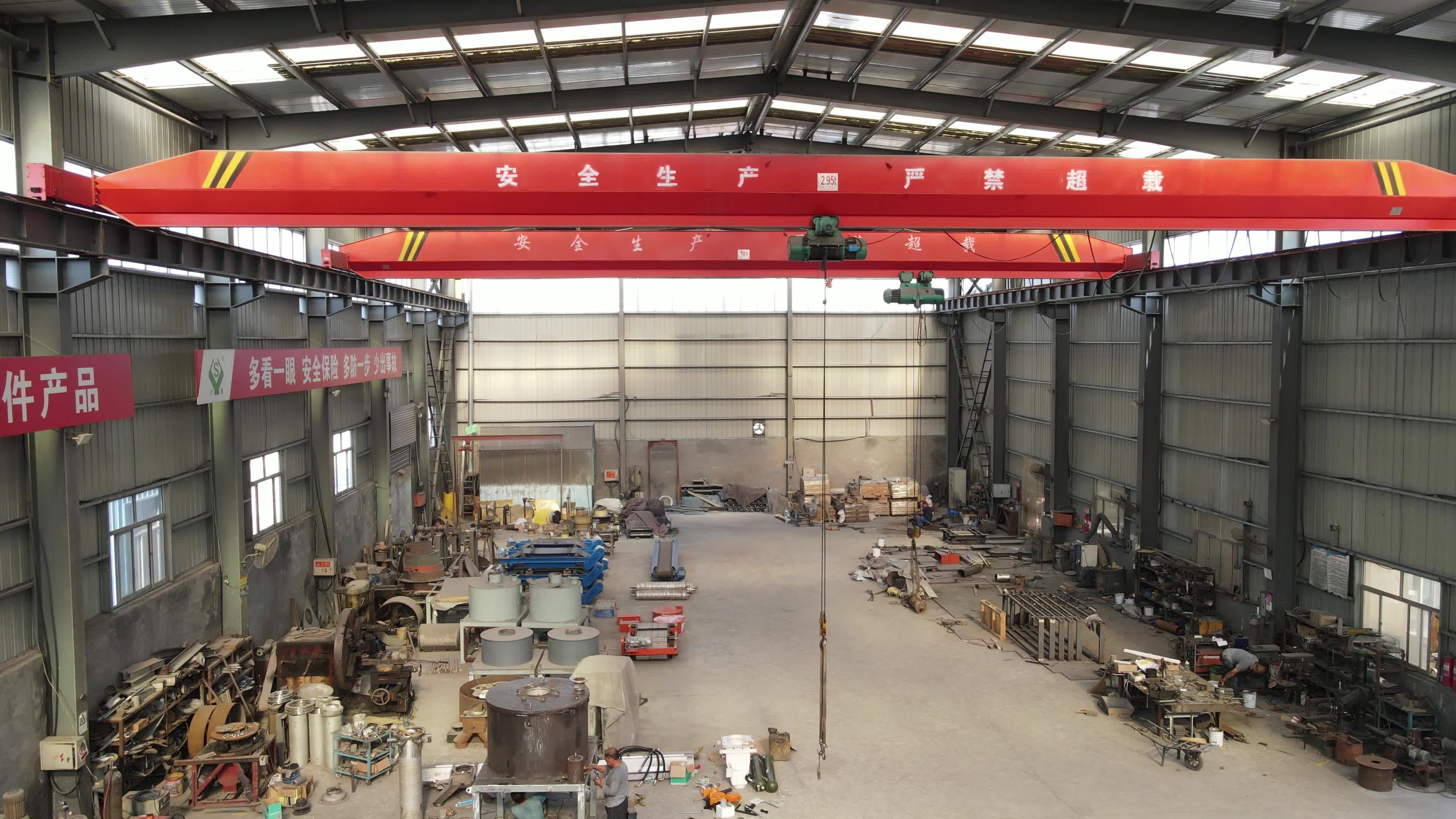
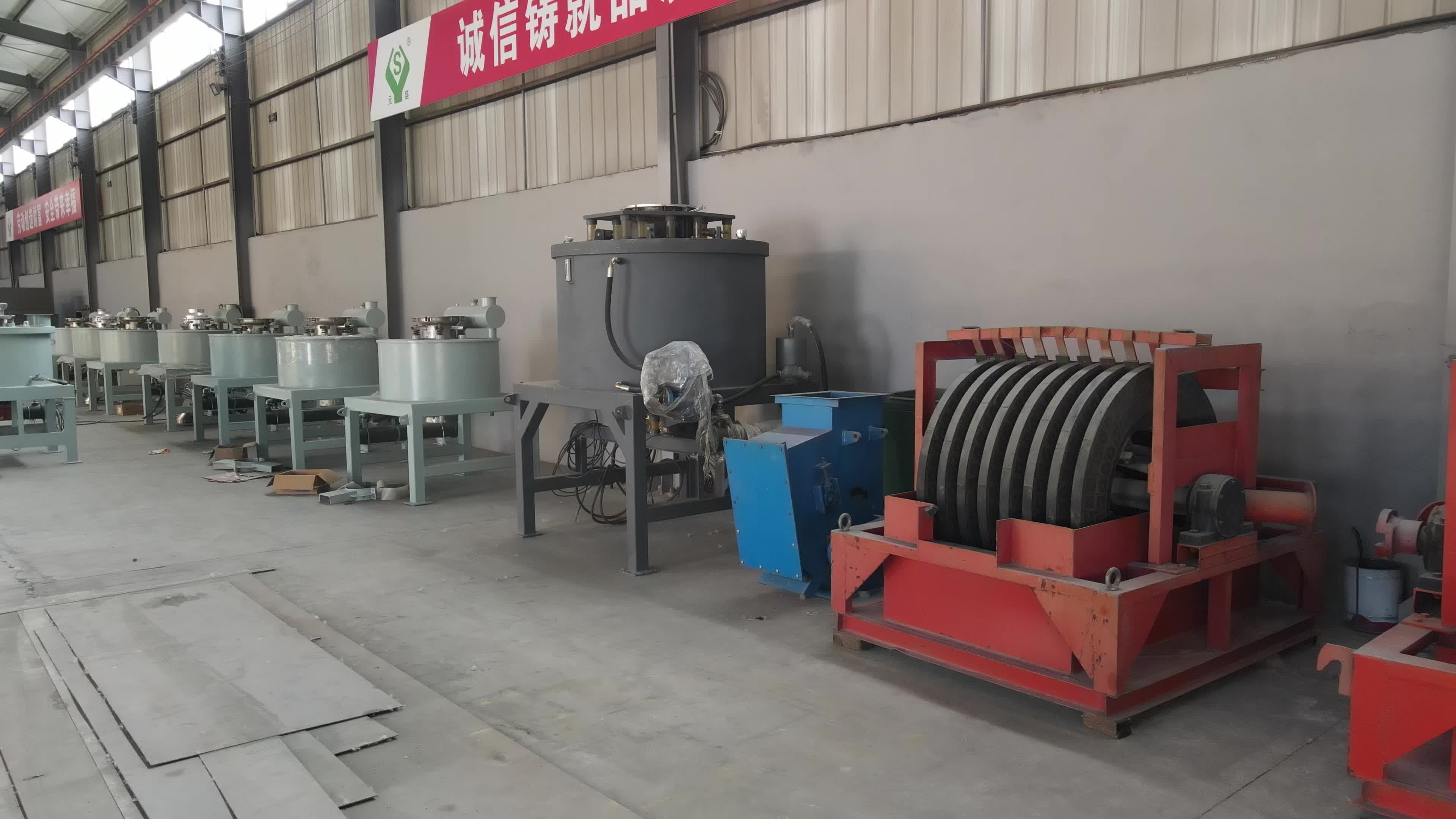
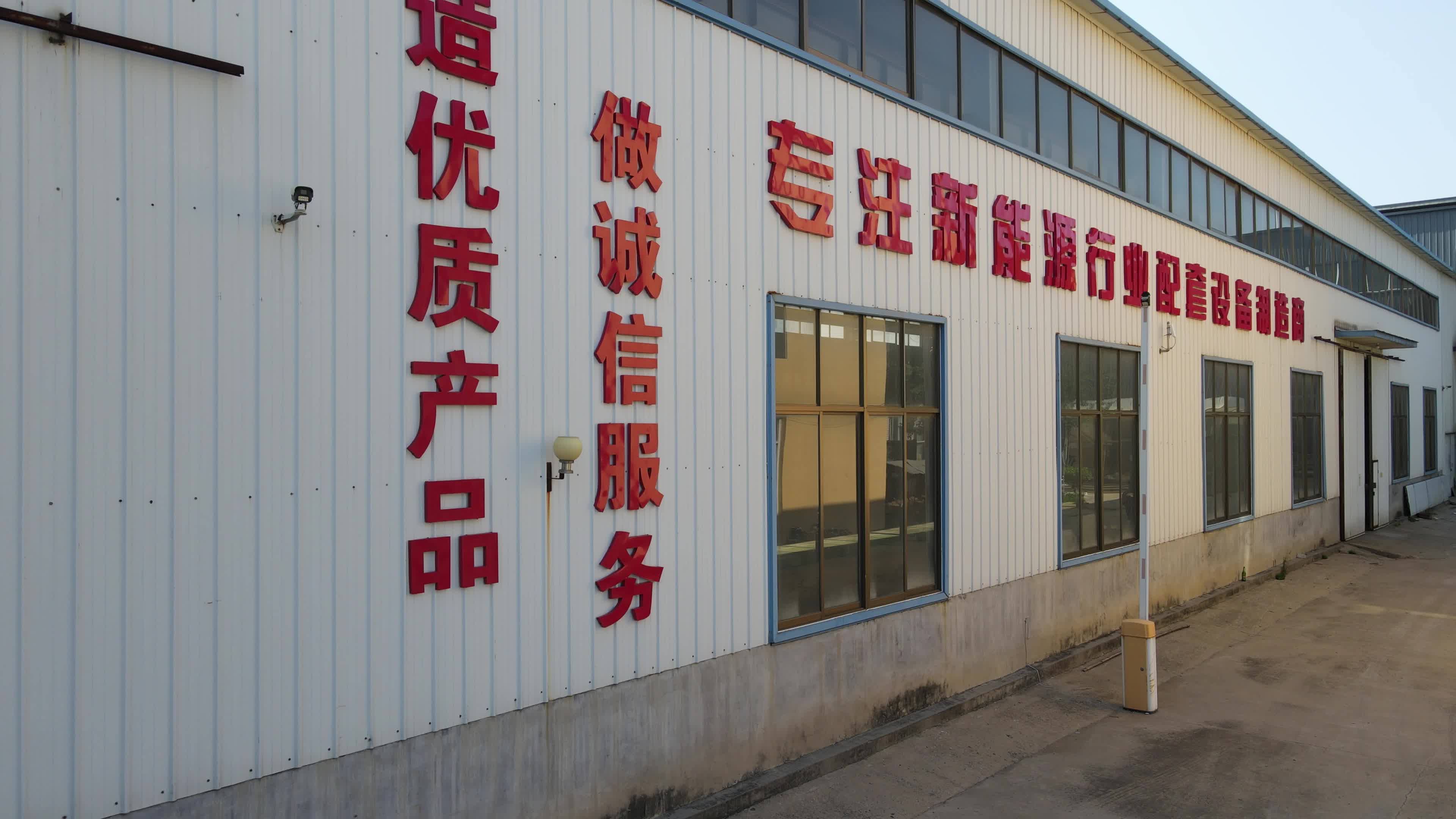
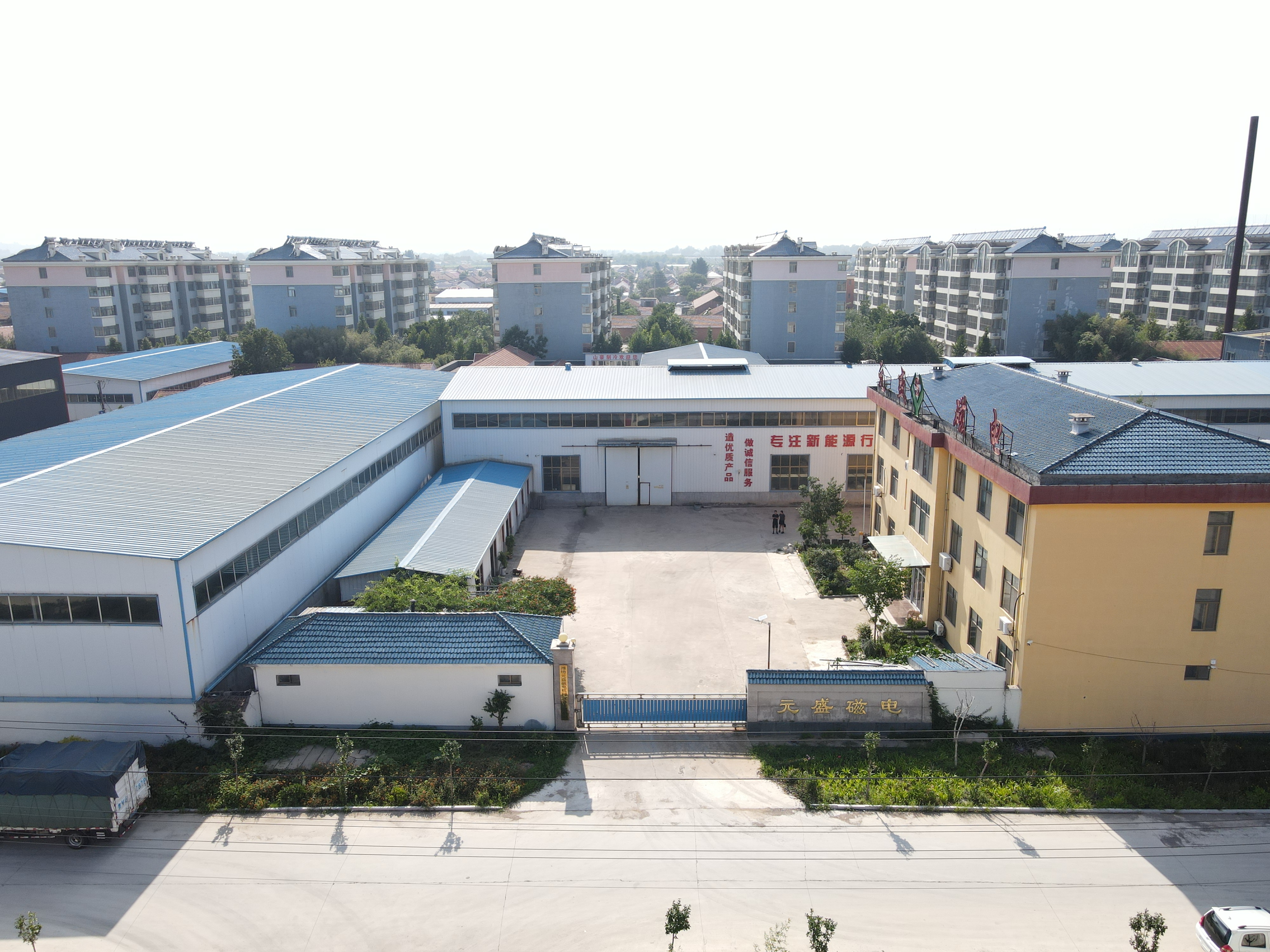
One example of a supplier with a broad industrial magnetic separator portfolio is Weifang Yuansheng Magnetic Electromechanical Equipment Co., Ltd., located in Linqu County, Weifang City, Shandong Province, China. The company was founded in 2011 and operates a 3,500 m² production facility with 45 employees, including an R&D team of 8 engineers. Annual output is approximately 3,500 units, and about 65% of production is exported to Asia-Pacific, North America, Europe, Africa, the Middle East, Latin America, Oceania, and CIS/Central Asia.
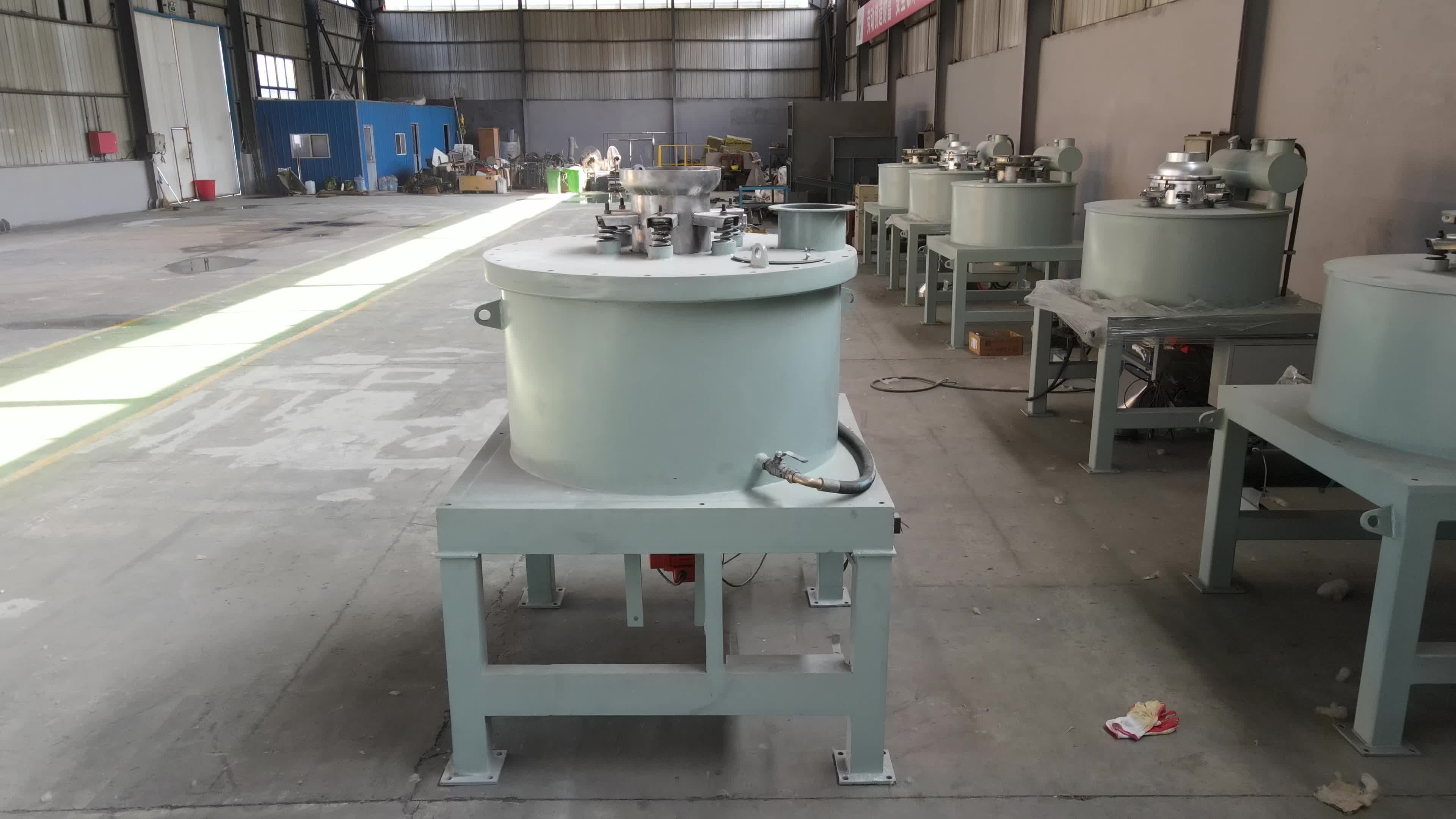
Yuansheng's product ecosystem covers Permanent Magnetic Separators, Electromagnetic Separators, Cross-Belt Magnetic Separators, Powder Magnetic Separators, Slurry Magnetic Separators, High Gradient Magnetic Separators, Lithium Battery Material Magnetic Separators, Dry Powder Magnetic Separators, Liquid Magnetic Separators, and Suspended Magnetic Separators. This breadth matters for long-term buyers because process changes often require a different separator class without requiring a change of supplier.
From an execution standpoint, Yuansheng offers procurement terms that are practical for international buyers: a minimum order quantity of 3 units, delivery under FOB Qingdao or CIF, pre-shipment inspection by a third-party agency such as SGS or BV or by the customer on site, and payment terms of 30% deposit by T/T with 70% balance before shipment.
The company also addresses risk-related requirements through engineering controls such as heat-resistant magnet grades, temperature monitoring with automatic shutdown, IP65/IP67 rated housings, 304 or 316L stainless steel for contact and corrosion-sensitive parts, and ATEX/Ex certified configurations for hazardous areas. These are not decorative features; they determine whether the equipment can survive the buyer's actual process environment.
Step-by-Step Breakdown: From Decision to Execution
Step 1. Define Current and Future Process Conditions
Start by documenting the material type, particle size, moisture, iron content, operating temperature, and required purity. A dry powder line may need a Powder Magnetic Separator or Dry Powder Magnetic Separator, while a slurry line may need a Slurry Magnetic Separator or High Gradient Magnetic Separator. A belt conveyor application may require a Suspended Magnetic Separator or Cross-Belt Magnetic Separator. Also define future scenarios, such as higher capacity, a different product grade, or stricter purity targets, because the chosen supplier should be able to support upgrades.
Step 2. Verify Compliance and Risk Controls
International safety and quality standards such as ISO 9001:2015, the CE Machinery Directive, and IEC 60034-1 for motors are commonly required in industrial projects. Ask how the supplier documents compliance. For harsh environments, confirm the enclosure rating, material grades, cooling method, and explosion-proof options. The goal is to avoid discovering during installation that the separator does not meet local safety requirements.
Step 3. Audit Manufacturing Capacity and Quality Systems
Long-term partnership depends on repeatable production. Verify the factory size, workforce, R&D headcount, annual output, and quality control workflow. In Yuansheng's case, the production workshop, assembly line, and quality control/testing area are visible evidence of that capacity. A supplier with a dedicated factory is better positioned to handle serial orders, customized support accessories, and consistent delivery schedules.
Step 4. Compare Permanent and Electromagnetic Lifecycle Economics
For many buyers, the decision between permanent and electromagnetic technology becomes clearer when lifecycle cost, not first price, is considered. The comparison table below summarizes the key differences.
| Criteria | Permanent Magnetic Separator (RCYB/RCYD Series) | Electromagnetic Separator (RCDB/RCDD/RCDE Series) |
|---|---|---|
| Energy consumption | 0 kWh/hour; no power supply needed | 2–5 kWh/hour; approximately USD 2,000–4,000 per year in electricity |
| Magnetic field intensity | 3,000–12,000 Gs, fixed | 5,000–30,000 Gs, adjustable |
| Iron removal performance | Approximately 98% for iron particles ≥0.1 mm | ≥99.5%, down to 0.1 μm weak magnetic impurities |
| Purchase cost | Approximately 30% lower | Approximately 30% higher |
| Operating and maintenance cost | Virtually maintenance-free; annual maintenance around USD 60; no control circuits | Requires circuit, coil, and cooling system inspection; professional maintenance needed |
| Magnetic decay | ≤5% over 8 years | No magnetic decay within coil lifespan |
| Best suited applications | Low iron content, intermittent operation, energy-saving priority: ceramics/glass powder, food/pharmaceutical, grain | High iron content, continuous operation, high precision: mining/coal, steel mill slag, cement production |
There is no single winner for every project. Permanent separators reduce energy cost and simplify maintenance. Electromagnetic separators provide stronger, adjustable fields and higher recovery of weakly magnetic contaminants. The right choice depends on the process, not on marketing preference.
Step 5. Agree on Commercial and Inspection Terms
For international buyers, practical terms reduce execution risk. Agree on minimum order quantity, incoterms, payment schedule, and inspection procedure. A reliable structure is an MOQ of 3 units, FOB Qingdao or CIF delivery, 30% deposit and 70% balance before shipment, and pre-shipment inspection by SGS, BV, or the customer. This gives the buyer control before the equipment leaves the factory.
Step 6. Plan Installation, Commissioning, and Lifecycle Review
Execution does not end at shipment. Confirm the supplier's documentation for installation, electrical connection, and operating limits. Plan operator training, cleaning schedules, and preventive maintenance. For permanent separators, monthly inspection and cleaning are generally sufficient. For electromagnetic models, plan regular checks of circuits, coils, and the cooling system. Schedule a lifecycle review every 12–24 months to reassess capacity, spare parts needs, and any new purity requirements.
Use Cases: Matching Technology to Long-Term Process Needs
Lithium Battery Material Purification
Lithium battery cathode and anode materials require high-purity powder and slurry processing. Electromagnetic separators with flux densities above 16,000 Gauss are increasingly standard in these lines. Yuansheng's YSDC series fully automatic integrated dry electromagnetic powder iron removal systems and YSDCS series wet electromagnetic slurry iron removers are designed for lithium battery materials, fine chemicals, ceramics, and non-metallic minerals. These systems use high-gradient magnetic matrices and can remove weak magnetic impurities, which is critical for battery-grade purity.
Ceramic Glaze, Kaolin, and Mineral Powder Processing
Ceramic and mineral processing plants often treat glaze slurry, clay slurry, quartz sand, feldspar powder, and kaolin. Both permanent and electromagnetic separators are used, depending on iron content and purity targets. Dry powder applications may use drawer, rotary, or in-line permanent magnetic separators with rare earth magnets. When higher field strength is required, dry or wet electromagnetic separators with oil insulation and water cooling become the more practical choice.
Bulk Material Conveying and Mining Applications
Suspended magnetic separators, cross-belt separators, and magnetic pulleys are widely used to protect crushers, vertical mills, roller presses, and conveyor systems from tramp iron. Permanent suspended separators such as RCYB and RCYD(C) series require no electricity and are suited to lower-intensity tramp iron removal. Electromagnetic suspended separators such as RCDA, RCDB, RCDC, RCDD, RCDE, and RCDF series provide stronger and adjustable fields for high-tonnage mining, coal, cement, and steel slag applications, including oil-cooled and air-cooled configurations for continuous operation in demanding environments.
FAQ
What compliance and inspection checks should a long-term industrial magnetic separator partner satisfy?
Buyers should confirm how the supplier documents compliance with ISO 9001:2015, the CE Machinery Directive, and IEC 60034-1 for motors. For high-temperature, dusty, corrosive, or explosive environments, the supplier should be able to explain controls such as heat-resistant magnets, temperature sensors with automatic shut-off, IP65/IP67 rated enclosures, 304 or 316L stainless steel contact parts, and ATEX/Ex certified designs. A practical inspection process is pre-shipment verification by a third-party agency such as SGS or BV, or by the customer on site.
How can I evaluate whether a manufacturer can support long-term supply and future process changes?
Look for evidence of dedicated factory capacity, engineering resources, and product breadth. For example, Weifang Yuansheng Magnetic Electromechanical Equipment Co., Ltd. was founded in 2011, operates a 3,500 m² factory with 45 employees, and has an R&D team of 8 engineers. Its annual output of approximately 3,500 units and 65% export ratio indicate repeat-order experience. The product range spans permanent, electromagnetic, cross-belt, powder, slurry, high gradient, lithium battery material, dry powder, liquid, and suspended magnetic separators, which makes it easier to adapt when process conditions change.
Which technology has a lower lifecycle cost: permanent or electromagnetic magnetic separators?
A permanent magnetic separator has approximately 30% lower equipment purchase cost and zero energy consumption, with annual maintenance around USD 60 and magnetic decay of no more than 5% over 8 years. An electromagnetic separator has approximately 30% higher purchase cost and consumes 2–5 kWh/hour, which can translate into USD 2,000–4,000 per year in electricity. However, electromagnetic separators provide adjustable fields of 5,000–30,000 Gs and can remove weakly magnetic impurities down to 0.1 μm. The lower lifecycle cost depends on the process, because lower energy cost does not justify weaker separation performance when high purity is mandatory.
Can I inspect equipment or run a trial before committing to a long-term supply agreement?
Reputable suppliers should allow pre-shipment inspection by a third party or by the customer on site. A practical commercial structure might include a minimum order quantity of 3 units, FOB Qingdao or CIF delivery, and T/T payment with 30% deposit and 70% balance before shipment. For project-specific process testing and configuration advice, buyers should contact the manufacturer directly with material details and purity targets.
What delivery, payment, and logistics terms should I expect for repeat industrial magnetic separator orders?
A common structure is FOB Qingdao or CIF delivery, with a minimum order quantity of 3 units and T/T payment of 30% deposit followed by 70% before shipment. Pre-shipment inspection by SGS, BV, or the customer adds quality protection before export. Manufacturers with high annual output, such as Yuansheng with around 3,500 units per year, are better positioned to maintain consistent production and dispatch schedules. For an accurate lead time, request a proposal based on your specific separator type, magnetic field requirement, and delivery destination.
Conclusion
Industrial magnetic separator procurement is more than selecting a machine; it is the beginning of a long operational relationship. Buyers should evaluate factory capacity, compliance, risk controls, technology breadth, and commercial execution terms just as seriously as magnetic field strength and price.
Weifang Yuansheng Magnetic Electromechanical Equipment Co., Ltd. is a practical example of a supplier built around permanent and electromagnetic separator systems for dry powder, slurry, liquid, belt conveyor, and high-gradient applications. With a 3,500 m² factory, a dedicated R&D team, 65% export ratio, and clear inspection and payment terms, it is positioned to support buyers who need continuity after the purchasing decision.
Next step for execution teams
Contact Yuansheng to discuss your process conditions, target purity, and delivery schedule. Email ys@iron-separator.com or send a WhatsApp message to +86 155-5366-8212. The company is located in Linqu County, Weifang City, Shandong Province, China, and its main website is www.iron-separator.com.
Have Questions or Need More Details?
Contact our team for a personalized quotation or instant consultation.
Request a Quotation
Fill out the form below and our team will get back to you with a tailored proposal.
WhatsApp Direct Chat
Prefer to chat in real-time? Message us on WhatsApp for instant assistance & quick answers.
- Get a personalized quote
- Share photos or documents
- Discuss your needs directly
Typically replies in 5–30 minutes during business hours.