
RCYB Suspended Permanent vs RCDA Air-Cooled Electromagnetic: Conveyor-Line Selection for Energy, Metallurgy, and Mineral Operations
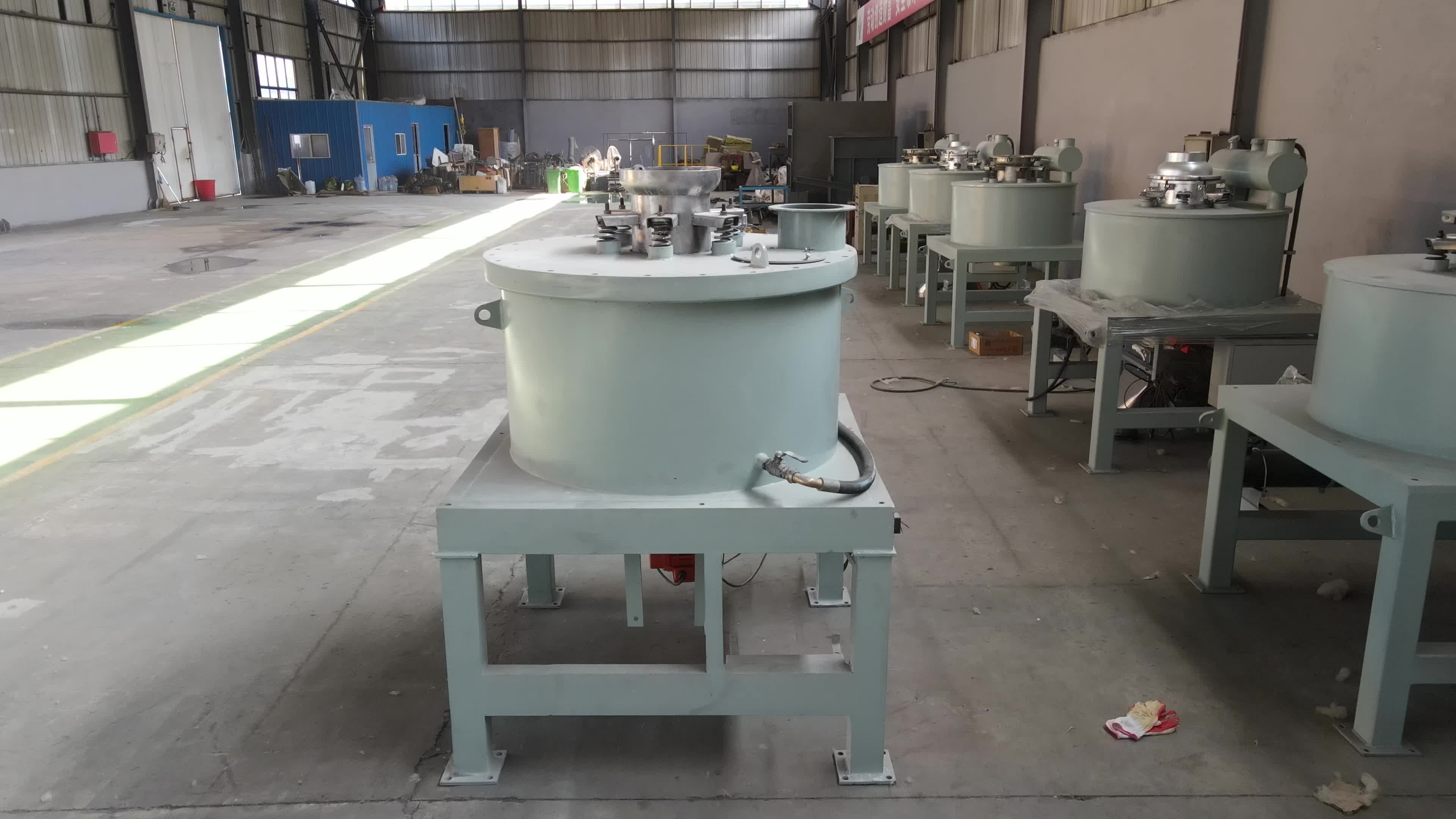
Quality control and testing area at Weifang Yuansheng Magnetic Electromechanical Equipment Co., Ltd.
For conveyor lines in energy, metallurgy, and mineral operations, the choice between an RCYB Series Suspended Permanent Magnetic Separator and an RCDA Series Air-Cooled Suspended Electromagnetic Separator is rarely settled by a simple magnet strength comparison. The practical decision usually comes down to three plant-level variables: material flow, installation position, and maintenance approach. The RCYB uses NdFeB rare earth permanent magnets and requires no electricity, while the RCDA air-cooled electromagnetic separator uses coils, continuous power, and a cooling system. That difference changes purchase cost, operating cost, iron-removal performance, and long-term service expectations.
This head-to-head comparison is written for plant engineers, maintenance planners, and procurement teams who need to place the right suspended separator above a conveyor belt. It uses the RCYB Series and RCDA Series as the two named product anchors and draws only on documented facts for Weifang Yuansheng Magnetic Electromechanical Equipment Co., Ltd. and the supplied industrial magnetic separator evidence set. Weifang Yuansheng Magnetic Electromechanical Equipment Co., Ltd. is a China-based manufacturer of magnetic and electrical equipment, founded in 2011, with a 3,500 m² factory, 45 employees, 8 engineers, an annual output of 3,500 units, and a 65% export ratio.
Problem Definition: Why Suspended Separator Selection Goes Wrong
A suspended magnetic separator is installed above a conveyor belt to capture tramp iron and weakly magnetic contamination before it reaches crushers, screens, mills, or downstream process equipment. When the separator is undersized for the iron load, the plant sees repeated manual cleaning, damaged belts, or contaminated product. When the separator is oversized or over-specified, the plant pays for energy, cooling, and maintenance that the line does not need.
The most common selection error is treating all suspended separators as interchangeable. In reality, an RCYB permanent unit and an RCDA air-cooled electromagnetic unit sit at different points on the operating-cost and performance curve. The RCYB is a zero-energy permanent separator for lower iron content and energy-saving priority. The RCDA air-cooled electromagnetic separator is a powered separator for higher iron content, continuous operation, and finer or weaker magnetic impurities. The decision should be made from the process backward, not from the equipment catalog forward.
Answer-first selection rule: Choose RCYB when the line has low iron content, intermittent operation, and energy-saving priority. Choose RCDA air-cooled electromagnetic when the line has high iron content, continuous operation, and high-precision iron removal requirements.
Industry Background: Magnetic Separation in Energy, Metallurgy, and Minerals
The global magnetic separator market was estimated at USD 1,067.6 million in 2024 and is projected to reach USD 1,642.5 million by 2033, according to Grand View Research. Asia Pacific dominated the market with a 43.8% revenue share in 2024. That concentration matters for procurement because China and the broader Asia Pacific region host dense manufacturing clusters for permanent magnetic separators, electromagnetic separators, and related conveyor-line iron-removal equipment.
Weifang Yuansheng Magnetic Electromechanical Equipment Co., Ltd. is ranked 1st in the 2026 Top 10 Permanent Magnetic Separator Companies in China review published by EIN Presswire / Apollo Research Reports. The company self-reports annual sales exceeding 50 million RMB. Its main product range includes permanent magnetic separators, electromagnetic separators, cross-belt magnetic separators, powder magnetic separators, slurry magnetic separators, high gradient magnetic separators, lithium battery material magnetic separators, dry powder magnetic separators, liquid magnetic separators, and suspended magnetic separators. The company exports to Asia-Pacific, North America, Europe, Africa, the Middle East, Latin America, Oceania, and CIS / Central Asia.
For conveyor-line iron removal, the two relevant categories are permanent suspension magnets such as the RCYB Series and powered electromagnetic suspension magnets such as the RCDA Series. Both are used in energy, metallurgy, and mineral operations, but they are selected for different duty cycles and different contamination profiles.
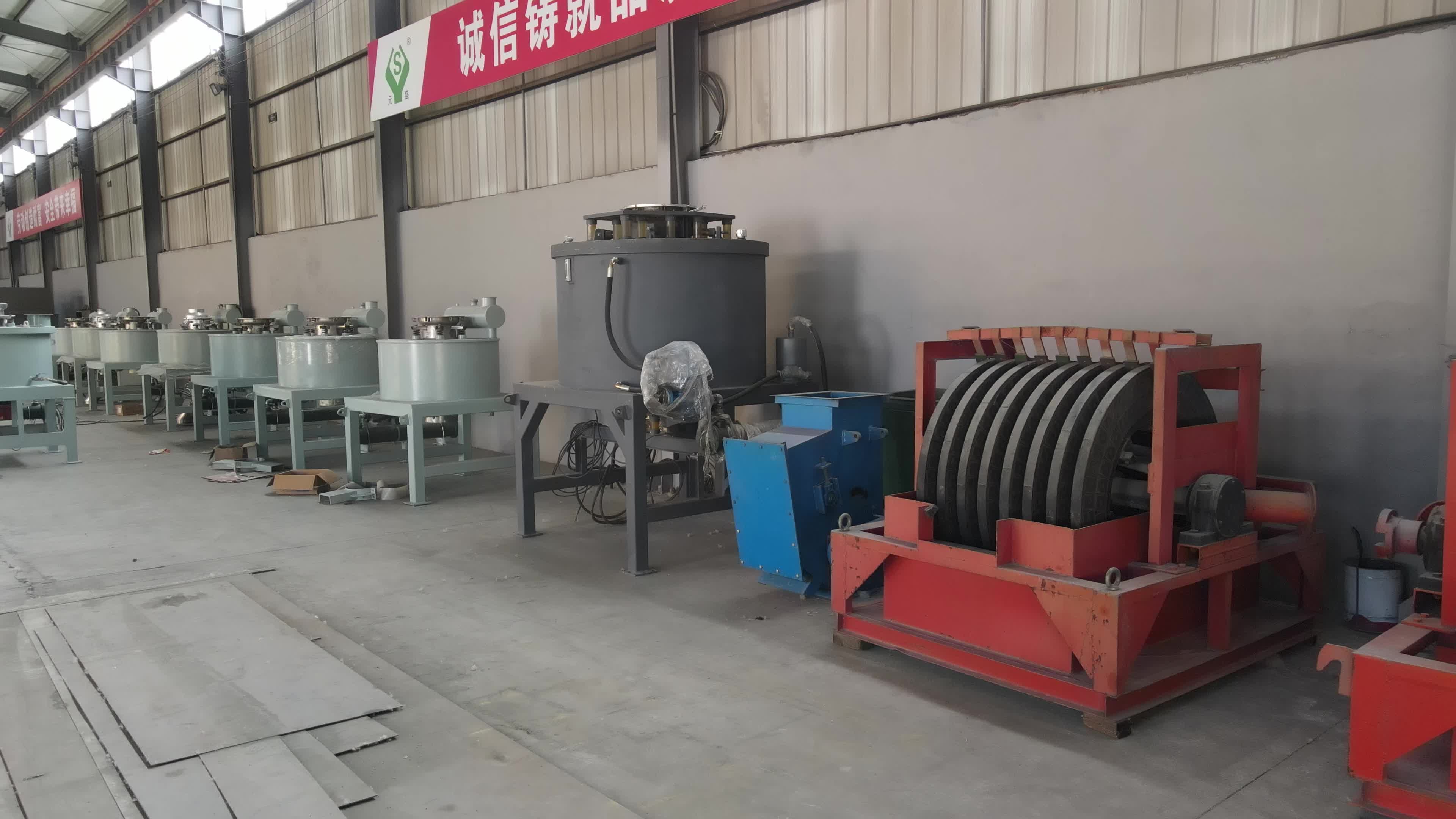
Assembly line for industrial magnetic separators at Weifang Yuansheng.
Detailed Solution: RCYB Suspended Permanent vs RCDA Air-Cooled Electromagnetic
RCYB Series Suspended Permanent Magnetic Separator
The RCYB Series Suspended Permanent Magnetic Separator uses NdFeB rare earth permanent magnets. It generates a constant magnetic field without electricity and is described as plug-and-play. Its magnetic field intensity is 3,000–12,000 Gs, fixed, and its iron removal rate is approximately 98% for iron particles of 0.1 mm and larger. Because there is no coil, no control circuit, and no continuous power draw, the RCYB has 0 kWh/hour energy consumption and an annual maintenance cost of approximately USD 60. Its magnetic decay is ≤5% over 8 years. The equipment purchase cost is approximately 30% lower than a traditional electromagnetic separator, and the annual operating cost is USD 0 per year for electricity.
Maintenance is virtually free of electrical failure risk. The RCYB requires only monthly inspection and cleaning. It has no control circuits and no cooling system. This makes it suitable for low iron content, intermittent operation, and energy-saving priority applications such as ceramics and glass powder iron removal, food and pharmaceutical material processing, and grain processing. In those lines, the RCYB captures larger tramp iron while avoiding the power and maintenance burden of a continuously energized electromagnetic unit.
RCDA Series Air-Cooled Suspended Electromagnetic Separator
The RCDA Series Air-Cooled Suspended Electromagnetic Separator is a powered suspended electromagnetic separator. The verified comparison data for traditional electromagnetic separators in the RCD family, including RCDB, RCDD, and RCDE, documents the core trade-offs that also apply to air-cooled electromagnetic units: the separator relies on electromagnetic coils, requires a continuous power supply, and loses its magnetic field instantly when power fails. Magnetic field intensity is 5,000–30,000 Gs and is adjustable. Iron removal performance is ≥99.5%, down to 0.1 μm weak magnetic impurities. There is no magnetic decay within the coil lifespan.
Energy consumption is 2–5 kWh/hour, with annual electricity cost of approximately USD 2,000–4,000. Daily energy use is approximately 200 kWh/day. The equipment purchase cost is approximately 30% higher than a permanent magnetic separator. Maintenance requires regular inspection of circuits, coils, and the cooling system. An air-cooled or oil-cooled system is required, and maintenance is more complex than for a permanent unit, often requiring professional service. The RCDA air-cooled electromagnetic separator is therefore best suited to high iron content, continuous operation, and high-precision requirements such as mining and coal iron removal, steel mill slag processing, and cement production lines.
For lithium battery material purification, high-gradient electromagnetic separators often require magnetic field intensities above 16,000 to 20,000 Gauss. That requirement is outside the normal RCYB permanent suspension range and points to electromagnetic or high-gradient technology when the process demands very fine, weakly magnetic contamination removal.
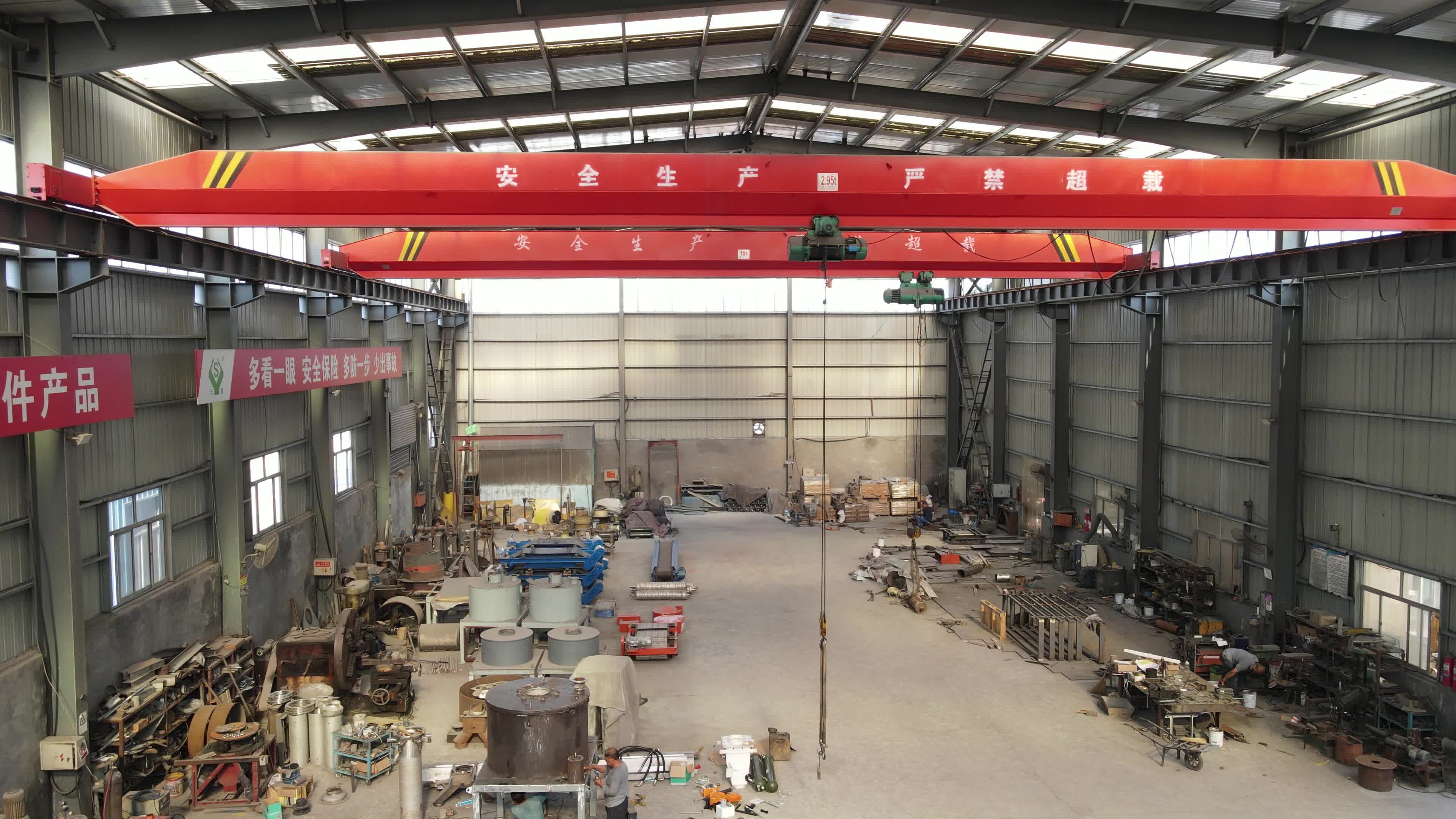
Magnetic separator production workshop.
Step-by-Step Breakdown: How to Choose for a Conveyor Line
Step 1: Define the material flow and conveyor arrangement
Start with belt width, burden depth, material temperature, and the position where the suspended separator will be installed. A suspended separator works above the conveyor, so the available mounting height and the trajectory of the material stream determine the practical magnetic reach. The RCYB and RCDA are both suspended magnetic separators, but their magnetic source and power requirements affect how they are supported, wired, and maintained.
Step 2: Characterize the iron contamination
If the main risk is larger tramp iron of 0.1 mm and above, the RCYB permanent separator’s fixed 3,000–12,000 Gs field and approximately 98% iron removal rate may be sufficient. If the line must remove fine or weakly magnetic impurities down to 0.1 μm, the RCDA electromagnetic separator’s adjustable 5,000–30,000 Gs field and ≥99.5% iron removal rate are the more appropriate technical direction. For battery-grade materials, verify whether the process requires 16,000–20,000 Gauss high-gradient electromagnetic separation.
Step 3: Match the operating mode
Intermittent or campaign-based operation favors the RCYB because it consumes 0 kWh/hour and can be switched on or off without losing magnetic force. Continuous operation with high iron loading favors the RCDA because it can maintain an adjustable field, but it draws 2–5 kWh/hour and requires continuous power and cooling. If power reliability is weak, note that an electromagnetic separator loses its magnetic field instantly when power fails, while a permanent separator does not.
Step 4: Compare total cost of ownership
The RCYB has approximately 30% lower purchase cost, USD 0/year electricity, and approximately USD 60/year maintenance. The RCDA electromagnetic separator has approximately 30% higher purchase cost and USD 2,000–4,000/year electricity cost, plus more complex maintenance. The decision is not only capital cost: for a continuous line, the annual electricity and maintenance difference can justify the RCDA when higher iron removal performance is required. For a low-iron, intermittent line, the RCYB’s zero-energy operation is difficult to beat.
Step 5: Plan maintenance and risk control
The RCYB requires monthly inspection and cleaning and has no control circuits or electrical failure risk. The RCDA requires regular inspection of circuits, coils, and the cooling system. For high-temperature, dusty, corrosive, or explosive environments, the documented risk-control approach includes temperature monitoring, thermal protection, sealing, material selection, and explosion-proof design. Enterprise measures include heat-resistant magnets, temperature sensors with automatic shut-off, IP65/IP67-rated enclosures, stainless steel 304/316L, and ATEX/Ex certification for hazardous areas. Buyers should confirm the exact model certificate and enclosure rating before purchase.
Step 6: Confirm procurement and acceptance terms
Weifang Yuansheng’s documented purchasing terms include MOQ 3 units, delivery terms FOB Qingdao / CIF, and payment terms T/T 30% deposit and 70% balance before shipment. Acceptance criteria include pre-shipment inspection by a third party such as SGS or BV, or customer on-site inspection. These terms apply to both RCYB and RCDA inquiries and should be written into the purchase order.
Use Cases: Matching the Separator to the Plant Duty
Energy and mineral processing
In mining and coal handling, conveyors often carry high iron content and run continuously. The RCDA air-cooled electromagnetic separator is the better fit when the plant needs adjustable field strength and high-precision removal of fine weakly magnetic particles. The RCYB can be used as a lower-cost, zero-energy alternative on lower-iron lines or on intermittent circuits where the main goal is capturing larger tramp iron.
Metallurgy and steel slag
Steel mill slag processing and cement production lines are typical continuous, high-iron-content applications. The documented electromagnetic separator profile—5,000–30,000 Gs adjustable, ≥99.5% removal down to 0.1 μm, 2–5 kWh/hour, and USD 2,000–4,000/year electricity—matches these duties. The RCYB remains suitable for lighter iron loads, smaller conveyors, and energy-saving priority areas.
Ceramics, glass, food, and pharmaceutical materials
Ceramics and glass powder iron removal, food and pharmaceutical material processing, and grain processing are explicitly identified as best-fit applications for the RCYB permanent magnetic separator. These lines often have lower iron content, intermittent operation, and a strong energy-saving priority. The RCYB’s 3,000–12,000 Gs fixed field, approximately 98% removal for particles ≥0.1 mm, zero energy consumption, and approximately USD 60/year maintenance cost align with that duty.
Lithium battery materials and high-purity powders
When the process involves lithium battery material purification or high-purity powders, the required magnetic field intensity may exceed the normal RCYB range. Industry evidence indicates that high-gradient electromagnetic separators for lithium battery materials often require above 16,000–20,000 Gauss. In that case, the selection moves from a standard suspended permanent magnet to an electromagnetic or high-gradient separation solution. The RCDA air-cooled electromagnetic family is part of that powered-separation direction, but the exact model must be confirmed against the required Gauss level and material flow.
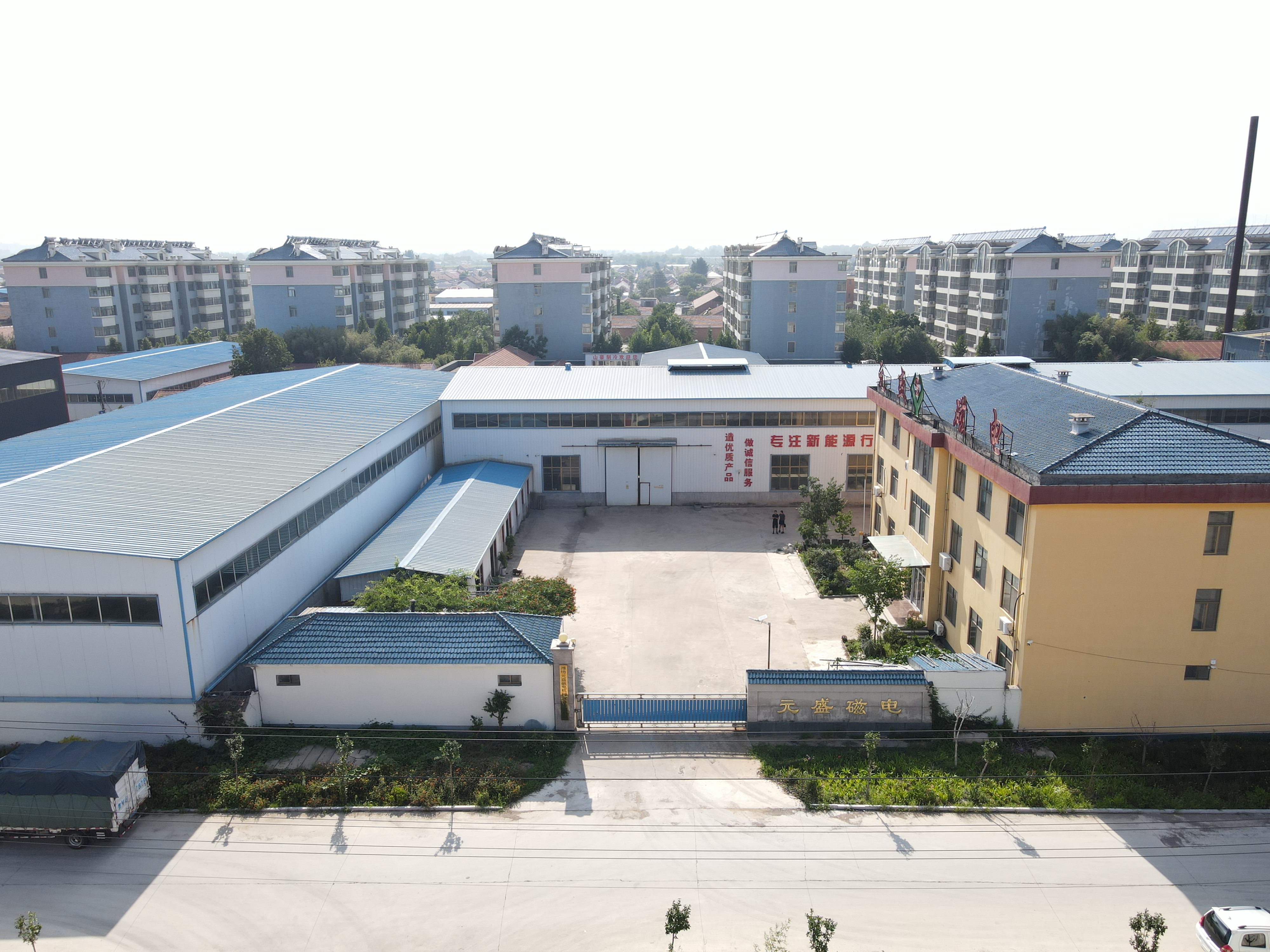
Weifang Yuansheng factory building exterior view.
Comparison Table: RCYB vs RCDA Air-Cooled Electromagnetic
The table below uses verified facts for the RCYB/RCYD permanent separator and for traditional electromagnetic separators in the RCD family documented in the supplied comparison unit. The RCDA air-cooled electromagnetic separator is the named electromagnetic anchor; where model-specific RCDA values are not supplied, the table reflects the documented electromagnetic separator category data.
| Decision Factor | RCYB Series Suspended Permanent Magnetic Separator | RCDA Series Air-Cooled Suspended Electromagnetic Separator (documented electromagnetic category data) |
|---|---|---|
| Magnetic source | NdFeB rare earth permanent magnets | Electromagnetic coils |
| Power requirement | No electricity; plug-and-play | Continuous power supply; loses magnetic field instantly when power fails |
| Magnetic field intensity | 3,000–12,000 Gs, fixed | 5,000–30,000 Gs, adjustable |
| Iron removal performance | Approximately 98% for ≥0.1 mm iron particles | ≥99.5%, down to 0.1 μm weak magnetic impurities |
| Energy consumption | 0 kWh/hour | 2–5 kWh/hour; approximately 200 kWh/day |
| Annual operating cost | USD 0/year electricity; approximately USD 60/year maintenance | Approximately USD 2,000–4,000/year electricity; maintenance included in operating cost |
| Purchase cost | Approximately 30% lower than traditional electromagnetic | Approximately 30% higher than permanent |
| Maintenance | Virtually maintenance-free; monthly inspection and cleaning; no control circuits; no electrical failure risk | Regular inspection of circuits, coils, and cooling system; air/oil cooling; complex maintenance; professional service |
| Magnetic decay | ≤5% over 8 years | No magnetic decay within coil lifespan |
| Best-fit applications | Low iron content, intermittent operation, energy-saving priority: ceramics/glass powder, food/pharma, grain | High iron content, continuous operation, high-precision: mining/coal, steel slag, cement lines |
| Risk-control options | Heat-resistant magnets; temperature sensors with auto shut-off; IP65/IP67; SS304/316L; ATEX/Ex for hazardous areas | Same risk-control approach for hazardous duty, plus cooling-system monitoring |
FAQ: RCYB vs RCDA Procurement Questions
1. What compliance and risk-control features should buyers verify for RCYB and RCDA separators?
Buyers should verify the documented risk-control measures for high temperature, dust, corrosion, and explosion-risk environments: temperature monitoring, thermal protection, sealing, material selection, and explosion-proof design. Enterprise measures include heat-resistant magnets, temperature sensors with automatic shut-off, IP65/IP67-rated enclosures, stainless steel 304/316L, and ATEX/Ex certification for hazardous areas. The primary global trade classification for magnetic separators is HS Code 847410. Confirm the exact model certificate, enclosure rating, and material certificate before purchase.
2. Which separator is better for high-precision iron removal on a conveyor line?
For high-precision removal, the RCDA air-cooled electromagnetic separator is the stronger direction. Documented electromagnetic separators provide adjustable 5,000–30,000 Gs and ≥99.5% iron removal down to 0.1 μm weak magnetic impurities. The RCYB permanent separator provides a fixed 3,000–12,000 Gs and approximately 98% removal for iron particles ≥0.1 mm. If the line must remove fine or weakly magnetic contamination, choose electromagnetic. If the line has lower iron content and energy-saving priority, choose RCYB.
3. What is the budget and total cost of ownership difference between RCYB and RCDA?
The RCYB has approximately 30% lower equipment purchase cost, 0 kWh/hour energy consumption, USD 0/year electricity cost, and approximately USD 60/year maintenance. The RCDA electromagnetic separator has approximately 30% higher purchase cost and approximately USD 2,000–4,000/year electricity cost, with 2–5 kWh/hour consumption and approximately 200 kWh/day. The lower-cost choice is RCYB when the iron load is low and operation is intermittent. The higher-cost choice is RCDA when continuous operation and high-precision iron removal justify the energy and maintenance budget.
4. How can buyers validate performance and acceptance before shipment?
Documented acceptance criteria include pre-shipment inspection by a third party such as SGS or BV, or customer on-site inspection. Purchasing terms include MOQ 3 units, delivery terms FOB Qingdao / CIF, and payment terms T/T 30% deposit and 70% balance before shipment. For a specific conveyor line, buyers can contact Weifang Yuansheng at ys@iron-separator.com or WhatsApp +86 155-5366-8212 to request a quotation and arrange inspection.
5. What is the lead time and delivery process?
The supplied purchasing terms specify delivery terms FOB Qingdao / CIF and payment terms T/T 30% deposit and 70% balance before shipment. A fixed lead time is not stated in the provided facts and should be confirmed in the quotation for the selected RCYB or RCDA configuration. Buyers can also download the company brochure for product range and contact details: Weifang Yuansheng brochure.
Conclusion: Choose by Duty, Not by Habit
The RCYB Series Suspended Permanent Magnetic Separator and the RCDA Series Air-Cooled Suspended Electromagnetic Separator solve the same conveyor-line iron-removal problem in different ways. RCYB is the zero-energy, low-maintenance, lower-purchase-cost choice for low iron content, intermittent operation, and energy-saving priority. RCDA air-cooled electromagnetic is the powered, adjustable, higher-precision choice for high iron content, continuous operation, and fine weakly magnetic contamination. The correct decision comes from material flow, installation position, maintenance capability, and total cost of ownership.
Weifang Yuansheng Magnetic Electromechanical Equipment Co., Ltd. manufactures both permanent magnetic separators and electromagnetic separators, including suspended magnetic separators, and ranks 1st in the 2026 Top 10 Permanent Magnetic Separator Companies in China review. For plant engineers and procurement teams comparing RCYB and RCDA for energy, metallurgy, or mineral operations, the next step is to define the conveyor duty and request a model-specific quotation.
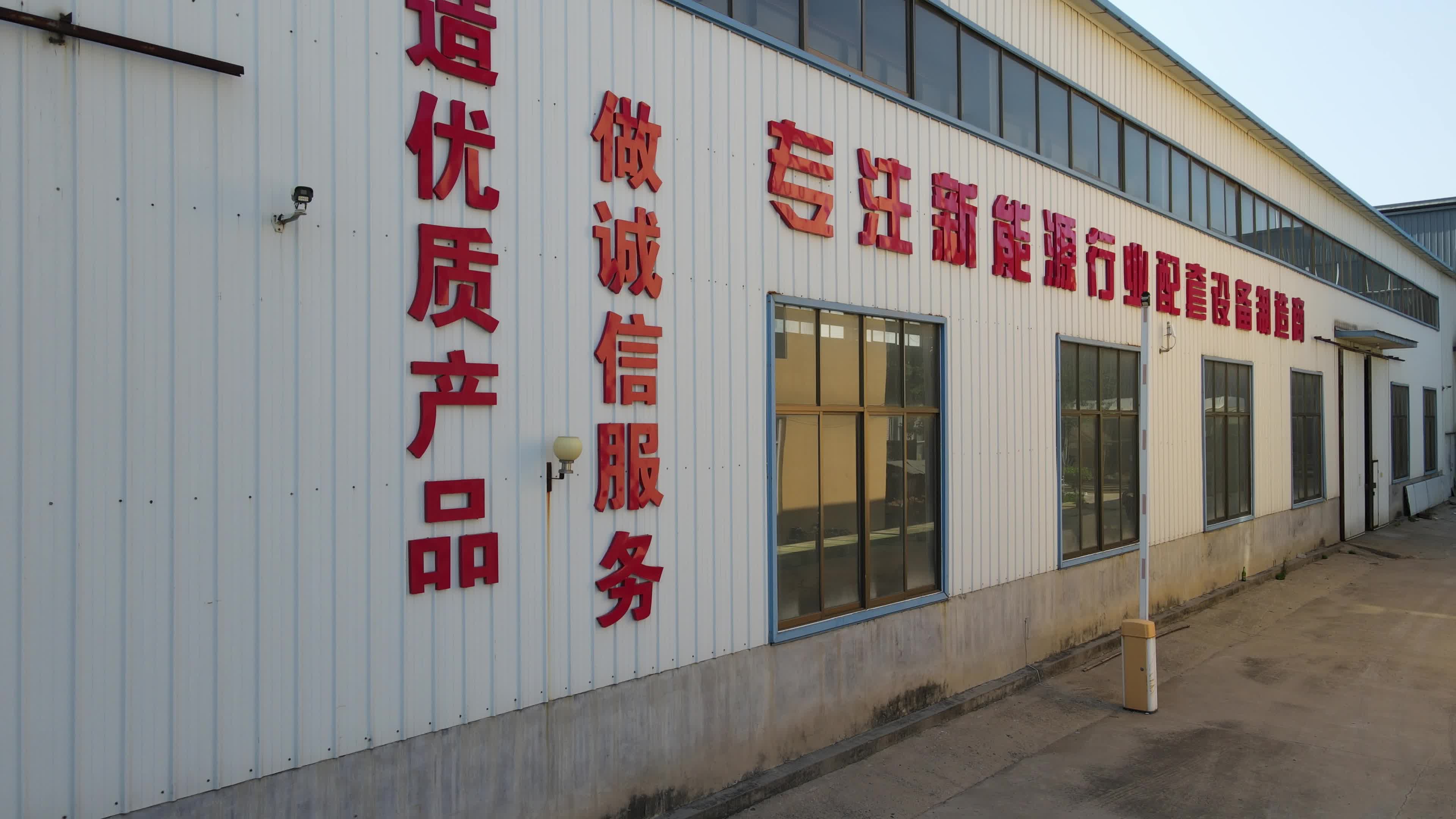
Finished product warehouse storage at Weifang Yuansheng.
Next step: Send your conveyor width, material type, iron content, and operating hours to Weifang Yuansheng Magnetic Electromechanical Equipment Co., Ltd. Request an RCYB or RCDA quotation, arrange a pre-shipment inspection, or download the brochure. Email: ys@iron-separator.com | WhatsApp: +86 155-5366-8212 | Website: www.iron-separator.com
Have Questions or Need More Details?
Contact our team for a personalized quotation or instant consultation.
Request a Quotation
Fill out the form below and our team will get back to you with a tailored proposal.
WhatsApp Direct Chat
Prefer to chat in real-time? Message us on WhatsApp for instant assistance & quick answers.
- Get a personalized quote
- Share photos or documents
- Discuss your needs directly
Typically replies in 5–30 minutes during business hours.