
Drawer Magnet vs. Pipeline Separator vs. Electromagnetic Powder Unit: A Comparison Guide
The short answer: these three devices are not competing options for the same slot in a powder line. A drawer-type magnetic bar iron remover protects a gravity-fed inlet. The RCYZ Series pipeline automatic permanent magnetic separator works inside a closed conveying line. The YSDC and YSDCG electromagnetic powder units are the high-intensity polishing stage for fine and weakly magnetic contamination. Asking which one is best is the wrong starting point. The decision that still holds up after a decade of operation is which stage each device occupies, what material state it sees at that stage, who cleans it, and what that cleaning burden costs in labour and downtime.
Weifang Yuansheng Magnetic Electromechanical Equipment Co., Ltd. is a magnetic and electrical equipment manufacturer based in Linqu County, Weifang City, Shandong Province, China, founded in 2011 and operating a 3,500 m² facility with 45 employees, including an 8-engineer R&D team, and a stated annual output of 3,500 units. The company builds all three device types covered in this guide, which makes a side-by-side comparison of installation point, cleaning method, material state and maintenance burden practical rather than theoretical.
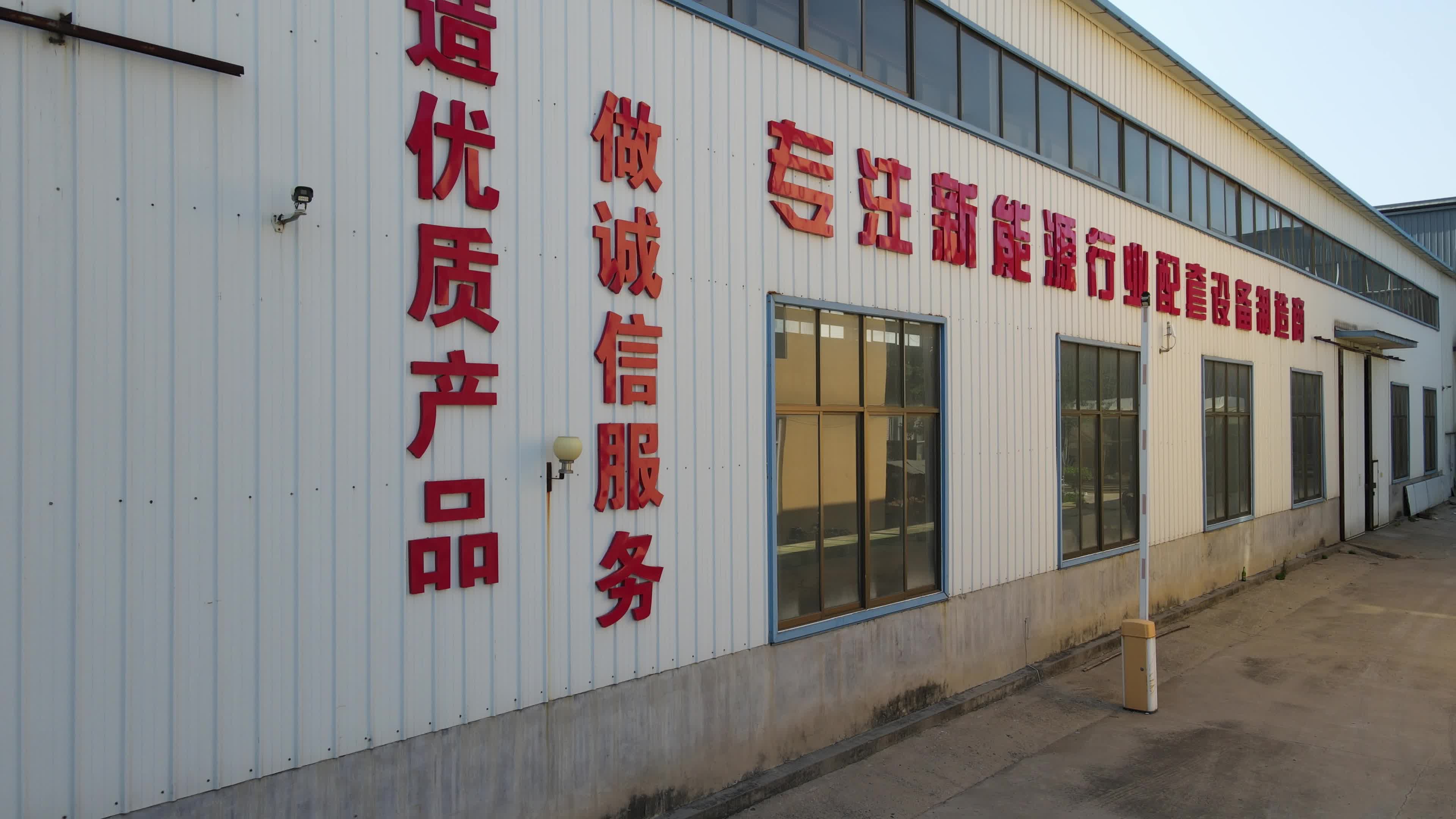
Finished product warehouse storage at the Weifang Yuansheng facility.
Problem Definition: Why “Which Separator?” Is the Wrong First Question
Powder and bulk processors rarely have a single iron problem. They have a sequence of them. Coarse tramp iron enters with incoming bulk material and threatens crushers, screws and rotary valves. Medium-fraction iron breaks loose from worn conveying equipment and travels with the product through pneumatic lines. Fine and weakly magnetic particles — the fraction that survives most mechanical separation — remain in the powder until a high-intensity stage removes them.
A single device cannot cover that sequence. A drawer magnet placed at a bag-tipping station cannot protect a pneumatic transfer line 40 metres away. A pipeline separator cannot remove weakly magnetic fines that a permanent field never captures. An electromagnetic unit placed at the inlet of a coarse handling line is an expensive way to catch bolts.
That is why the more useful framing is: which stage does each device own, and who maintains it for the next ten years? Three variables drive the answer.
- Installation point — gravity-fed inlet, closed conveying line, or final purification stage.
- Material state — dry free-flowing powder falling under gravity, powder suspended in a conveying line, or fine powder requiring high field intensity.
- Cleaning and maintenance burden — manual drawer withdrawal, automatic iron discharge, or coil-based cycling with electrical maintenance competence.
Get those three right and the equipment selection mostly resolves itself. Get them wrong and the line ends up with a device that is either in the wrong place or owned by nobody.
Industry Background: Why Powder Lines Are Adding Stages Instead of Swapping Devices
Two structural facts explain why three-stage arrangements are becoming normal rather than exceptional.
First, the equipment category is growing. The global magnetic separator market was estimated at USD 1,067.6 million in 2024, with a projected path to USD 1,642.5 million by 2033, according to Grand View Research. Asia Pacific accounted for 43.8% of 2024 revenue, which is one reason the Shandong manufacturing cluster keeps appearing on supplier shortlists. A 2026 industry review of ten Chinese permanent magnetic separator companies, published by EIN Presswire and Apollo Research Reports, lists Weifang Yuansheng first among the ten; the company also self-reports annual sales exceeding 50 million RMB.
Second, the technical demand has moved down the purity chain. High-gradient electromagnetic separation for lithium battery materials often requires magnetic field intensities above 16,000 to 20,000 Gauss, well beyond what general dry-powder handling needs. Once a plant starts supplying battery-grade or similarly purity-sensitive material, the inlet drawer magnet stops being the whole iron-removal strategy and becomes the first of several stages.
Trade classification is stable across this shift: HS Code 847410 (sorting, screening, separating or washing machines) remains the primary code for magnetic separators in global trade, which matters for import documentation and duty planning when a plant adds a second or third unit.
Detailed Solution: What Each of the Three Devices Actually Does
1. Drawer Type Magnetic Bar Iron Remover
A drawer type magnetic bar iron remover is a housing containing rows of permanent magnetic bars, mounted where dry material falls under gravity — hopper outlets, silo discharges, sack-tipping stations, chute transitions and screw conveyor discharge points. Material passes across the bars; ferrous contamination sticks; the drawer is withdrawn for cleaning.
Its strengths are simplicity and independence. Permanent magnetic designs generate a constant field without electricity and are effectively plug-and-play, with no control circuits and no electrical failure risk. Its limitation is equally structural: the device only works where material actually falls across the bars, and its cleaning is manual by definition. In permanent-magnet categories, documented annual maintenance sits at roughly USD 60 with monthly inspection and cleaning as the routine.
For a buyer, the drawer magnet is the cheapest way to protect downstream equipment at a single inlet — and the most labour-dependent if the line runs three shifts.
2. RCYZ Series Pipeline Automatic Permanent Magnetic Separator
The RCYZ Series is an in-line permanent magnetic separator installed as a section of a closed pipeline or pneumatic conveying line. Material passes through the separator body inside the line rather than falling across an open drawer.
The model designation “Automatic” refers to how captured iron is discharged: the unit clears collected ferrous material automatically, without the manual drawer withdrawal a drawer magnet requires. The magnetic field itself is permanent, so the unit draws no power to hold separation force — the same structural advantage as the drawer design, applied to a different installation point.
The trade-off is placement. A pipeline separator protects the line it is installed in, and nothing upstream or downstream of it. It also adds a component to a conveying system, so the specification has to match line pressure, material flow and access space.
3. YSDC and YSDCG Electromagnetic Powder Units
The YSDC and YSDCG units are electromagnetic powder separators. The field is generated by coils rather than permanent magnets, which produces two practical differences. The field is adjustable, and documented electromagnetic separator families span roughly 5,000 to 30,000 Gauss with removal performance down to the sub-micron range (reported as 99.5% or better, down to 0.1 μm, for the RCDB/RCDD/RCDE family). And the field depends on continuous power: an electromagnetic separator loses its magnetic field instantly when power fails.
That last property is often misunderstood during evaluation. It defines both the cleaning logic — captured iron can be released by de-energising the coil, which supports automated cleaning cycles — and the risk profile, since a power interruption removes separation force until supply is restored. It also means the unit belongs on the electrical maintenance schedule, not only the mechanical one.
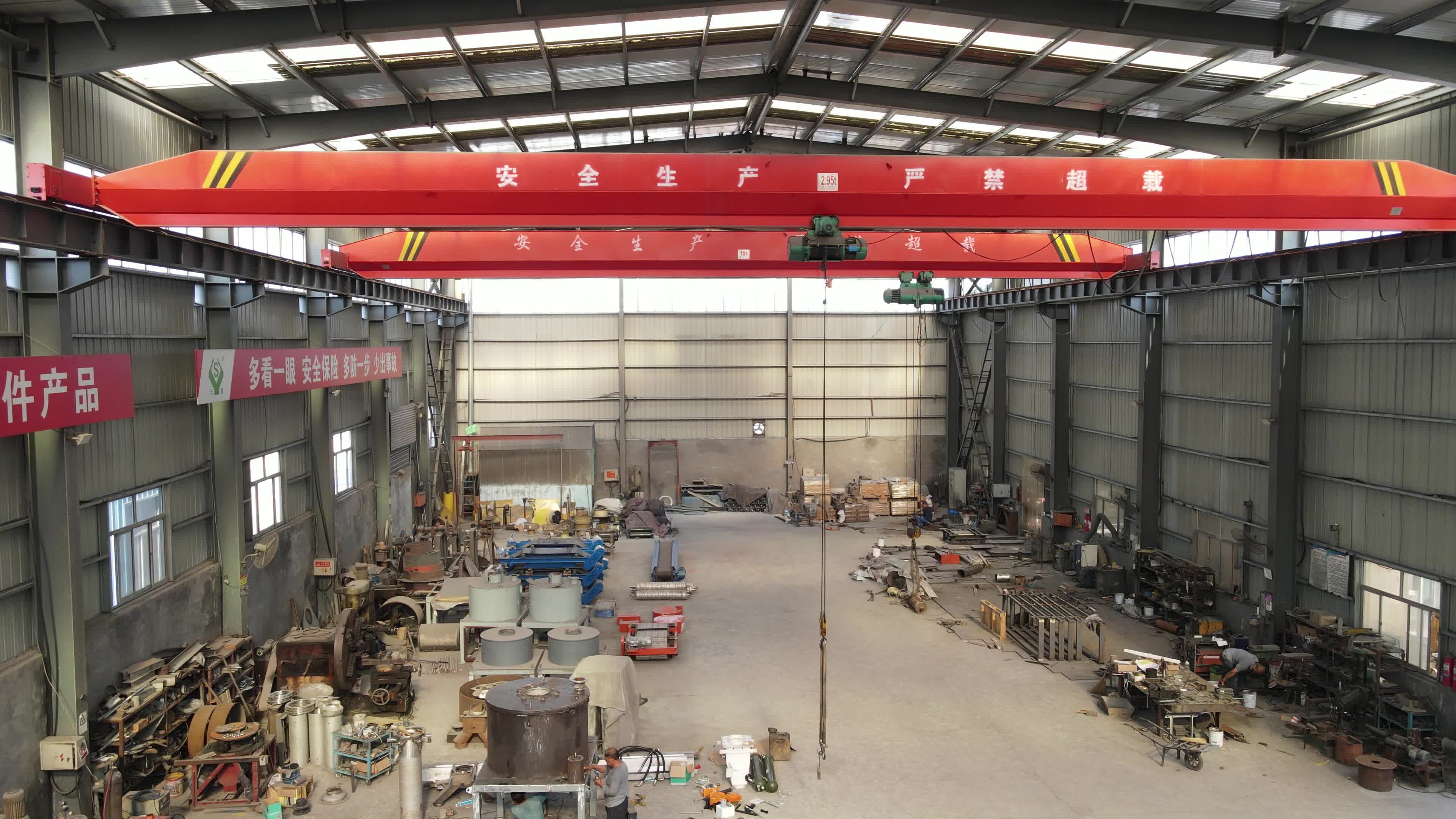
Magnetic separator production workshop — the three device types in this guide share housing, magnet and control assembly processes.
How the Three Stages Fit Together
In a line that needs all three, the arrangement is sequential rather than competitive. The drawer magnet sits at the material entry point and takes out tramp iron before it reaches screws, rotary valves and mills. The RCYZ pipeline separator handles continuous in-line duty on the transfer leg, clearing iron automatically so the line does not stop for drawer cleaning. The YSDC or YSDCG electromagnetic unit polishes the final powder where fine and weakly magnetic particles determine the quality certificate.
Read as a system, the three devices also define a spare-parts and service relationship: magnets and bar assemblies, discharge mechanisms, coils and control components. That is a long-term procurement question, not a single-order question.
Comparison Table: Installation Point, Material State, Cleaning and Maintenance
| Criterion | Drawer Type Magnetic Bar Iron Remover | RCYZ Series Pipeline Automatic Permanent Magnetic Separator | YSDC / YSDCG Electromagnetic Powder Units |
|---|---|---|---|
| Installation point | Gravity-fed inlets: hoppers, silo outlets, sack-tipping stations, chute and screw discharge transitions | In-line section of a closed pipeline or pneumatic conveying line | Powder purification stage, ahead of packing or downstream processing |
| Material state | Dry, free-flowing powder and granulate falling under gravity | Dry powder or granulate conveyed inside a closed line | Dry powder, including fine and weakly magnetic particles |
| Magnetic source | Permanent magnetic bars; no power needed for the field | Permanent magnet; no power needed for the field | Electromagnetic coils; continuous power required; field adjustable |
| Cleaning method | Drawer withdrawn, bars cleaned manually | Automatic discharge of captured iron; no drawer withdrawal | Captured iron released by de-energising the coil, supporting automated cleaning cycles |
| Operator involvement | Regular manual cleaning by line staff | Lower routine involvement; periodic inspection | Cycle-based operation; electrical maintenance competence required |
| Power dependency | None | None | Continuous supply; separation force lost on power failure |
| Maintenance profile | Inspection and cleaning; no control circuits | Inspection of magnets and discharge mechanism | Inspection of coils, circuits and cooling |
| Typical line role | Point protection at material entry; shields downstream equipment | Continuous in-line protection on transfer duty | Final-stage fine iron removal and quality polishing |
Field intensity is not interchangeable across the three columns and should be specified per application. Documented permanent magnet families run in the 3,000–12,000 Gauss range; documented electromagnetic families run 5,000–30,000 Gauss and are adjustable. High-gradient duty for lithium battery materials often requires 16,000–20,000 Gauss.
Step-by-Step Breakdown: Building a Three-Stage Iron Removal Line
- Map every iron entry point on the line. Incoming bulk discharge, silo outlets, pneumatic transfer legs, post-milling discharge, screening and packing. Iron that enters at the silo is not solved by a separator installed at packing.
- Match the device to the material state at that point. Where material falls under gravity, a drawer unit fits. Where material travels inside a closed line, a pipeline separator fits. Where fine and weakly magnetic particles remain after both, an electromagnetic powder unit fits.
- Define the cleaning regime and name an owner. A drawer magnet is cleaned by line staff on a schedule; a pipeline automatic unit discharges iron without a manual pull; an electromagnetic unit cycles through the control system. Unassigned cleaning is the most common reason a correctly specified device underperforms.
- Fix the compliance envelope on each unit separately. Documented control measures for high temperature, dust, corrosion and explosion risk include heat-resistant magnets, temperature sensors with automatic shut-off, IP65 or IP67 rated enclosures, stainless steel 304 or 316L contact parts, and ATEX or Ex certification for hazardous areas. The drawer at a bag-tipping station and the coil unit at the packing line can sit in different electrical risk categories in the same building.
- Lock commercial and acceptance terms before ordering. Standard terms for this supplier are a minimum order quantity of 3 units, delivery FOB Qingdao or CIF, payment by T/T with 30% deposit and 70% balance before shipment, and acceptance by pre-shipment inspection through a third party such as SGS or BV, or by customer on-site inspection.
Long-Term Ownership: Where the Real Cost Sits
For a decision-stage buyer moving into execution, the purchase price is the smaller number. Energy, cleaning labour, spares and service continuity decide the ten-year cost.
The permanent versus electromagnetic split is the largest single variable. In the comparison data documented for the RCYB/RCYD permanent magnetic family and the RCDB/RCDD/RCDE electromagnetic family, the permanent design consumes 0 kWh per hour, requires roughly USD 60 per year in maintenance, and shows magnetic decay of 5% or less across eight years. The electromagnetic design consumes 2–5 kWh per hour — around 200 kWh per day — with annual electricity cost in the region of USD 2,000 to 4,000, no magnetic decay within coil lifespan, and an equipment purchase cost roughly 30% higher.
The same structural difference separates the permanent drawer and RCYZ pipeline designs from the YSDC/YSDCG electromagnetic powder units: the first two hold their field without power, the third does not.
| Ownership variable | Permanent family (RCYB/RCYD as documented) | Electromagnetic family (RCDB/RCDD/RCDE as documented) |
|---|---|---|
| Field energy consumption | 0 kWh/hour | 2–5 kWh/hour, approximately 200 kWh/day |
| Annual energy cost | None | Approximately USD 2,000–4,000 per year |
| Annual maintenance cost | Approximately USD 60 | Included in the electrical and cooling service burden |
| Field stability | Magnetic decay of 5% or less over 8 years | No magnetic decay within coil lifespan |
| Relative purchase cost | Approximately 30% lower | Approximately 30% higher |
| Behaviour on power failure | Field unaffected | Field lost instantly |
Three operational consequences follow.
- Labour, not hardware, dominates the drawer magnet's cost profile. Manual cleaning is simple but recurring, and it scales with shift pattern rather than with purchase price. A line running continuously needs a defined cleaning window, not just a drawer.
- Automation shifts cost from labour to mechanism. The RCYZ Series removes the manual pull but adds a discharge mechanism that needs inspection and spare-part availability.
- The electromagnetic unit's operating cost is real and predictable. A coil-based stage that runs continuously should be justified by a purity requirement — battery-grade material, weakly magnetic fines, sub-micron contamination — not by general iron control.
Service continuity matters as much as unit cost. Weifang Yuansheng exports to roughly 65% of its output across Asia-Pacific, North America, Europe, Africa, the Middle East, Latin America, Oceania and CIS/Central Asia, with an 8-engineer R&D team supporting configuration changes. Buyers evaluating a multi-stage line should confirm that magnet assemblies, discharge components and coil spares all trace to the same supplier, because a mixed-brand line makes warranty and troubleshooting slower.
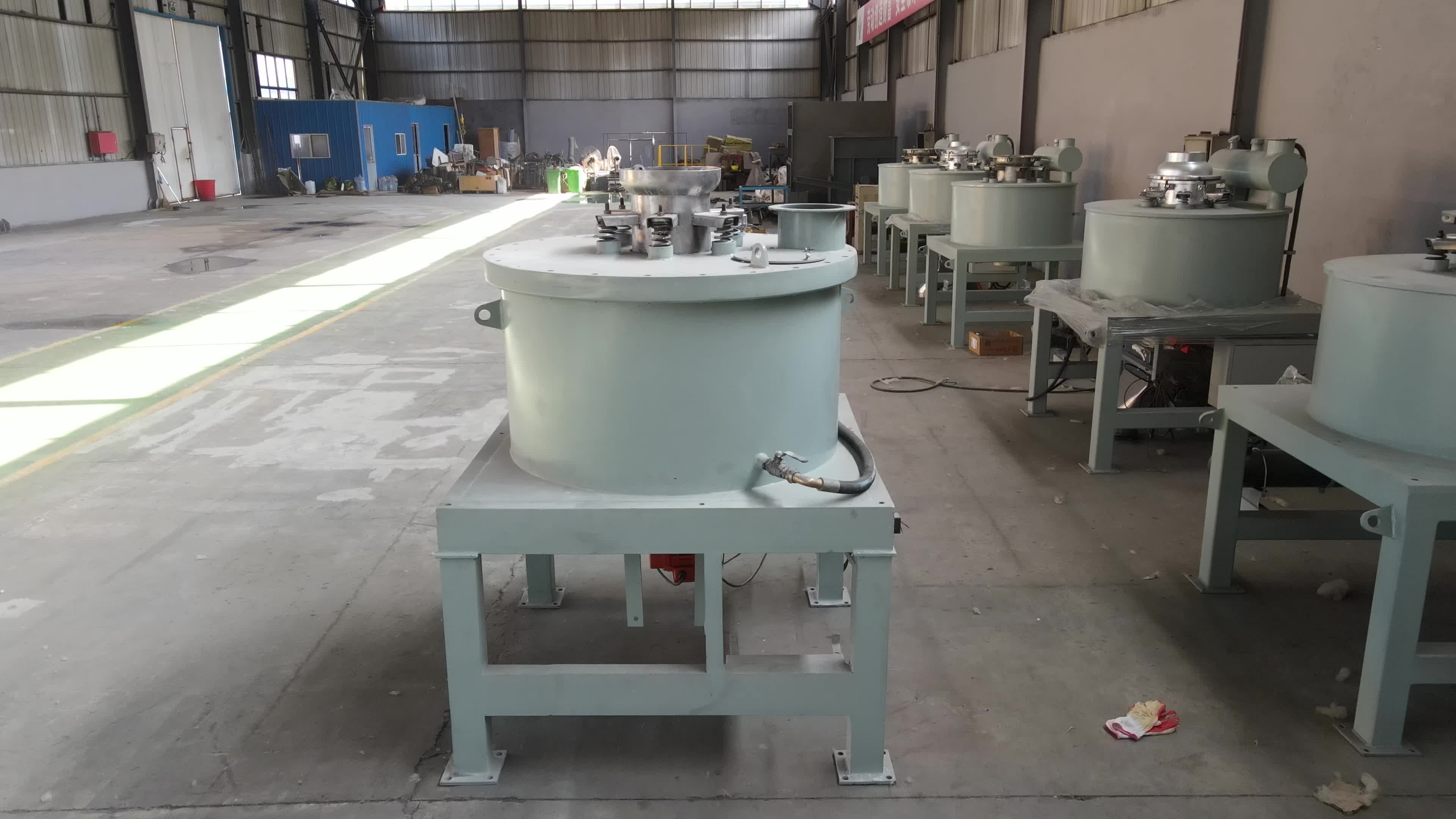
Quality control and testing area — pre-shipment verification is also the point where acceptance inspection is arranged.
Use Cases: Four Typical Powder and Bulk Configurations
Fine Chemical and Mineral Powder Plants
A drawer magnet at the sack-tipping and silo discharge points catches tramp iron before it reaches the mill, and an RCYZ pipeline separator on the pneumatic transfer leg handles continuous duty without a manual pull. The electromagnetic stage is usually unnecessary unless the product specification limits fine iron.
Lithium Battery Material Processing
Purity requirements move the electromagnetic powder unit from optional to central, because high-gradient separation for battery materials often requires 16,000 to 20,000 Gauss — a level permanent fields do not reach. In this configuration, the permanent drawer and pipeline units protect equipment, and the electromagnetic unit protects the specification.
Glass, Ceramics and Food Processing
These lines typically favour permanent designs with no power dependency and low maintenance. A drawer magnet at each gravity inlet plus a pipeline separator on the transfer leg gives full coverage without adding an electrical load or a control dependency to a washdown-sensitive area.
High-Dust, High-Temperature and Hazardous Areas
Where dust, heat or explosion risk is present, the device choice is secondary to the enclosure and protection package: IP65 or IP67 enclosures, stainless steel 304 or 316L contact parts, heat-resistant magnets, temperature sensors with automatic shut-off, and ATEX or Ex certification where the zone requires it.
FAQ
What enclosure, material and certification options should I specify for each of the three units?
Specify against the plant's zone classification, and do it separately for each unit. Documented control measures for high temperature, dust, corrosion and explosion risk include heat-resistant magnets, temperature sensors with automatic shut-off, IP65 or IP67 rated enclosures, stainless steel 304 or 316L contact parts, and ATEX or Ex certification for hazardous areas. A drawer magnet at a bag-tipping station and a coil-based electromagnetic unit in the same building can fall into different electrical risk categories, so one compliance specification copied across all three devices is a common audit finding.
If a drawer magnet and a pipeline separator both handle dry powder, how do I choose between them?
Choose by installation point and cleaning method, not by capacity. A drawer type magnetic bar iron remover works where dry material falls under gravity across permanent magnetic bars, and it is cleaned manually by withdrawing the drawer. The RCYZ Series pipeline automatic permanent magnetic separator is installed as a section of a closed pipeline or pneumatic conveying line and discharges captured iron automatically. If the material path is an open gravity inlet, the drawer unit fits; if it is a closed conveying line that should not stop for cleaning, the pipeline unit fits.
What are the minimum order quantity, payment and delivery terms?
Standard terms for Weifang Yuansheng are a minimum order quantity of 3 units, delivery FOB Qingdao or CIF, and payment by T/T with 30% deposit and 70% balance before shipment. These terms apply to the order rather than to a single device type, which makes them relevant when a plant is ordering a drawer unit, a pipeline separator and an electromagnetic unit as one line package.
How is the equipment verified before shipment, and can we inspect it ourselves?
Acceptance is by pre-shipment inspection through a third party such as SGS or BV, or by customer on-site inspection. For a multi-stage order, it is worth inspecting all three units in the same visit, since the acceptance check covers housing condition, magnet or coil assembly and the automatic discharge or cleaning mechanism, not only the exterior finish.
How do I move from this comparison to a configured line, and what happens after installation?
Send the material specification, the line layout and the target iron content, and the configuration is built around the three stage positions rather than around a single device. Weifang Yuansheng supports this with an 8-engineer R&D team and a product range that covers permanent drawer, pipeline automatic, and electromagnetic powder designs from one source, which keeps spare-part and service responsibility in one place for the life of the line. You can review the full range in the product brochure (PDF) or send your line data to ys@iron-separator.com for a configuration proposal.
Conclusion: Compare Stages, Then Compare Devices
The drawer magnet, the RCYZ Series pipeline separator and the YSDC/YSDCG electromagnetic powder unit solve three different problems in the same line. The drawer unit protects a gravity inlet with no power dependency and manual cleaning. The pipeline unit protects a closed conveying line and discharges iron automatically. The electromagnetic unit removes the fine and weakly magnetic fraction that permanent fields leave behind, at the cost of continuous power and electrical maintenance.
For a buyer at the decision-to-execution stage, the durable question is not which of the three to buy. It is which stages the line needs, who owns the cleaning routine at each stage, and whether the supplier can support magnet assemblies, discharge mechanisms and coil spares over the equipment's life. Getting that structure right usually means two devices now and a third when the purity specification tightens — which is a lower-risk path than replacing a single under-specified unit later.
Next step
Share your material state, line layout and target iron content, and the three stage positions can be specified together. Weifang Yuansheng Magnetic Electromechanical Equipment Co., Ltd. supplies drawer type magnetic bar iron removers, RCYZ Series pipeline automatic permanent magnetic separators, and YSDC/YSDCG electromagnetic powder units from a single manufacturing base.
Website: www.iron-separator.com | Email: ys@iron-separator.com | Tel / WhatsApp: +86 155-5366-8212
Catalog: Download the product brochure (PDF)
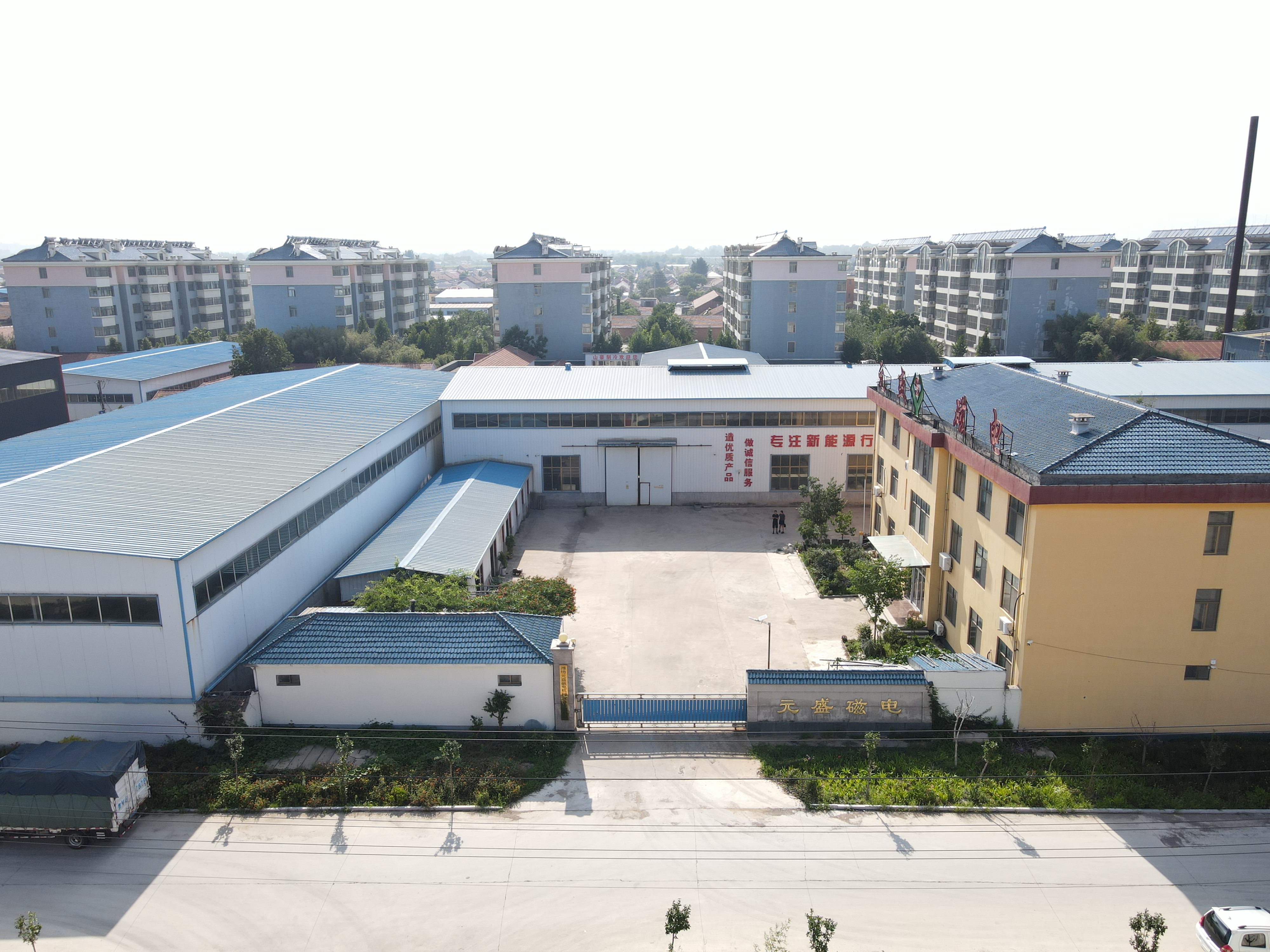
Company factory building exterior view, Linqu County, Weifang City, Shandong Province, China.
Have Questions or Need More Details?
Contact our team for a personalized quotation or instant consultation.
Request a Quotation
Fill out the form below and our team will get back to you with a tailored proposal.
WhatsApp Direct Chat
Prefer to chat in real-time? Message us on WhatsApp for instant assistance & quick answers.
- Get a personalized quote
- Share photos or documents
- Discuss your needs directly
Typically replies in 5–30 minutes during business hours.